 StadiumDB
Italy: Lecco invests in the stadium and extends agreement. Dispute over funding for modernization
source: StadiumDB.com ; author: Paulina Skóra
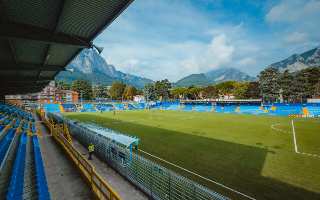 Italian side Lecco continues its efforts to develop sports infrastructure. At the center of attention is the Stadio Rigamonti-Ceppi, whose modernization is gaining momentum. One of the key elements of the investment is the completion and launch of a new electrical substation, which has replaced an outdated diesel generator.
Advertisement
Modernization of Stadio Rigamonti–Ceppi with support from the city
It was precisely the issue of the stadium’s power supply that, in 2025, became a source of tension between city authorities and the Calcio Lecco club. Today, however, both sides are clearly moving closer in their positions, and recent decisions indicate a rebuilding of cooperation.
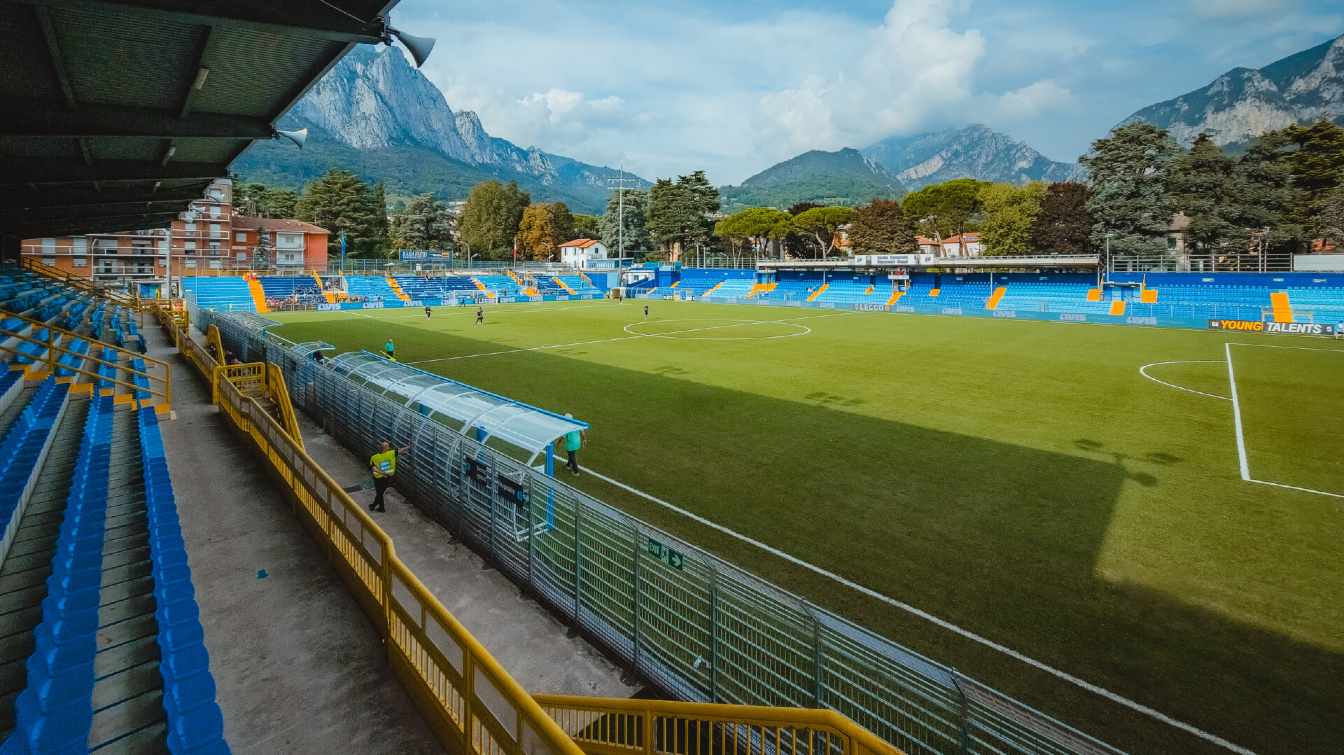
A key decision announced by the city authorities is the allocation of €600,000 for the modernization of the stadium’s lighting infrastructure. These funds will be used to rebuild the so-called floodlight towers, which are essential to meet modern competition standards.
This investment is part of a broader plan to modernize the facility and improve its functionality, both in sporting and organizational terms. Upgrading the lighting is crucial for the quality of television broadcasts and safety during events. While waiting for investments in sports infrastructure, fans often look for other forms of entertainment, with football betting, where you can find offers tailored to your needs.
Extension of Calcio Lecco 1912 stadium agreement until 2030
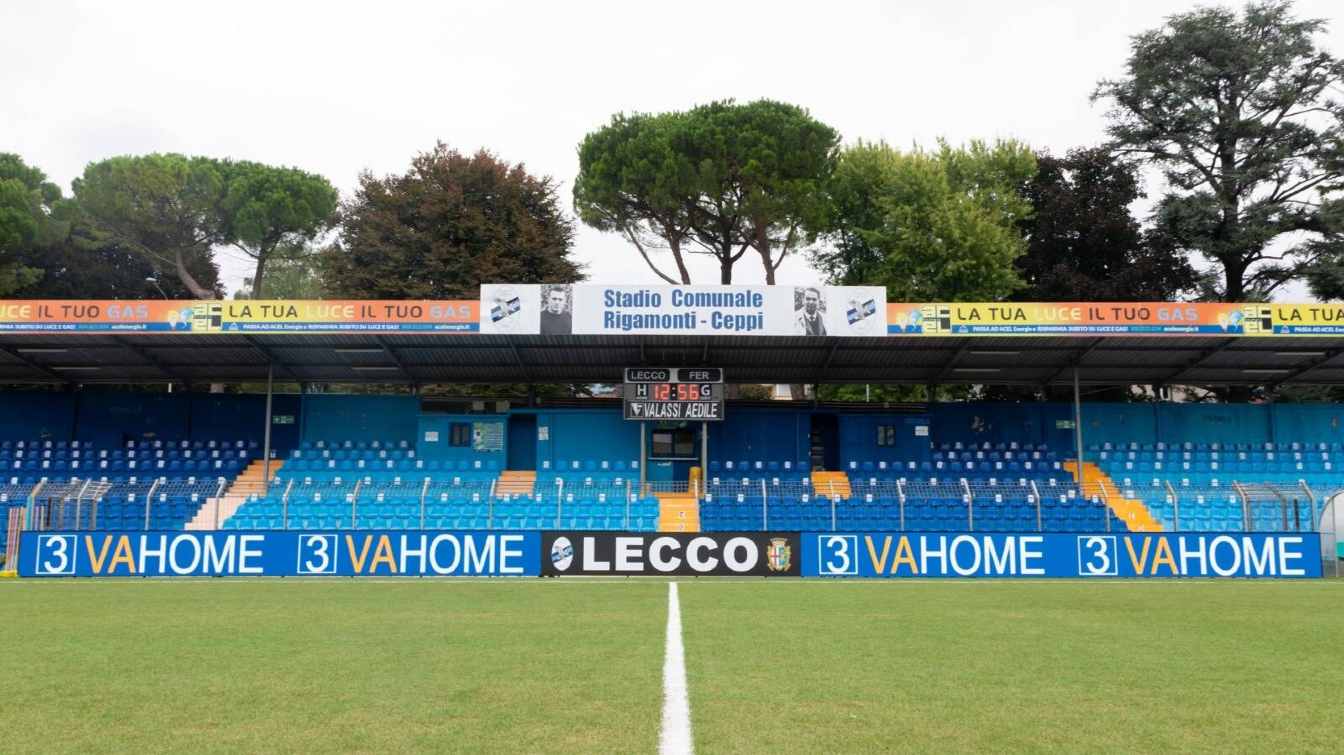
Alongside the investment decisions, an important declaration was also made regarding the future use of the stadium by Calcio Lecco 1912. The city of Lecco plans to extend the current concession by another three years—until the summer of 2030—giving the club significantly greater operational stability and the ability to plan long-term.
Importantly, throughout the duration of the new agreement, the club will not be required to pay annual rent for using the stadium. This type of arrangement is relatively rare and represents a clear signal of support from the local government. In practice, it relieves the club’s budget and allows funds to be redirected toward sporting development, youth training, or improving organizational infrastructure. For the city authorities, it is an investment in local sport and in building a positive image of Lecco as a center that supports football development.
This decision also has a strategic dimension—the extension of the concession helps avoid short-term solutions and uncertainty that could negatively affect the club’s operations. A stable agreement also increases Calcio Lecco’s credibility in the eyes of potential business partners and sponsors.
 © Calcio Lecco 1912
Dispute over funding the stadium modernization from the city of Lecco’s budget
Not all decisions by the city authorities have been met with positive reactions. Controversy has arisen over the method of financing the investments, including the transfer of funds to the club. The money comes from the 2025 budget surplus, which amounted to €2.8 million.
Some councilors pointed out that the decision on how to allocate these funds was made just before elections, which, in their view, raises political and ethical concerns. Critics argue that the use of the surplus should be decided by the future city administration, which will receive a fresh public mandate. In their opinion, the current actions may be perceived as an attempt to lock in
funds for specific purposes before a change in the political landscape.
The debate also concerns the broader philosophy of public finance management. There are voices suggesting that surplus funds should be more widely allocated to public services or investments of broader social importance, rather than primarily to projects related to professional sports.
City officials, however, reject these accusations, emphasizing that the actions are well thought out and serve the long-term development of the city. They also point to a parallel increase in investment spending, including the modernization of the Bione sports center, where the budget has already exceeded €10 million. According to the authorities, maintaining a balance between current expenditures and investments was key, allowing the city to develop infrastructure while preserving financial stability.
A new phase of cooperation between the city of Lecco and Calcio Lecco after the conflict
The decisions on funding and contract extension clearly indicate a warming of relations between the city and the club. After tensions at the end of 2025, both sides appear to be moving toward a more stable and partnership-based cooperation, built on shared interests and a long-term development vision.
The coming months will be crucial for developing a new, comprehensive agreement regulating the use of the stadium. Current provisions stipulate that the club is responsible for most maintenance work, which in practice can be a significant financial burden. It is possible that under the new agreement, some of these responsibilities will be taken over by the city or distributed in a more balanced way.
From Lecco’s perspective, this means not only improved sports infrastructure but also an opportunity to strengthen the city’s role on the national football map. A stable club, supported by local authorities, can attract greater interest from fans, sponsors, and investors, which in the long term translates into economic growth and regional promotion.
 © Calcio Lecco 1912
Advertisement