 StadiumDB
Italy: Close to agreement on financing Fiorentina stadium renovation
source: StadiumDB.com ; author: Paulina Skóra
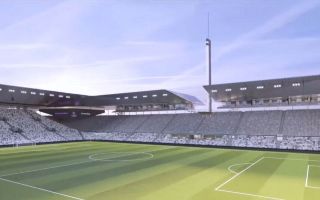 A breakthrough in the modernization of Stadio Artemio Franchi is getting closer. ACF Fiorentina and the city of Florence are close to reaching a financial agreement that could unlock a key phase of the stadium’s redevelopment.
Advertisement
Renovation of Stadio Artemio Franchi – how much will Fiorentina and Florence pay?
An agreement is taking shape around Stadio Artemio Franchi that could finally unlock the second phase of renovations at Fiorentina’s historic stadium. The club is reportedly ready to invest a total of around €85 million: €55 million to cover the remaining essential works, and another €30 million for commercial areas – skyboxes, hospitality zones, and other facilities designed to make Franchi modern and revenue-generating. Meanwhile, the city of Florence (Palazzo Vecchio) has declared it could contribute €55 million from reallocated funds, closing the basic budget needed to complete the project.
This financial arrangement means that the cost of Franchi’s modernization will be largely shared between the public and private sectors. In return for its contribution, Fiorentina gains access to a commercially enhanced, upgraded stadium. The goal is to transform Franchi into a true asset for the club: a venue that meets sporting and safety standards while generating steady revenue on match days and through other activities.
Progress at Curva Fiesole and the second phase of the project
Currently, the most advanced work is at the Curva Fiesole. After a minor misalignment of structural elements was detected, contractors made adjustments, and in recent days – local media report – the installation of new metal beams has accelerated. Photos from the site show the sector under the knife,
with the new stand taking shape week by week, confirmed by Mayor Funaro’s frequent site visits.
This phase is part of the first stage of Franchi’s modernization and is crucial for decisions about the second, more complex phase. The faster work stabilizes and accelerates at Curva Fiesole, the easier it will be politically and logistically to justify moving forward with the larger-scale redevelopment.
The second phase will cover the full restyling of the stadium: further redevelopment of stands, complete roofing, finishing skyboxes, hospitality zones, and all spaces needed to bring Franchi into the 21st century. This stage is directly linked to Fiorentina’s financial participation – without the club’s contribution, completing the ambitious project would be difficult.
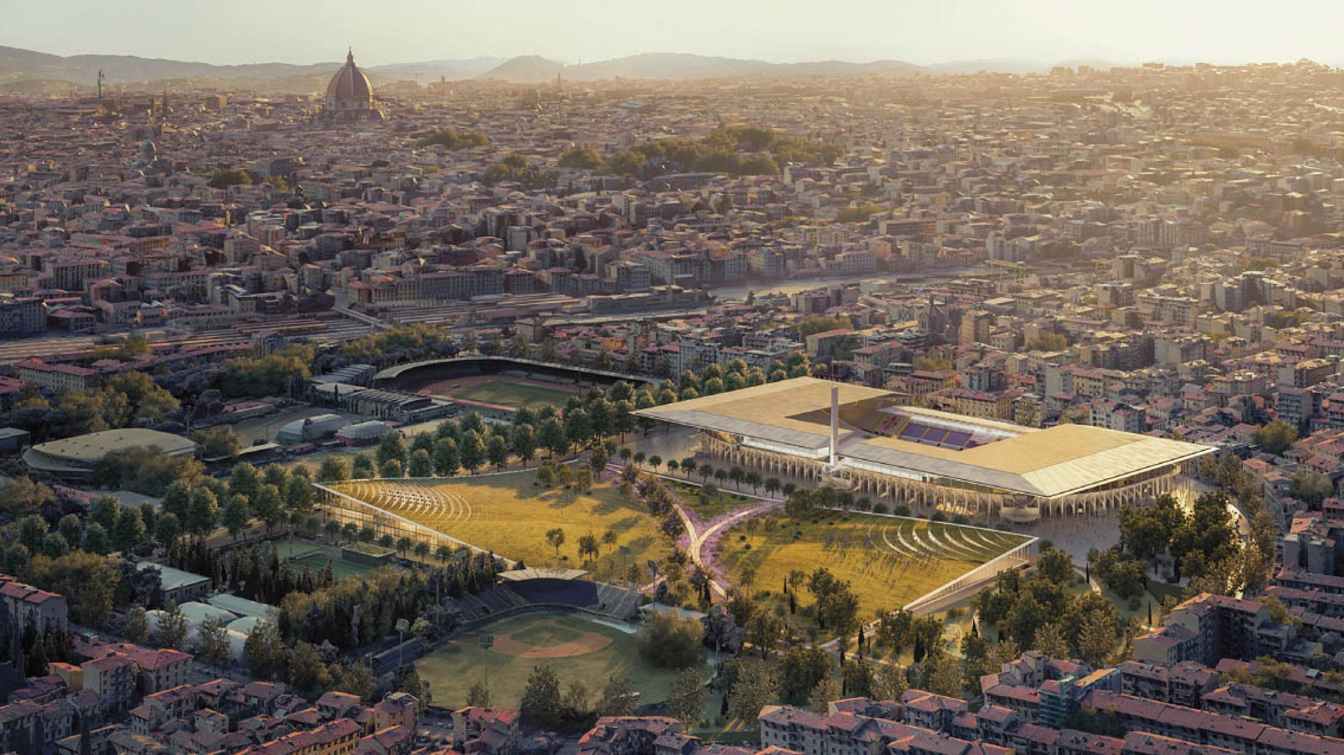
How the public-private partnership model works
The city and club are working on parallel tracks: physical construction at Curva Fiesole continues while negotiations define the terms of Fiorentina’s involvement in a project financing model for the second phase. Mayor Funaro emphasizes that the goal is not only to finish the works efficiently but also to send a signal to the city
– showing that Florence and Fiorentina are working together toward a new stadium.
For Franchi, a classic project financing scheme is being considered – a public-private partnership based on a concession. In this model, the public entity – the city – collaborates with a private investor (Fiorentina) in the development and management of the infrastructure. Most of the funding comes from the private side, which then manages the stadium and assumes operational risk, recovering its investment through tickets, rentals, events, and other revenue streams.
Administrative law expert Niccolò Esposito notes that project financing can be applied even while works are ongoing, as at Franchi, provided there are no legal prohibitions in existing documentation. Thus, the second phase can be implemented under project financing, even if the first stage used a different model and the investment was not originally included in the three-year public-private partnership plan.
Project financing procedure – key steps and consultations
The procedure involves several key steps. Fiorentina, as the promoter, submits a project financing proposal to the city, including a preliminary design, draft agreement, approved economic-financial plan, description of services and management, and its qualifications. The city evaluates whether accepting the proposal serves the public interest – which, given the stadium’s importance and Euro 2032, is almost self-evident.
The municipality may invite alternative proposals from other operators or request modifications before formal approval. This consultation and approval stage may take months, though timelines linked to Euro 2032 demand speed.
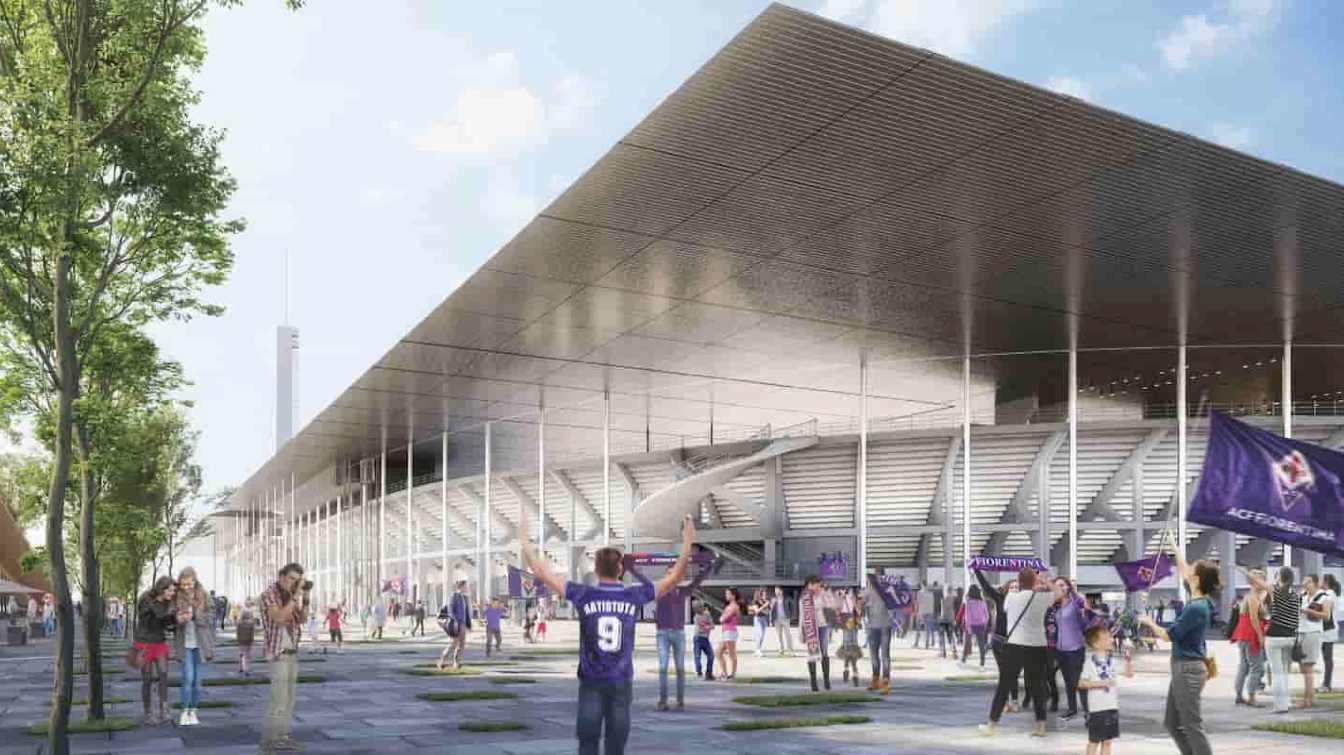
Tender for Franchi – competition and preemption rights
Once approved, the documentation forms the basis for a tender. Other operators may bid if they meet financial and technical-professional criteria. There is a theoretical risk that Fiorentina could be outbid, but the club retains a preemption right: even if it loses the tender, it can still take over the project by agreeing to the winning bid’s terms. This guarantees that Fiorentina can remain the stadium’s ultimate concessionaire.
Mixed financing – public and private funds
Project financing allows combining public and private resources, provided the private partner bears real investment risk and revenue depends on actual stadium income. Public support (e.g., city grants) is allowed to maintain economic balance – this is where the €55 million from the municipality fits in. The model cannot fully shield the private partner from losses; otherwise, it ceases to be a genuine concession. The legal challenge is designing a contract that protects public finances while encouraging Fiorentina’s long-term investment.
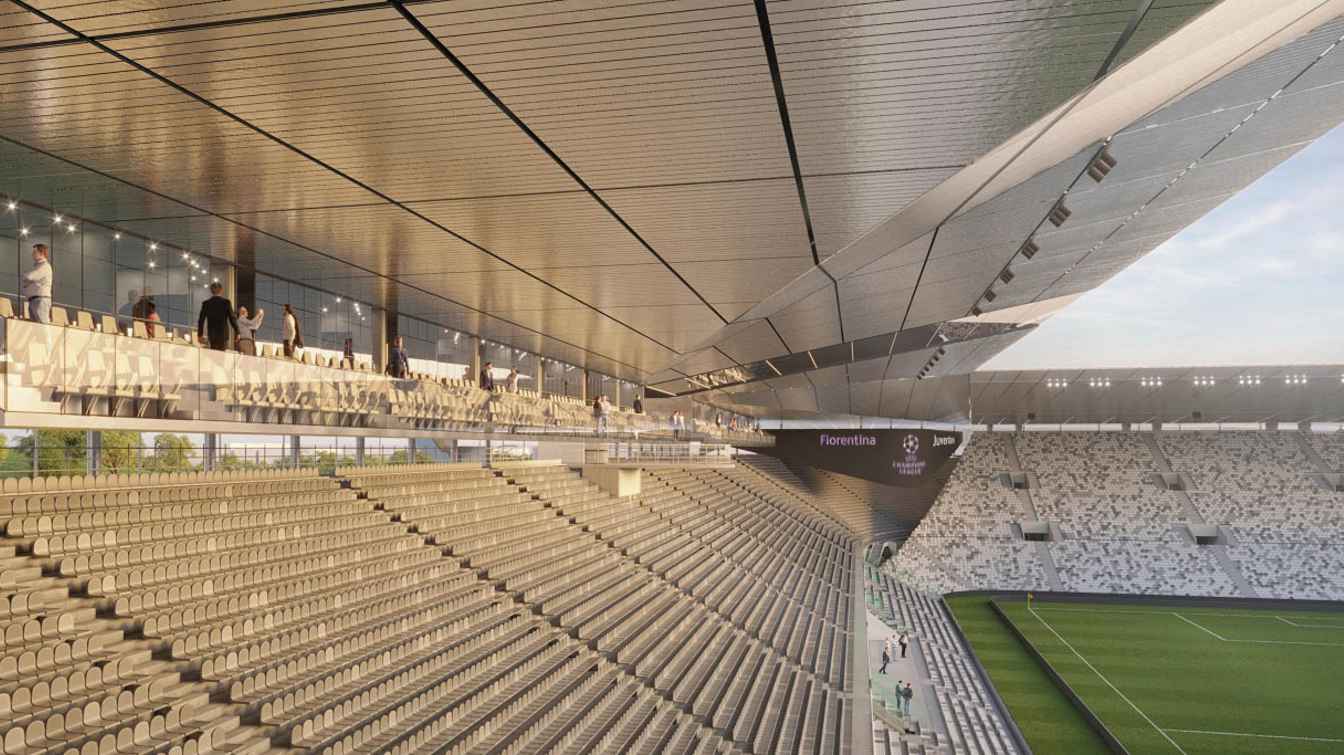
Concession – 80 years for Fiorentina and city concerns
One sensitive point is the concession length, proposed at around 80 years. This would translate into an annual cost of just over €1 million for the club, making the investment financially viable. For the city, however, it locks the asset for decades and limits flexibility. Palazzo Vecchio requires a thorough legal opinion to ensure the concession complies with regulations, avoids hidden benefits to the club, and does not risk public funds. Meanwhile, time is pressing – Sport Minister Andrea Abodi reminds that Euro 2032 stadium selection is competitive, and cities already moving forward gain an advantage.
Advertisement