 StadiumDB
England: New Oxford United stadium moves closer after city approval
source: StadiumDB.com ; author: Paulina Skóra
 A new stadium for Oxford United is moving closer to reality after receiving approval from local authorities. The investment planned near Oxford Parkway railway station is set to replace Kassam Stadium and create a modern sports and business hub for the club and the wider region.
Advertisement
Kassam Stadium in Oxford will cease to be Oxford United’s home
Oxford United currently plays at Kassam Stadium, located in the Littlemore district, which can accommodate around 12,500 fans. The venue has been the club’s home since 2001, but it has long generated mixed reactions among supporters. The stadium has only three stands because the fourth one was never built, creating a distinctive spatial layout.
Fans have repeatedly pointed out that this unusual structure creates what is known as a wind tunnel effect,
which often results in strong gusts of wind being felt inside the stadium during matches. At the same time, the venue’s infrastructure is considered outdated in relation to the club’s sporting ambitions.
Another key issue is the stadium lease agreement, which expires in 2028. As early as 2022, club representatives informed local authorities that there was no realistic possibility of either purchasing the stadium or extending the existing lease agreement. Oxford United managing director Niall McWilliams warned councillors at the time that the lack of a new stadium could even threaten the club’s future. In his view, continuing to operate under the current conditions would be extremely difficult both financially and organisationally.
 © AFL Architects / Oxford United
Construction of the Oxford United stadium near Oxford Parkway Station
The new stadium for Oxford United will be built on land known as The Triangle, between the village of Kidlington and the northern part of Oxford. The location was chosen partly because of its strong transport connections and proximity to Oxford Parkway railway station, which is expected to make travel easier for fans from across the region.
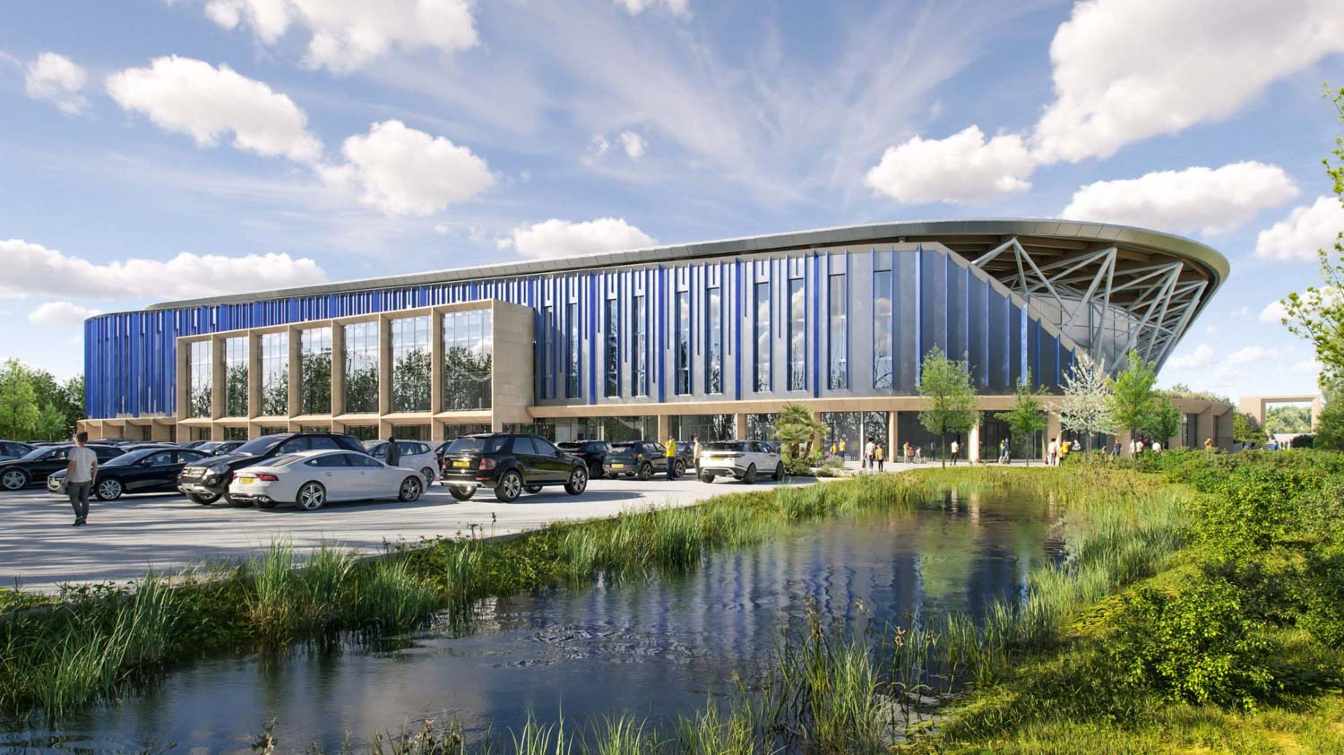
The stadium will have a capacity of around 16,000 spectators, several thousand more than the current ground. Construction is expected to cost approximately £130–150 million. The design features modern architecture with a large glass façade and open public spaces surrounding the stadium, including walking paths and green areas.
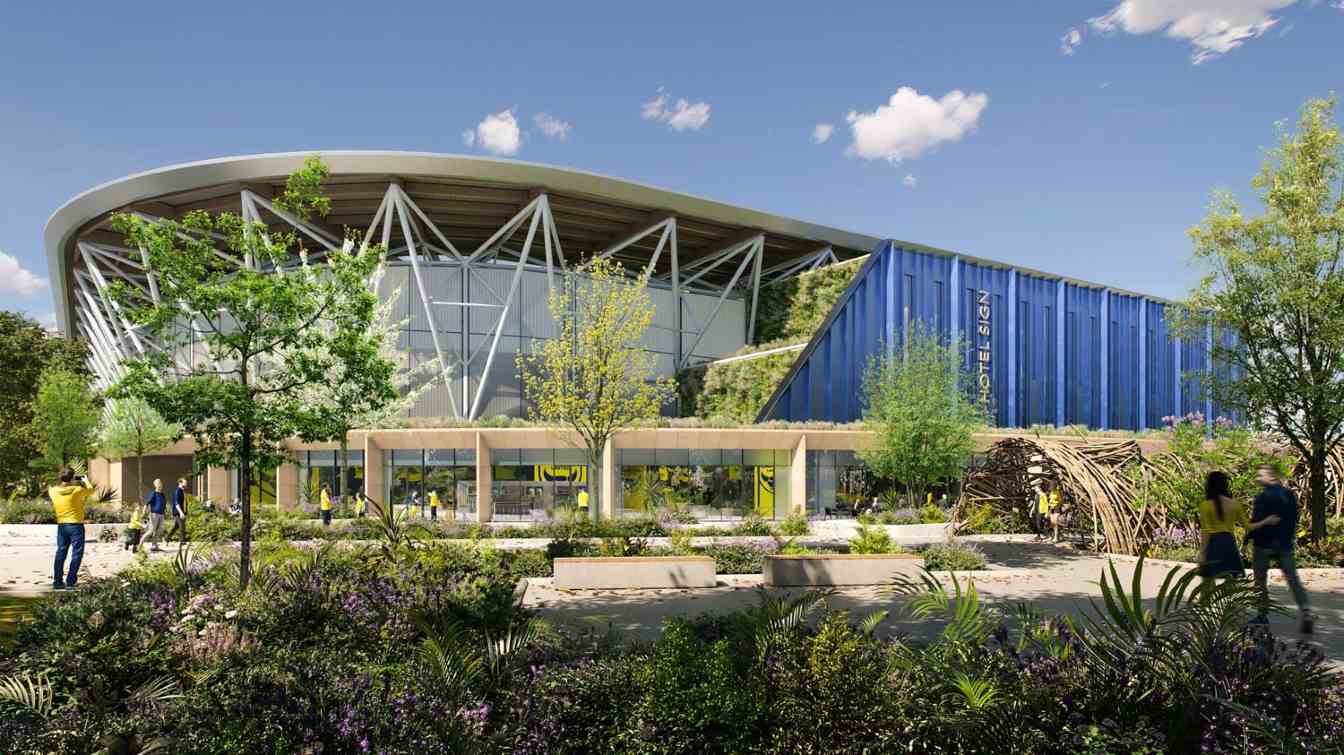
However, the complex will not function solely as a football stadium. Plans also include a hotel with around 180 rooms, a conference centre, restaurants and food venues, as well as a community plaza designed for local residents. According to club officials, the new venue is intended to function as a business and social hub operating throughout the year, not just on matchdays.
 © AFL Architects / Oxford United
Infrastructure investments around the Oxford United stadium
The Section 106 agreement signed with local authorities requires the club to contribute significant funds towards infrastructure development around the stadium site. The total value of these commitments will reach at least £5.1 million. Part of the funding will be allocated to upgrading Oxford Parkway Station, which is expected to handle increased passenger traffic on matchdays.
The project also includes investments in public transport, including improved bus services and the creation of a so-called mobility hub
that will integrate different forms of transport.
In addition, Oxford United will contribute around £930,000 to the project aimed at reopening the Cowley Branch Line, a railway line that could eventually lead to the creation of two new stations in the districts of Cowley and Littlemore. The plan also includes elements related to public space development, such as artistic installations, improvements to pedestrian infrastructure and solutions that will make it easier for residents of nearby communities to access the stadium.
 © AFL Architects / Oxford United
Local protests against the stadium project near Kidlington
Despite receiving formal approval for the investment, the stadium project continues to generate controversy among part of the local community. The organisation Friends of Stratfield Brake (FOSB) has opposed the construction of the stadium on the Triangle site from the beginning.
According to the project’s opponents, the stadium could negatively affect the natural environment and the quality of life of residents in nearby communities. The organisation has even launched a fundraising campaign to finance an application for a judicial review of the planning decision.
To initiate legal proceedings, activists aim to raise around £50,000. In such procedures, the court does not assess the investment itself but examines whether the decision-making process of local authorities was conducted lawfully. According to FOSB representatives, building a stadium between Kidlington and northern Oxford could have serious consequences for local communities.
At the same time, the leader of Cherwell District Council, David Hingley, emphasised that the application review process was detailed, professional and carried out in accordance with existing procedures.
 © AFL Architects / Oxford United
New Oxford United stadium as a centre of sport and business
Club officials stress that the stadium project goes far beyond football itself. According to Grant Ferguson, the chairman of Oxford United F.C., the investment represents a generational opportunity
both for the club and the entire region.
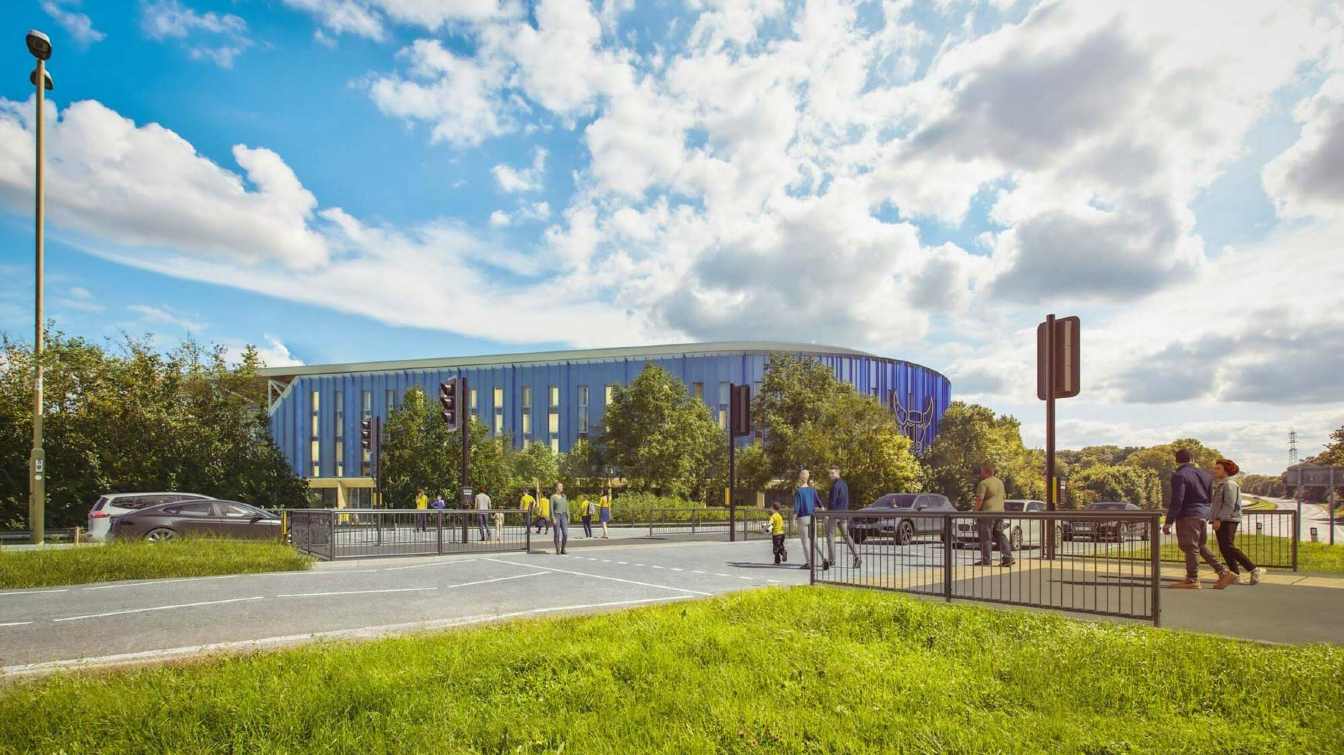
The new venue is intended to serve as the home of both the men’s and women’s Oxford United teams while also becoming a location for business events, conferences and community activities. The project also provides stadium access for schools, charities and community groups, while Oxfordshire Football Association will be able to host its annual county cup finals there.
Before construction can begin, the club must still submit detailed technical designs and obtain final approvals regarding the construction schedule. If all formalities are completed, the investment could begin in the coming years and significantly reshape the sporting landscape of Oxford.
Advertisement