 StadiumDB
England: Manchester United problems. New stadium getting more expensive, timeline extending
source: StadiumDB.com ; author: Paulina Skóra
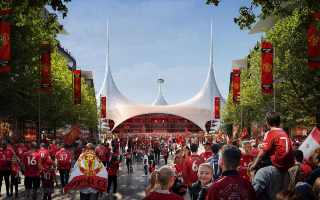 The new stadium for Manchester United was supposed to symbolize a new era and become the largest club stadium in England. However, the project is beginning to face serious obstacles – rising costs, paused design work and financial uncertainty may delay the construction of the planned 100,000-seat arena.
Advertisement
Manchester United stadium capacity – 100,000 seats and a new English record
The planned capacity of Manchester United’s new stadium is around 100,000 spectators, an increase of over 25,000 seats compared to the current Old Trafford. Such a scale is aimed not only at meeting the huge demand from United fans but also at enabling the club to host the biggest events on the FIFA and UEFA calendars, where capacity and supporting infrastructure are key requirements.
Club and media announcements indicate that the stadium is expected to become the largest club football venue in the country and one of the largest in Europe, strengthening both the marketing and image aspects of the investment. In practice, Manchester United wants to move from the large league stadium
category to an elite group of arenas serving as national and international football hubs.
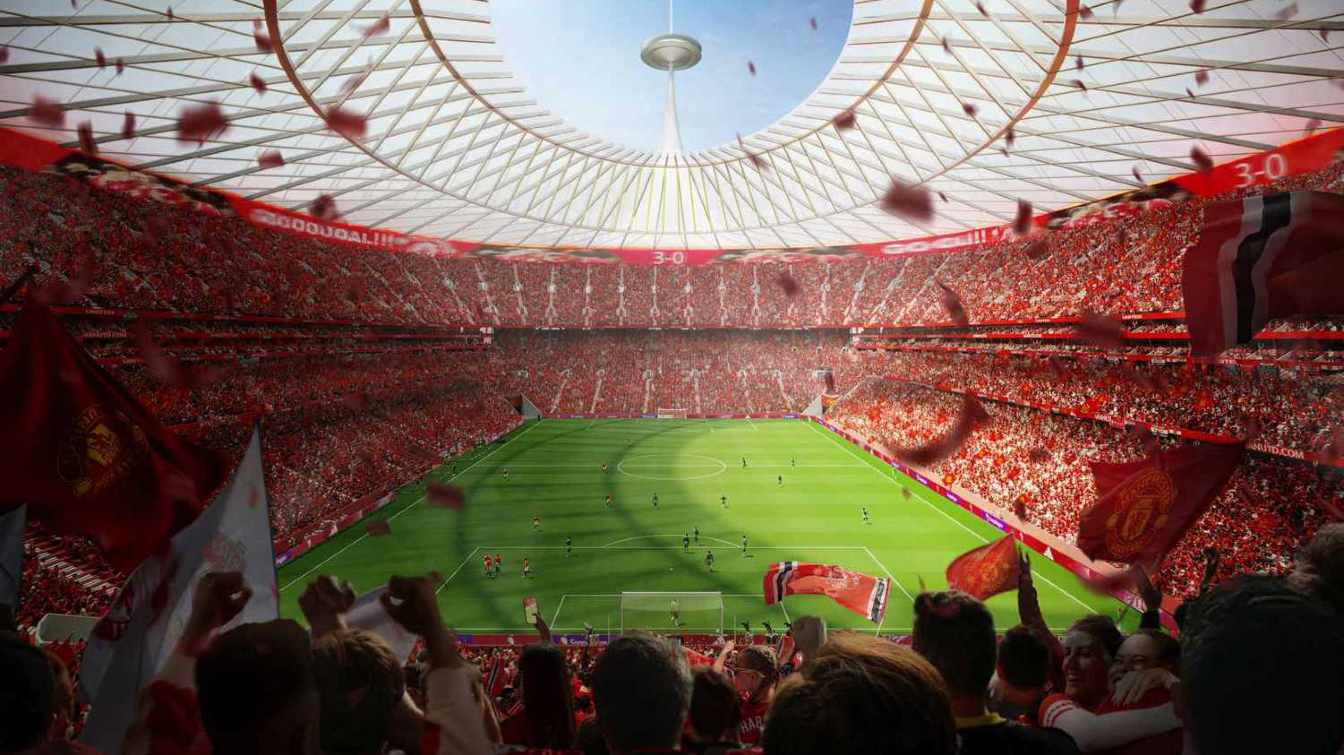 © Foster + Partners | The visualisation of Manchester United's new stadium envisages a facility with around 100,000 seats, which would be the largest club stadium in England.
Concept work on hold – will the stadium be built on a smaller scale?
The new stadium is designed by the renowned firm Foster + Partners, famous for numerous spectacular and costly projects worldwide. Initial visuals released by the club and the studio showed an arena covered by a striking tent-like
roof structure, which Sir Jim Ratcliffe compared to a symbolic, dominant form in the style of the Eiffel Tower – a landmark for the entire region.
The roof was meant to be one of the stadium’s most recognizable features, creating a light but monumental dome visible from a distance and distinguishing the new facility from the classic Old Trafford silhouette. However, the concept was clearly described as preliminary
and conceptual
– the club always noted that the architectural design would later be refined, with some elements potentially simplified or dropped.
During budget planning, reports emerged that the showiest element of the design – the tent-like
roof – could be removed entirely. Industry estimates suggest that this single component could cost around £200 million, which, given total construction costs exceeding £2 billion, sparked serious discussions.
Sources close to the project note that Foster + Partners are known for high costs,
which encourages the club to review the scope and standards of architectural solutions. The club officially states that early conceptual work on the stadium was intentionally paused
until there is full clarity regarding land acquisition and fan expectations – only then will the design be finalized and adjusted to a realistic budget.
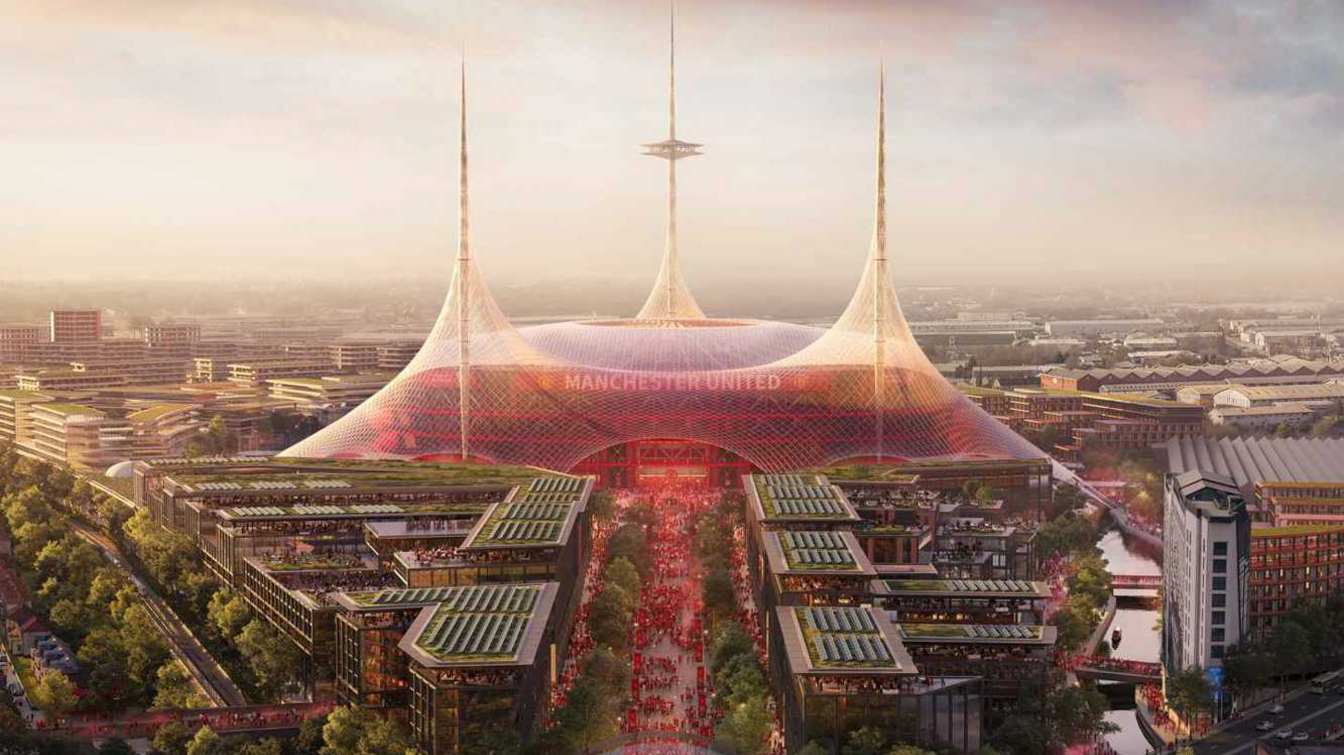 © Foster + Partners | The design by Foster + Partners may be simplified, with the distinctive “tent” roof being considered for removal for cost reasons.
Manchester United stadium construction – timeline, deadlines, and delay risks
Estimates suggest that once ground is broken, construction could take around five years – a timeframe similar to other modern stadiums in England. The issue is that Manchester United is still in the preparatory phase: financing is not fully secured, key land parcels are not fully under the club’s control, and the legal framework for regenerating the Old Trafford area is still evolving, pushing back the start of actual construction.
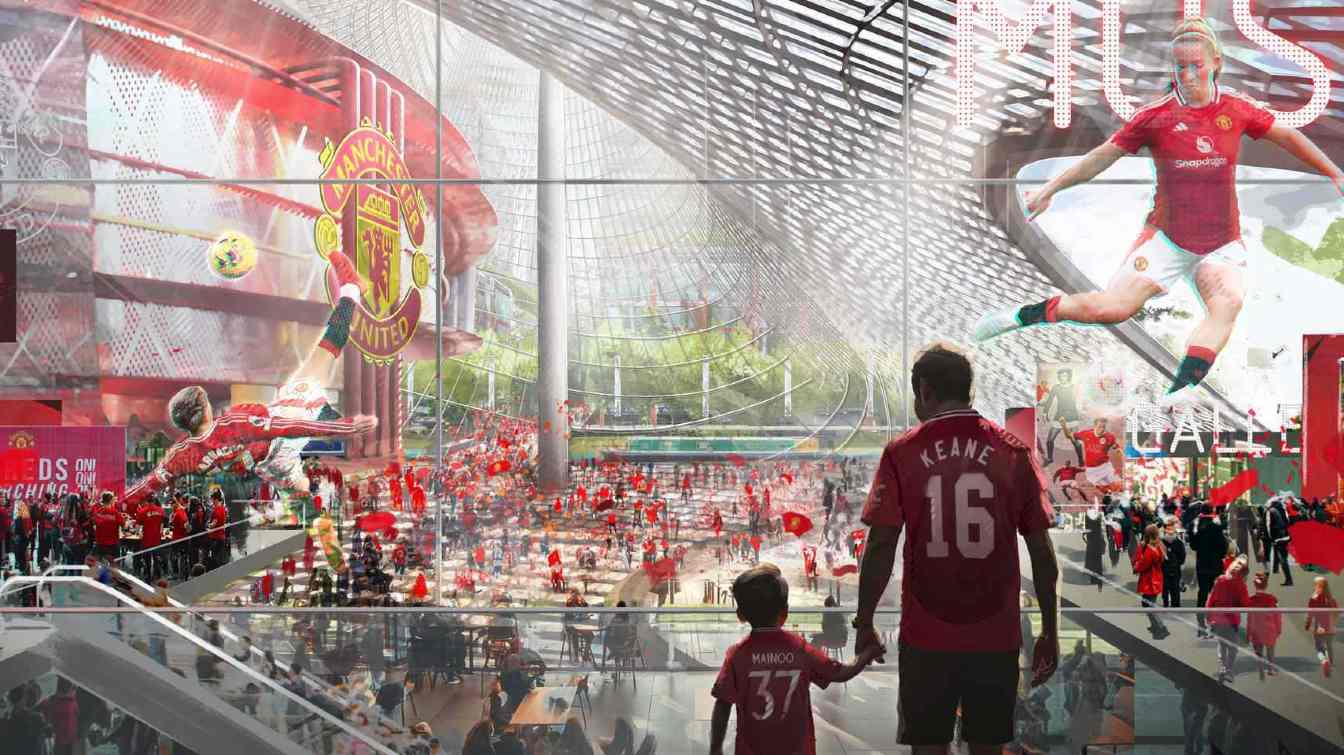 © Foster + Partners | Construction of Manchester United's new stadium could take around five years, but the project is still in the preparation and investment decision stages.
Manchester United stadium cost – from £2 billion to over £3 billion?
The club and the media consistently report an indicative investment of around £2 billion, covering the construction of a new 100,000-seat stadium and essential supporting infrastructure. However, recent reports suggest that with current construction inflation, material costs, wages, and potential delays, the final bill could exceed £3 billion, especially if the most ambitious design elements are retained.
Adding to the challenge is the club’s existing debt, reported at around £1.3 billion, partly related to the current stadium infrastructure. Manchester United therefore faces the challenge of balancing the investment: creating a stadium worthy of its history and ambitions without overstretching the club’s financial structure to the point of sporting and business risk.
Advertisement