 StadiumDB
England: Manchester United accelerates construction of a new stadium. Goal? World Cup 2035
source: StadiumDB.com ; author: Paulina Skóra
 Manchester United is accelerating plans for a new stadium that could shape the club’s future for decades. The project is gaining momentum, but it comes with major logistical and financial challenges. Will the club’s ambitions turn into reality?
Advertisement
Location of the Manchester United stadium and challenges in site preparation
Collette Roche, Director of New Trafford Stadium development, explains that the club is currently focused on preparations for the start of the investment: acquiring land, obtaining administrative approvals, and securing financial resources. The area designated for the new stadium has been preliminarily selected, but details are still being refined. The club must first acquire all plots, analyze road access and public transport, and consider the location of 15,000 new homes to avoid negative impacts of large sporting events on surrounding neighborhoods.
Logistical challenges are enormous – among other things, using the nearby Manchester Ship Canal to transport construction materials is being considered. In addition, parking lots, access roads, and service areas for fans must be prepared. Roche emphasizes that all decisions must consider both spectator comfort and resident safety, as well as the proper functioning of the city.
Financing and investment in the new Manchester United stadium
The estimated cost of the investment is over £2 billion, but the financing method remains unspecified. Possible scenarios include funding from Ratcliffe and the Glazer family, taking out loans, or creating a new investment company involving external partners. Roche notes that investors are interested both in the stadium itself and the entire stadium district.
The club must also balance spending on the new facility with investments in the teams, transfers, and the football academy development. Financial planning is thus a key element ensuring not only a modern stadium but also the economic stability of Manchester United.
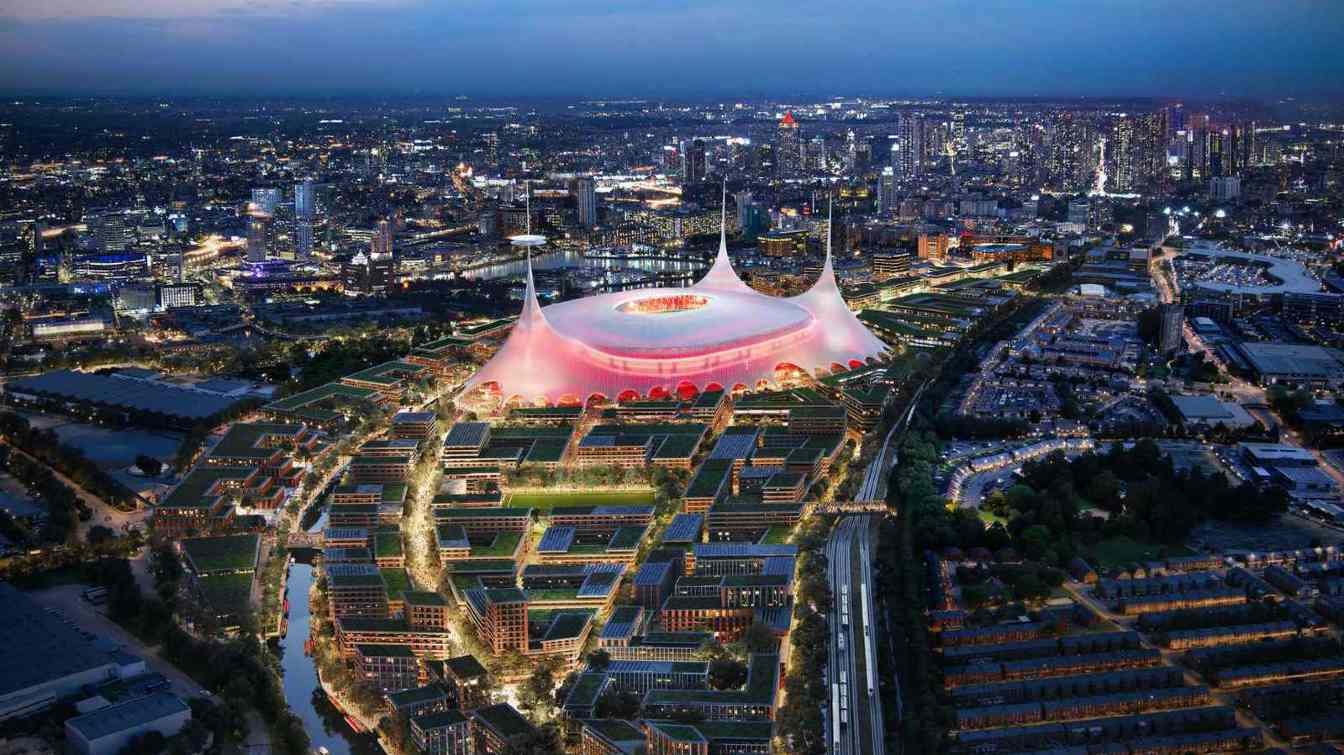 © Foster + Partners | Manchester United is preparing for the construction of a new stadium, including land acquisition, approvals, and securing financing.
Modernization of the Manchester United stadium while preserving tradition and fan comfort
Roche assures that the new stadium will combine modernity with the tradition of Old Trafford. The club wants to preserve matchday rituals, atmosphere, and emotions that boost players’ morale and intimidate
opponents. A survey of 80,000 fans gathered their expectations regarding comfort, amenities, ticket prices, and atmosphere. This information is used in designing stands, catering areas, and transport access. Football does not exist without fans. We want to build the stadium with them, not for them,
says Roche, emphasizing that fans will be an integral part of the creation process.
Construction schedule and prospects for completion of the Manchester United stadium
Preparatory work will take the next 12–24 months, including land acquisition, fundraising, and obtaining administrative approvals. Then, engineering design, strategic planning, and material orders will begin. Only after these actions will the club submit the building permit application, and fans will be able to see visualizations of the new facility and compare them with earlier Ratcliffe concepts.
Collette Roche estimates that the construction itself will take about four to five years from groundbreaking. This means that a realistic goal is to complete the work in the early 2030s and have the facility fully ready no later than the women’s World Cup final in 2035.
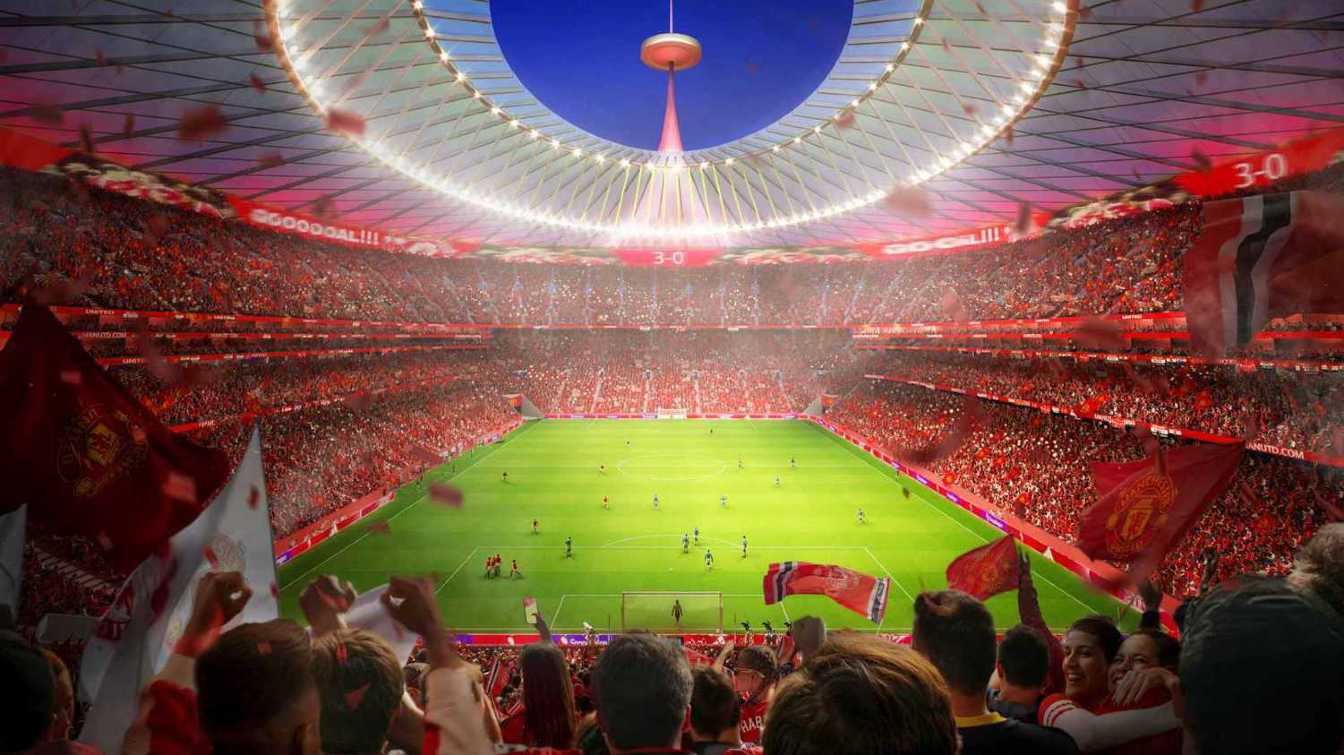 © Foster + Partners | The project is estimated to cost over £2 billion, with construction expected to take around 4–5 years once it begins.
Advertisement