 StadiumDB
USA: Decisive weeks for the Chicago Bears as Illinois races Indiana
source: StadiumDB.com ; author: Paulina Skóra
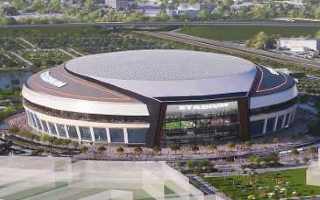 The coming weeks could determine the future of the Chicago Bears. Illinois is still negotiating the terms of a new stadium, while Indiana is presenting a ready-made alternative and increasing pressure. At stake are the venue’s location and the club’s long-term position in the region.
Advertisement
Arlington Heights stadium and public funding of infrastructure
The planned stadium in Arlington Heights is seen not only as a new home for the Chicago Bears, but as a catalyst for a broad urban transformation. The former Arlington International Racecourse site, spanning more than 300 acres, offers the opportunity to develop a full-scale complex including an NFL stadium, commercial space, hotels, offices and entertainment infrastructure. For the State of Illinois, the project represents a chance to create new jobs and generate long-term tax revenues capable of offsetting the costs of infrastructure investments.
One of the key topics in ongoing talks between state officials and the authorities of Arlington Heights is the scope of public support for infrastructure surrounding the stadium. Illinois is considering financing roads, transport hubs and utility networks needed to handle tens of thousands of fans during games and major events. Governor JB Pritzker has consistently emphasized that such spending should not be viewed as subsidizing a private stadium, but rather as a standard economic development tool applied to large-scale investments across the state.
Chicago Bears and long-term tax stability for the stadium
A central condition set by the club is the introduction of a PILOT mechanism (Payment In Lieu Of Taxes)—a special tax arrangement replacing traditional property taxes with a negotiated, fixed payment agreed upon by the investor and local authorities. In practice, PILOT would allow the Chicago Bears to precisely forecast their tax obligations years in advance, regardless of fluctuations in property valuation or tax rates.
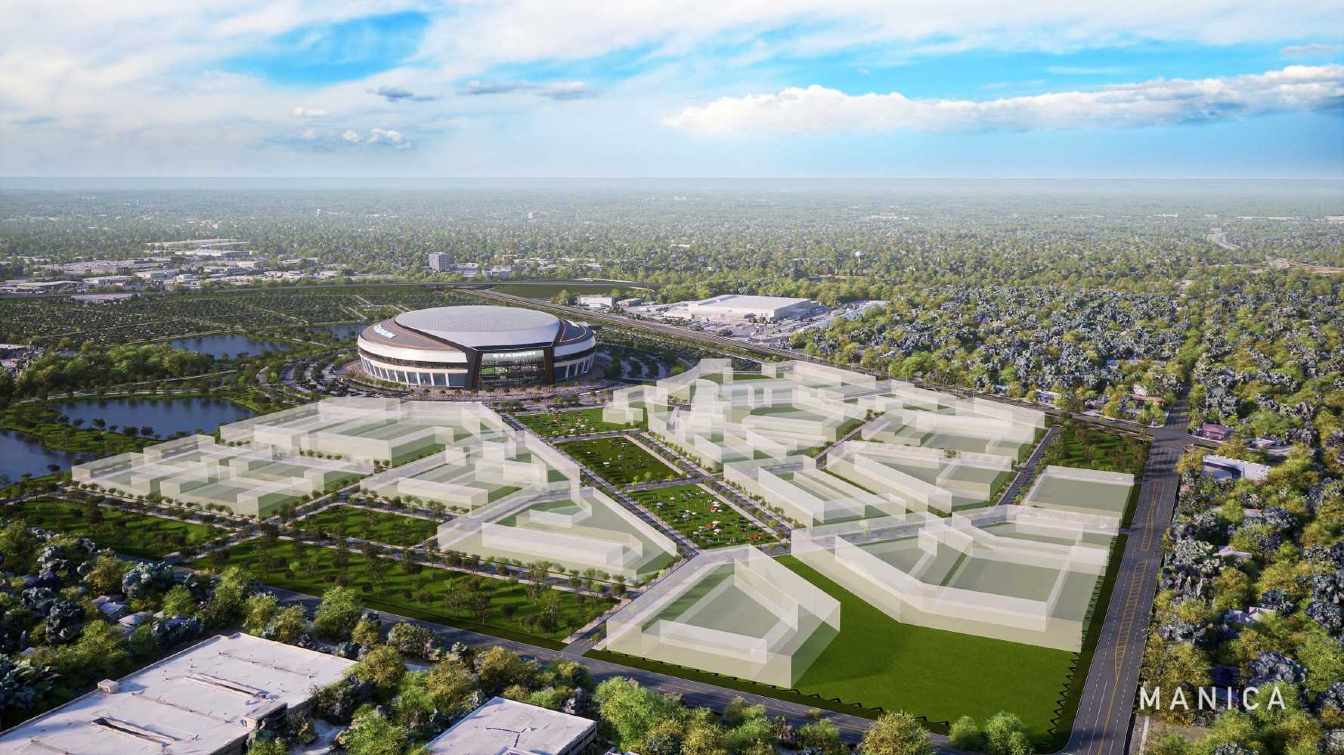 © MANICA | The state of Illinois is considering funding roads, transportation hubs and technical networks that will support tens of thousands of fans at matches and major events.
Club president Kevin Warren has repeatedly stressed that without such tax certainty,
launching a stadium project measured in billions of dollars is simply not feasible. For Illinois, this creates the challenge of balancing attractive conditions for a major investor with strong political pressure to protect taxpayers and avoid accusations of granting preferential treatment to a private NFL franchise.
At the same time, there is clear pressure on the Illinois side to safeguard the public interest. Lawmakers want to avoid a scenario in which taxpayers shoulder disproportionate costs related to a privately owned sports facility. As a result, negotiations focus not only on tax levels, but also on oversight mechanisms and safeguards ensuring that any relief does not become a long-term burden on the state budget.
Stadium construction without public funding
A key element of the proposed compromise is the Bears’ declaration that the stadium itself would be fully financed with private funds. The club emphasizes that it is not seeking public subsidies for the construction of the sports venue, positioning the Arlington Heights project as distinct from many controversial stadium deals across the United States. For Governor Pritzker, this is an absolute prerequisite, particularly given the ongoing repayment of obligations tied to the Soldier Field renovation and earlier sports investments in Chicago.
Stadium capacity and its social dimension
Although technical details have yet to be disclosed, the new Chicago Bears stadium in Arlington Heights is expected to be a large-capacity venue capable of hosting not only NFL games, but also concerts, international events and major mass gatherings. Discussions also include the possibility of a roof, which would allow year-round use of the facility. For the region, this would translate into increased tourism appeal and the ability to attract events of national and global scale.
Alongside capacity considerations, lawmakers are debating accessibility for fans. Legislators are calling for provisions ensuring that ticket prices for Bears games and other events do not exclude average families. This aspect has gained importance as modern NFL stadiums are increasingly associated with rising costs of attendance.
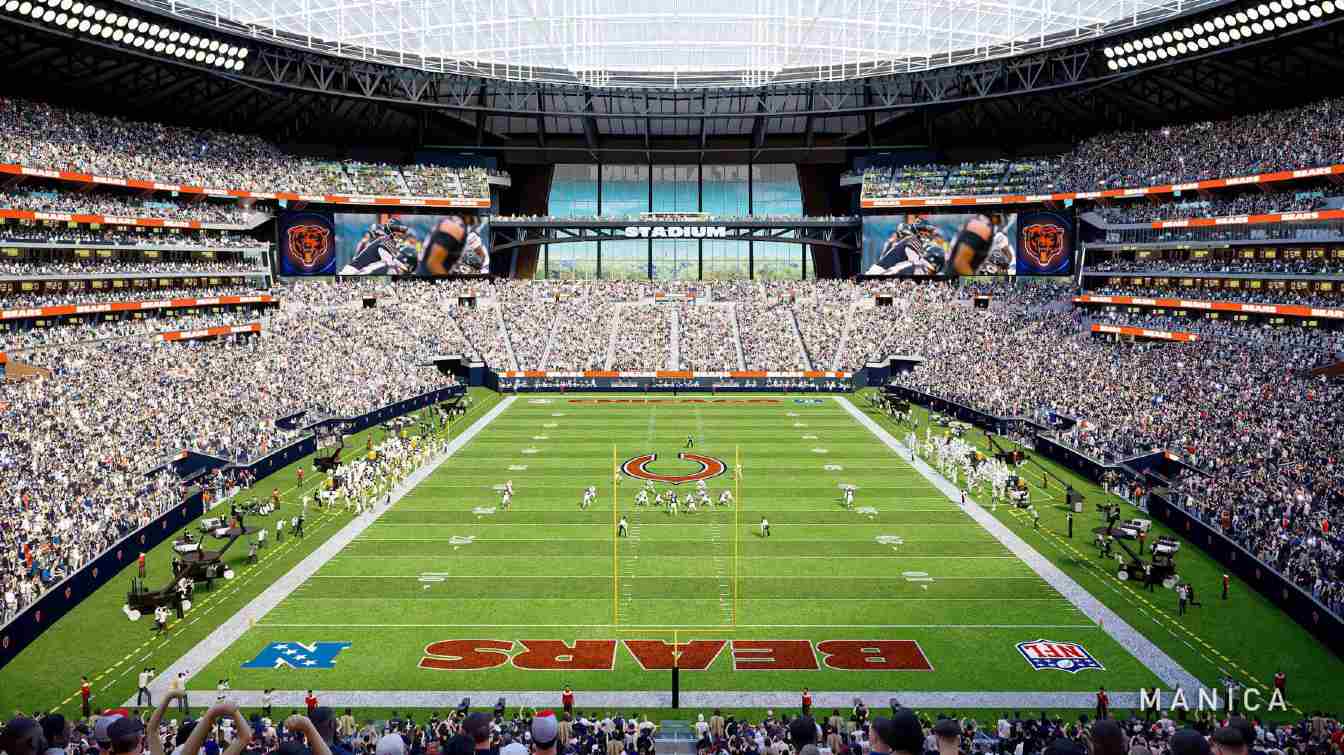 © MANICA | The Chicago Bears club emphasizes that it does not expect subsidies for the sports facility itself, which is intended to distinguish the Arlington Heights project from many controversial stadium investments in the US.
Indiana and a potential Hammond stadium as leverage
Against the backdrop of protracted and increasingly unproductive talks over Arlington Heights, an alternative once seen mainly as a negotiating tactic has begun to look far more concrete. Indiana, acting swiftly and without political hesitation, has presented the Chicago Bears with a comprehensive, coherent—and crucially, immediately actionable—offer. Fast-tracked legislation allows for the creation of a special body, the Northwest Indiana Stadium Authority, which would assume responsibility for land acquisition, stadium construction financing and the issuance of long-term bonds. In practical terms, this offers the Bears a rent-to-own
model, sparing the club from upfront multibillion-dollar expenditures while preserving a realistic path toward full control of the stadium in the future.
Hammond, identified as one of the most advanced candidate locations, carries strategic significance for the Bears. Its proximity to the Illinois border means a potential move would not sever ties with the Chicago market or the franchise’s regional identity. It remains part of Chicagoland—the same media market, the same fan base, the same transport corridors. For the club, this is a crucial distinction from the prospect of a more radical relocation, and for Indiana, a key argument that the goal is not to steal
a team, but to offer better conditions for growth.
The contrast with Arlington Heights is stark. In Illinois, the project remains bogged down by disputes over infrastructure funding and, above all, property taxes, which at the former Arlington Park site could reach as much as $100–200 million annually—figures dramatically higher than those faced by other NFL stadiums nationwide. Illinois, focused on competing budgetary priorities, has not conveyed a sense of urgency, while Indiana signals the opposite: bipartisan support, a clear legislative pathway and readiness to close negotiations in weeks rather than years.
Decisive weeks for the future of the Chicago Bears
It is precisely this determination that makes Indiana’s proposal a powerful source of leverage. While the Bears continue to state that Arlington Heights remains their preferred option and that they would like to remain a point of pride for Illinois, the club’s patience is clearly wearing thin. Public signals suggesting a willingness to choose Northwest Indiana if Illinois once again asks for more time
sound increasingly like an ultimatum rather than a negotiating tactic. Indiana offers not just money, but predictability and decisiveness—the promise that this stadium project will not be trapped in political gridlock. In this sense, Hammond and the broader Northwest Indiana region have become more than a plan B; they are a mirror reflecting the consequences of further delay by Arlington Heights and Illinois authorities.
With the end of Indiana’s legislative session approaching, time pressure has become one of the defining factors in the process. Governor JB Pritzker has openly acknowledged that he does not view the Bears’ relocation threats as mere negotiating rhetoric, but as a genuine risk. The coming weeks may therefore determine not only the location of a new stadium, but also the sporting identity of Illinois for generations to come.
Advertisement