 StadiumDB
Spain: UD Las Palmas stadium prepares for the 2030 World Cup in the Canary Islands
source: StadiumDB.com ; author: Paulina Skóra
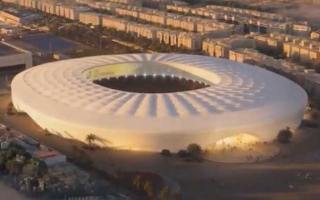 In the Canary Islands, the demolition of Estadio de Gran Canaria has begun, and Las Palmas is entering a key phase of preparations for the World Cup. The stadium will be modernized while UD Las Palmas continue to play their matches there, meaning compromises, temporary restrictions and a race against time.
Advertisement
Torre Este demolition already underway
The first visible stage of the project is dismantling the east tower (Torre Este) and the adjacent structural cylinder. Work began according to the contract and is expected to be completed by the end of March. The area has been secured, scaffolding installed, and safety zones marked.
Authorities stress that for public projects, construction is considered officially started when the contract with the contractor is signed, not when heavy machinery appears on site. This means the stadium’s renovation formally began in November. If any stage is delayed, contract mechanisms for oversight will come into play.
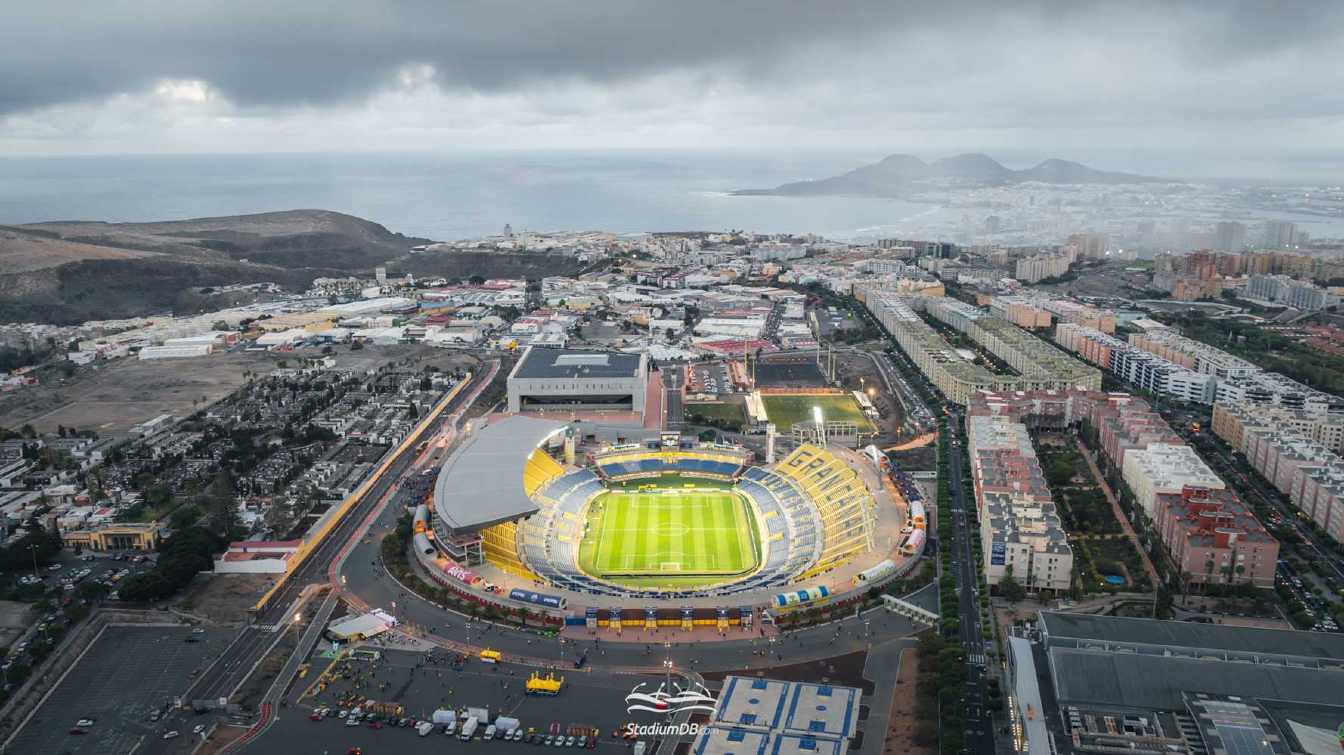 © Grzegorz Kaliciak / Currently, the Gran Canaria Stadium is a rather asymmetrical facility, with the ends set back from the pitch.
Construction schedule until July 2029
The main expansion phase will start after the tender process is completed—likely in late August or September. Curva and Naciente stands will be upgraded first, and will be temporarily closed during the work.
Completion is scheduled for July 2029, a hard deadline set by FIFA for all host cities. Authorities note that other stadiums worldwide have been finished just a few months before tournaments, making this timeline safe and realistic.
A major challenge is coordinating construction with ongoing sporting activity. Estadio de Gran Canaria remains the home of UD Las Palmas, and authorities are not considering a permanent relocation. The plan allows the club to play the last two matches of the 2026/27 season and the first two matches of the 2027/28 season away from home. This provides the contractor with eight additional months of intensive work in two shifts while respecting residents’ quiet hours.
Fan restrictions during renovation
Some sections of the stands will be temporarily closed, most likely behind the goals. The average UD Las Palmas attendance of 19,000–23,000 spectators will be accommodated mainly in the main stands. Closed sections, reduced capacity, and organizational adjustments are described by authorities as the price of a World Cup stadium.
Contractors will operate in two shifts, avoiding night operations with heavy machinery. The priority remains balancing residents’ comfort, spectator safety, and timely project delivery.
Authorities assure that, despite the inconveniences, matches can continue safely. Proper organization of entrances, exits, and buffer zones will allow simultaneous construction and sporting events.
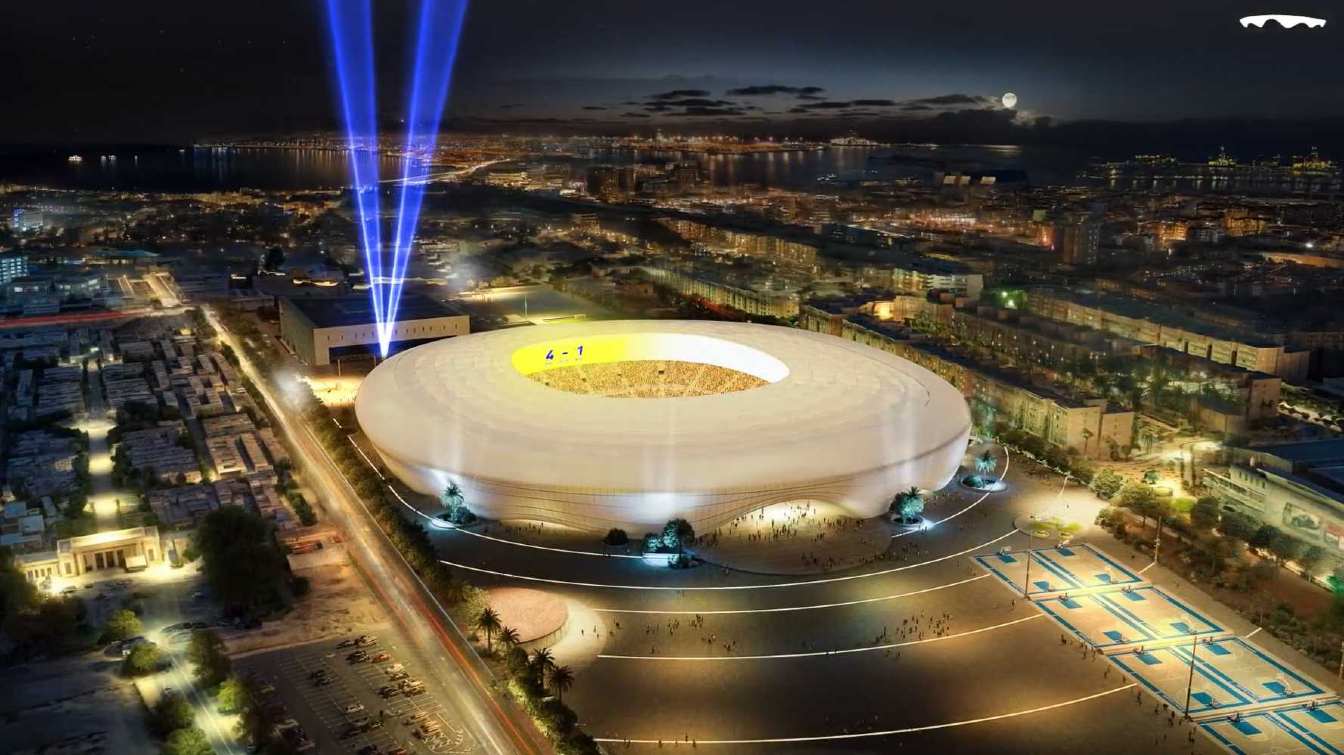 © L35 Arquitectos / Once the work is completed, the Gran Canaria Stadium will have 44,484 seats, all covered.
Estadio de Gran Canaria as a World Cup venue
The renovation of Estadio de Gran Canaria aims to upgrade the stadium to the highest international standards. The goal is a modern, functional arena that becomes a showcase for the Canary Islands, fully compliant with FIFA requirements.
The project includes rebuilding stands, upgrading media and hospitality facilities, modernizing technical infrastructure, and adapting the stadium for global events. The focus is not only the 2030 World Cup but also long-term improvement of sports infrastructure in the region.
Discussions are ongoing between the stadium owner, Cabildo de Gran Canaria, and UD Las Palmas about post-renovation usage. Both sides stress they are obliged to reach an agreement
: the public authority must protect the general interest, and the club its sporting and business interests. Authorities insist they cannot imagine the future of Estadio de Gran Canaria without UD Las Palmas.
Advertisement