 StadiumDB
Spain: A stadium for decades. Sevilla president on the project, finances and club identity
source: StadiumDB.com ; author: Paulina Skóra
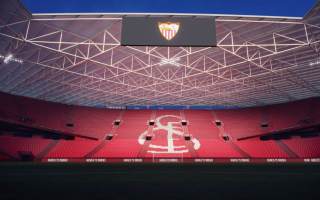 In Seville, key declarations have been made about the stadium’s future. Sevilla FC plans to build a new Estadio Ramón Sánchez-Pizjuán on the same site, increase capacity and preserve its legendary atmosphere. The president insists the project will finance itself and become a pillar of the club’s long-term stability.
Advertisement
Sevilla FC president on the future of the stadium and a potential move to La Cartuja
The president of Sevilla FC, José María del Nido Carrasco, broke two months of public silence to address growing speculation about the future of Estadio Ramón Sánchez-Pizjuán. In an interview with Canal Sur Radio, he firmly stated that the club is not considering a permanent move to Estadio La Cartuja. According to him, theories about a definitive relocation are unfounded and do not reflect the board’s actual plans.
He made it clear that if matches were to be played at La Cartuja, it would be a purely technical and temporary solution. Such a scenario could occur in the period between demolishing the current stadium and completing the new one. Although no detailed logistical schedule has been presented yet, the message from the board is unequivocal: Sánchez-Pizjuán remains Sevilla’s home. The statement was intended to reassure supporters concerned that a temporary move could become permanent, particularly given the club’s financial difficulties.
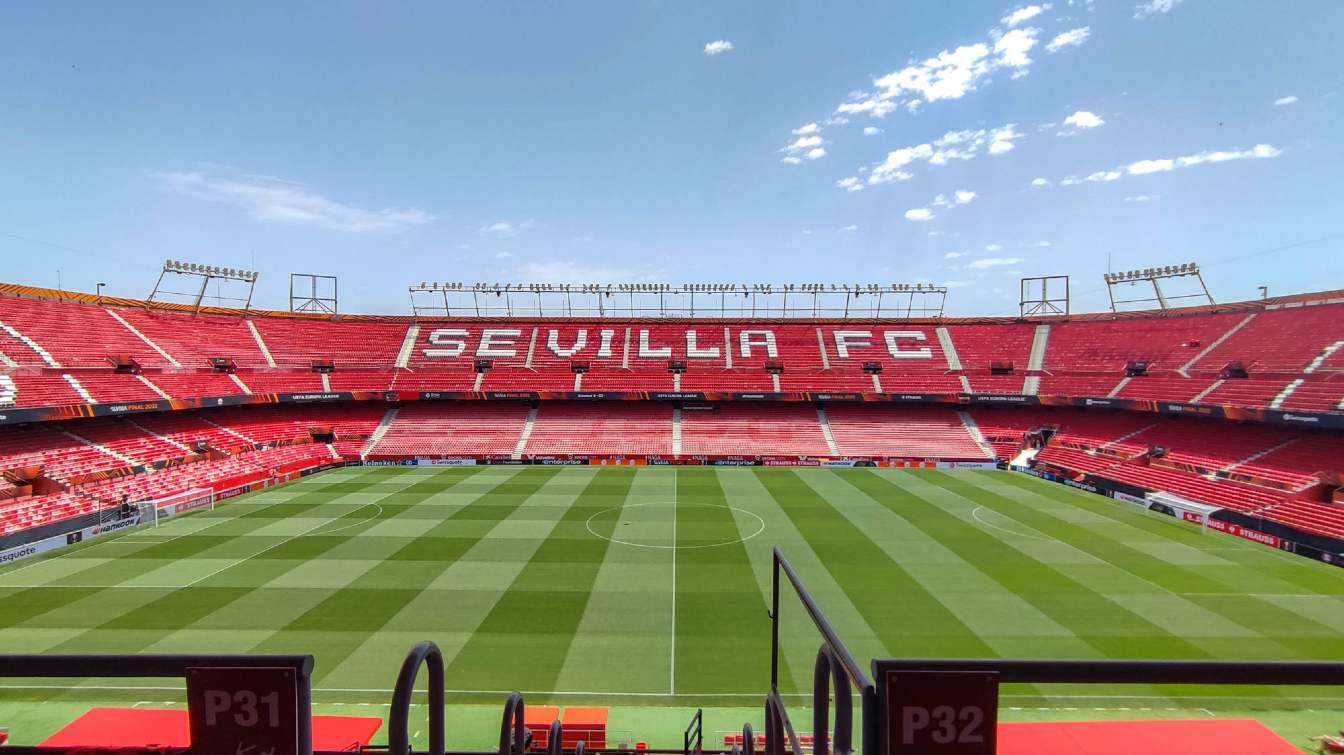 © Fabián Bravo Guerrero (Kato) | The Ramón Sánchez-Pizjuán stadium was inaugurated in 1958.
Del Nido Carrasco denies plans to sell stadium land
One of the most sensitive issues has been the potential rezoning of the stadium land. Public speculation suggested that a new owner might attempt to convert the site for real estate development. The president categorically rejected these claims. He stressed that no one at the club is considering a change in land classification and that the sole objective is to build a new stadium on the same site. He also pointed out that the stadium’s location in the Nervión district makes commercially attractive rezoning practically impossible.
Financing the new Ramón Sánchez-Pizjuán
Amid Sevilla’s difficult economic situation, the president was asked whether the club can realistically fund such an ambitious project. His response was clear: the stadium will be financed under a model in which the facility pays for itself.
Del Nido Carrasco explained the difference between financial restrictions on transfers and infrastructure investment. Signing players requires compliance with strict LaLiga financial regulations. Stadium financing, however, operates under a different framework—through loans secured against future revenues generated by the venue. In practice, this means the new stadium is expected to deliver higher matchday income, hospitality revenue, commercial events, and stadium tourism, enabling the club to service the investment debt.
Preserving historical identity
The concept of the new Ramón Sánchez-Pizjuán combines modern infrastructure with the preservation of the stadium’s unique character, which has been the heart of Sevilla FC since 1958. As Del Nido Carrasco emphasized, the new ground should resemble the current stadium in terms of pressure and proximity of the stands, while meeting the demands of modern football and commercial operations.
The key principle is to build on the same site without increasing the structure’s height. To raise capacity from around 43,000 to 55,000 seats, the pitch will be lowered, creating a steeper and more compact bowl. This architectural move aims to intensify the cauldron
effect and bring supporters even closer to the action.
Gol Norte as a unique wall of support
The preliminary concept has been prepared by architect César Azcárate from IDOM. His experience in designing modern football venues is expected to ensure that the new Sánchez-Pizjuán will be both functional and distinctive in atmosphere. Azcárate has announced that the interior will be designed to concentrate fan energy onto the pitch, with a special focus on the Gol Norte stand.
Gol Norte is set to become a single, steep red wall,
inspired by solutions seen in Dortmund and London. The new design foresees one continuous stand without structural divisions allowing thousands of supporters to form a visually and acoustically powerful wall of support.
The remaining stands—Gol Sur, Fondo and Preferencia—will retain a more classic three-tier structure. The middle tier will be dedicated to hospitality areas, boxes and VIP spaces, significantly boosting matchday revenues.
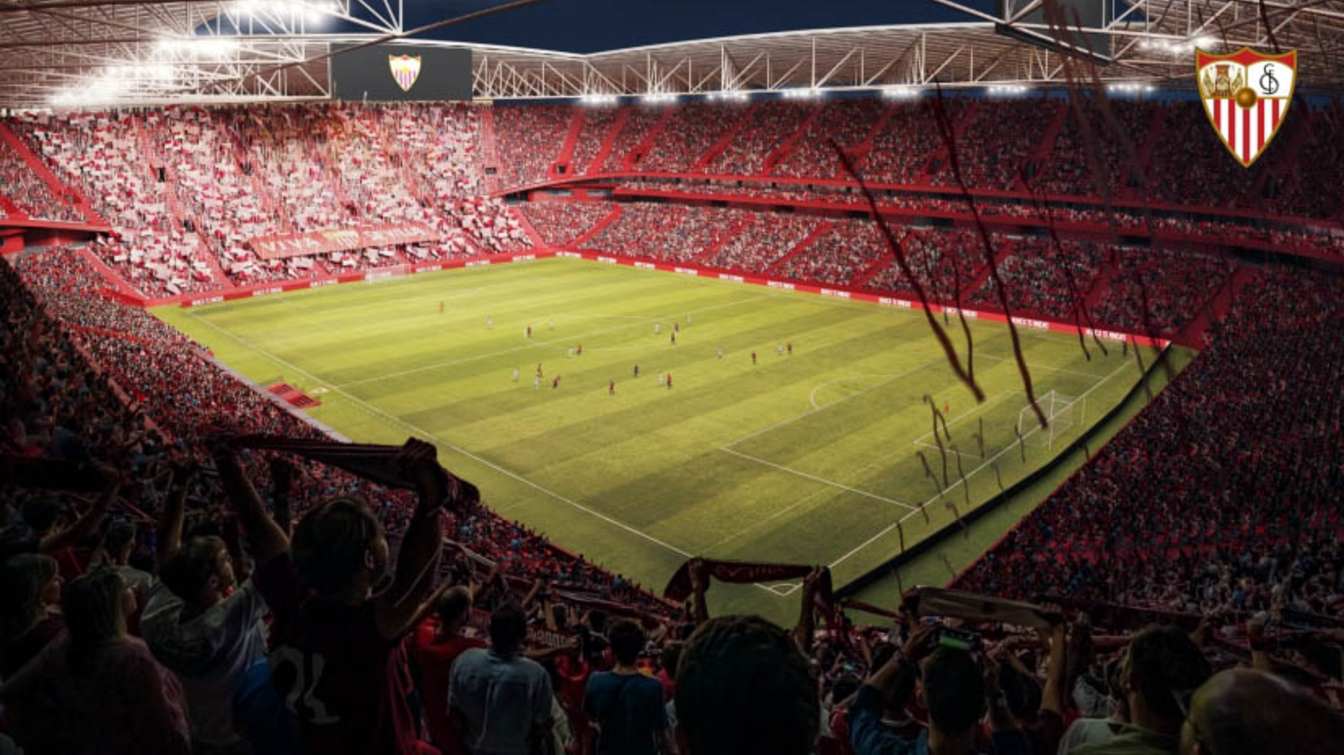 © Sevilla FC, IDOM | Sevilla's new stadium will have a full roof and a capacity of 55,000 spectators.
Modern interiors and year-round commercial use
The project extends far beyond rebuilding stands and increasing capacity. It includes a comprehensive administrative and business hub, transforming the stadium into a multifunctional operational center for Sevilla FC. The facility will house modern offices integrating club structures, as well as a larger, more representative official store designed for both matchday traffic and the growing number of year-round visitors.
A key feature will be a new, more interactive and multimedia club museum. Beyond showcasing Sevilla’s history, it is intended to become a permanent tourist attraction in Nervión. The club has recorded steady growth in stadium tours—approaching 100,000 visitors annually—and the new infrastructure aims to strengthen this trend and align with Seville’s strategy of dispersing tourist traffic.
The stadium will also feature expanded event spaces and conference rooms, enabling the hosting of congresses, galas, business meetings and corporate events outside the sports calendar. A significantly enlarged hospitality area—with boxes, VIP lounges and flexible banquet halls—is expected to become a major commercial revenue source. The project will be complemented by a two-level underground parking facility for staff, business partners and premium guests.
Both club executives and the architect stress that the stadium must operate 365 days a year, not only on matchdays. The new Sánchez-Pizjuán is designed as an active and revenue-generating space regardless of sporting results. The financing model assumes that higher capacity, expanded VIP offerings, intensive event activity and increased tourism will generate stable and higher income. In the long term, the stadium is expected to become one of the pillars of Sevilla FC’s financial recovery and stability.
Advertisement