 StadiumDB
Morocco: Support Stade Olympique de Rabat in the Stadium of the Year 2025 public poll
source: StadiumDB.com ; author: Paulina Skóra
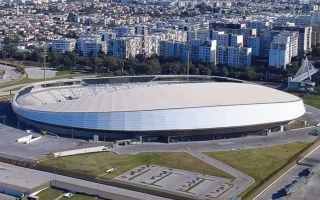 Stade Olympique de Rabat is one of the most modern athletics venues built in North Africa as part of Morocco’s ambitious sports infrastructure programme. Opened in 2025, the stadium continues the long tradition of hosting the prestigious Meeting International Mohammed VI d'Athlétisme. The arena combines high international sporting standards with symbolic architecture inspired by regional design.
Advertisement
Construction of Stade Olympique de Rabat
At the end of July 2023, demolition of the old Stade Moulay Abdellah began, and in its place a modern football arena with a capacity of about 68,700 spectators was planned, designed without an athletics track. The stadium was intended to become the main stronghold of AS FAR Rabat and one of the key venues for the FIFA World Cup 2030.
Since the sports authorities did not want to abandon traditional athletics competitions held in Rabat, it was decided to build a separate Olympic stadium next to the new football arena. Construction work on the athletics facility began in early 2024. The implementation was carried out in such a way that the athletics stadium was completed first and opened on 25 May 2025, when Rabat once again hosted the Meeting International Mohammed VI d'Athlétisme after a one-year break.
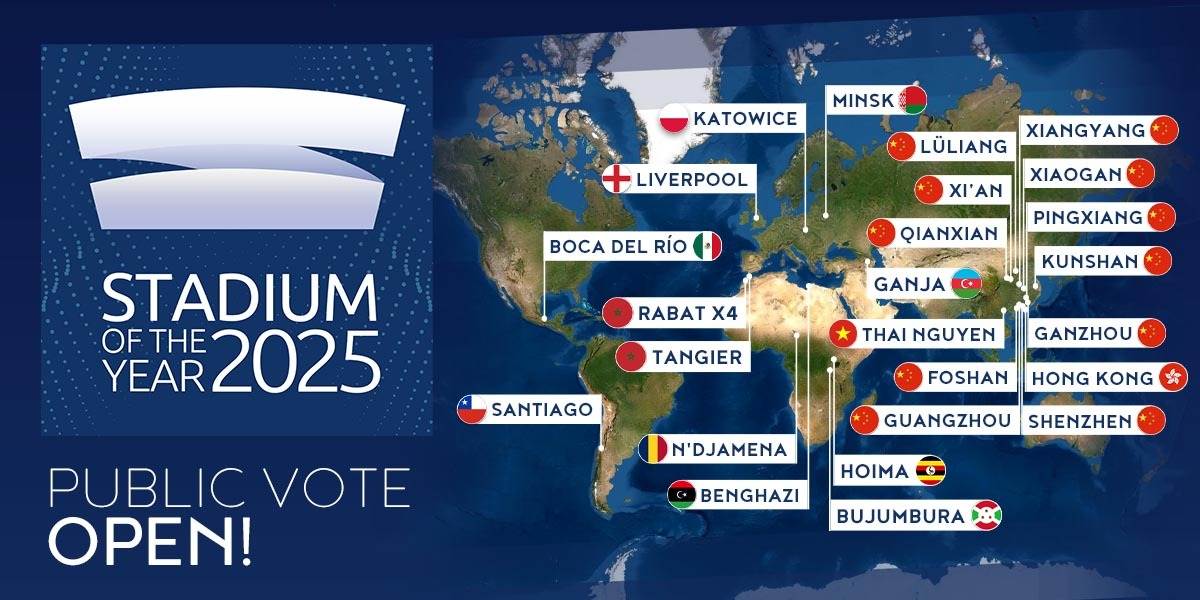
If you appreciate the development of modern sports arenas in Africa and want to support the candidacy of this venue, vote for Stade Olympique de Rabat in the Stadium of the Year 2025 poll and help highlight one of the most interesting Olympic stadiums on the continent.
Characteristics of Stade Olympique de Rabat
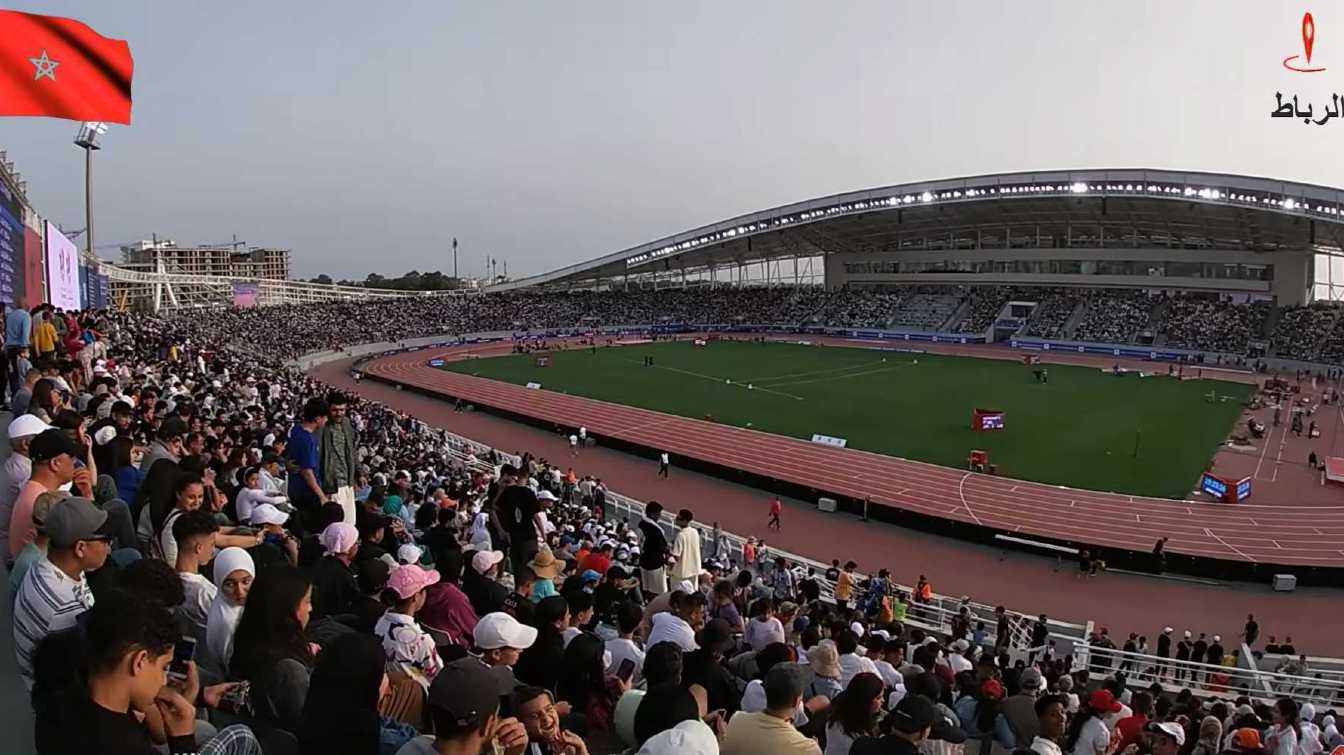
The new stadium is equipped with a 9-lane athletics track meeting the highest international competition standards. The track surrounds an oval ring of stands that can accommodate about 21,000 spectators. One of the most distinctive architectural solutions is the separation of the track from the seating area by a deep technical ditch, which improves visibility and safety during sporting events.
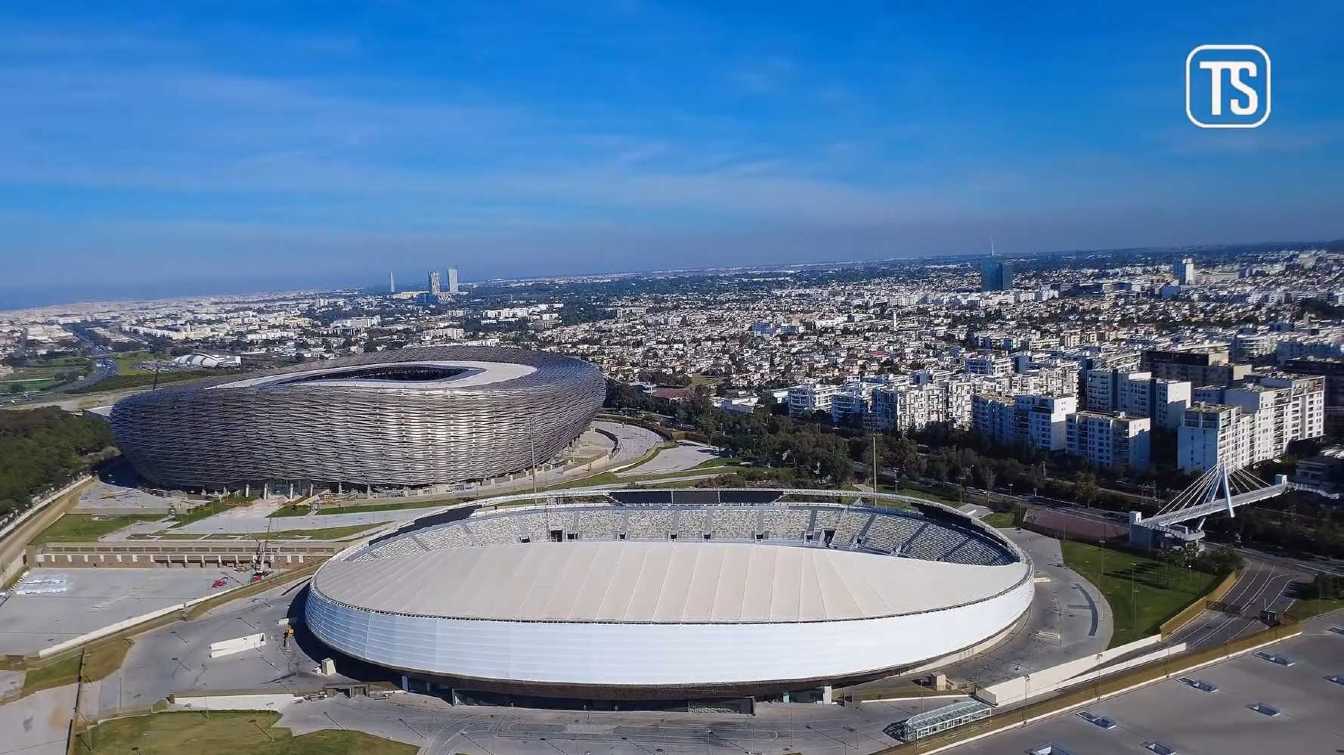
The main stand is located on the western side of the stadium and is covered by a crescent-shaped membrane roof inspired by regional architectural symbolism. The seats are kept in light, calm colours, while floodlight masts are installed on the eastern side of the facility. On the opposite side, a system of screens and structures for hanging banners and promotional materials has been installed. The stadium is multifunctional and, besides athletics, can also host football matches played inside the track ring. From the stands, the neighbouring football giant, Stade Moulay Abdellah, is clearly visible.
 ©
© Sporting events at the stadium
The facility was built as a successor to the demolished Stade Moulay Abdellah and took over its role in hosting athletics events, including the prestigious Diamond League meeting. The stadium can also host football matches. From the beginning, it was planned to organise matches as part of three major international tournaments.
In July 2025, matches of the Africa Women’s Cup of Nations 2024 were played there, including the opening match and the final, in which the Nigeria women's national football team defeated the Morocco women's national football team 3–2. The stadium was also one of the hosts of the FIFA U-17 Women's World Cup 2025, where the opening match and the final were played, while three group-stage matches of the Africa Cup of Nations 2025 were scheduled.
 © قف
© قف
Location of the stadium
Stade Olympique de Rabat is part of the larger Complexe sportif Moulay Abdellah, which also includes a 10,000-seat entertainment hall, an indoor swimming pool, and a new training track located right next to the athletics stadium.
The complex is situated on the southwestern outskirts of Rabat, near the railway line leading towards Casablanca, as well as in the vicinity of a park and a zoo. Transport accessibility is provided by the city’s main bus station and the planned high-speed rail station in the Hay Riad district.
Advertisement