 StadiumDB
Vietnam: Vietnam is set to build a huge 70,000-capacity stadium
source: StadiumDB.com ; author: Paulina Skóra
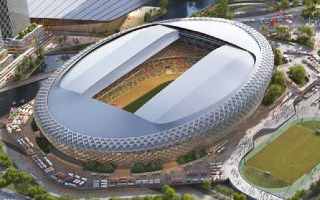 The new Rach Chiec Stadium in Ho Chi Minh City is set to combine modern architecture with advanced technology adapted to a tropical climate. The sports project forms part of a broader vision for urban development and signals one of the region’s most ambitious infrastructure investments.
Advertisement
Advanced stadium technology adapted to a tropical climate
At the heart of the project will be the Rach Chiec Stadium, designed with a maximum capacity of 70,000 seats. The venue features a futuristic architectural concept inspired by the water palm leaf, a plant closely associated with southern Vietnam’s landscape. The stadium will be equipped with a retractable roof, advanced acoustic insulation systems and one of the most sophisticated climate-control installations currently planned for a sports venue, allowing temperature regulation by individual seating zones.
These technological solutions are crucial given the climatic conditions of Ho Chi Minh City. Zoned temperature control is intended to ensure spectator comfort during sporting events, concerts and large-scale entertainment shows alike. The aim is for Rach Chiec Stadium to operate year-round, regardless of weather conditions.
Rach Chiec National Sports Complex as an Olympic sports hub
The stadium is only one element of a much broader development. The Rach Chiec National Sports Complex has been conceived as a multifunctional hub capable of hosting around 90 per cent of Olympic disciplines. Alongside the main stadium, the project includes a network of indoor halls and specialist facilities designed for international competitions, training programmes and community use.
Plans include a multifunctional indoor arena and a Performance Arena covering a combined area of approximately 10 hectares, with seating for up to 18,000 spectators. These venues will be suitable for indoor sports, concerts and hybrid events combining sport and entertainment. The complex will also feature an aquatics centre meeting international standards for swimming, diving and water polo, as well as a tennis centre designed for tournaments and elite training. Additional facilities will include fitness areas, auxiliary courts and rehabilitation infrastructure for athletes.
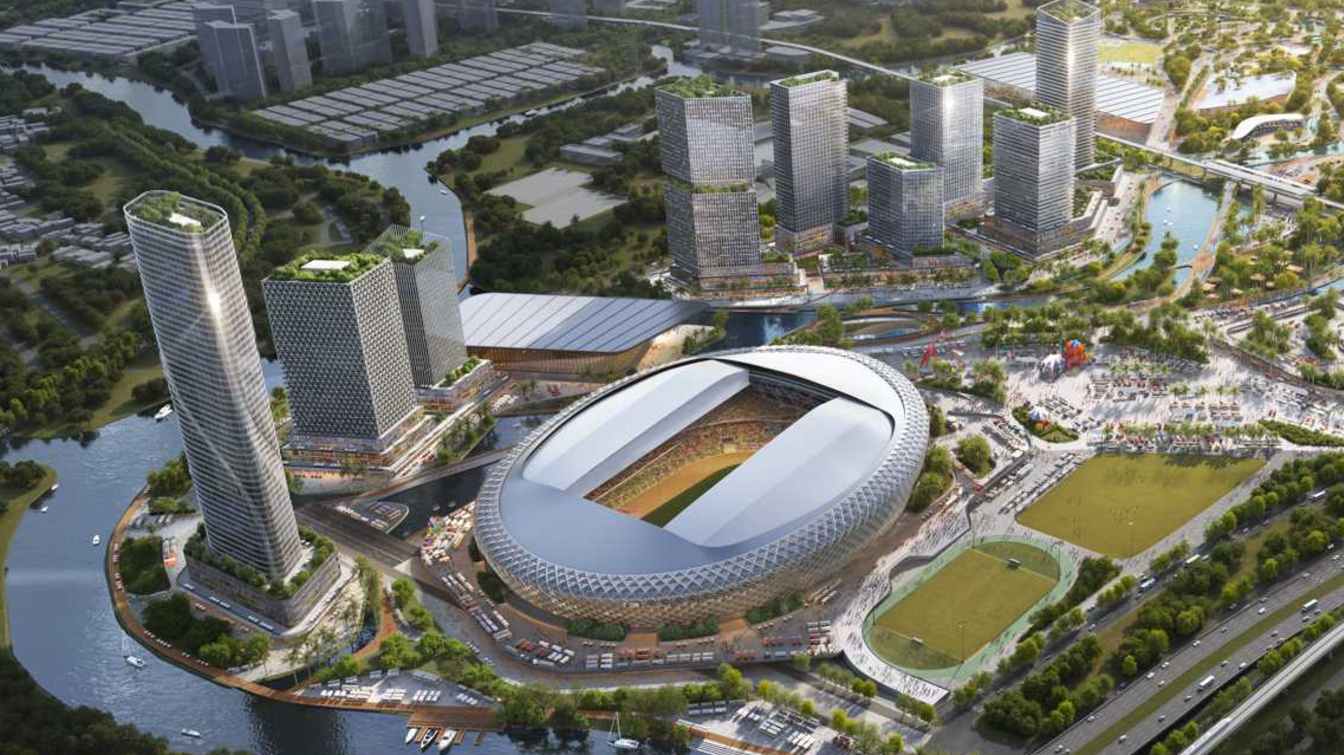 © Populous |The stadium will be equipped with a retractable roof, advanced soundproofing systems and one of the most modern air conditioning installations in the world.
Urban regeneration around the Rach Chiec complex
The project extends well beyond sport. Construction of the Rach Chiec National Sports Complex is closely linked to the wider redevelopment of this part of Ho Chi Minh City. The surrounding area will include large public parks, open plazas and green spaces designed as ecological buffers and recreational zones for residents. Waterfront areas and open-air spaces are intended to host physical activity, outdoor events and everyday leisure.
The ambition is for the complex to become an integrated part of the city’s urban fabric, rather than a closed venue activated only during major events. The development also includes a large conference centre and a hotel and commercial zone, aimed at supporting international exhibitions, business events and tourism.
Economic impact of the Rach Chiec stadium and complex
By combining sport, entertainment and business functions, Rach Chiec is expected to become a new economic driver for the eastern districts of Ho Chi Minh City. Authorities are counting on increased tourism, job creation and long-term economic benefits linked to hosting events with global reach.
Given the scale of the project, its architectural ambition and the size of the main stadium, Rach Chiec is intended to position itself among the most recognisable sports venues in the region. The investment is seen as a strategic foundation for Vietnam’s future bids to host major international tournaments or even the Olympic Games, while also reflecting the rapid transformation of Ho Chi Minh City into a modern metropolitan centre.
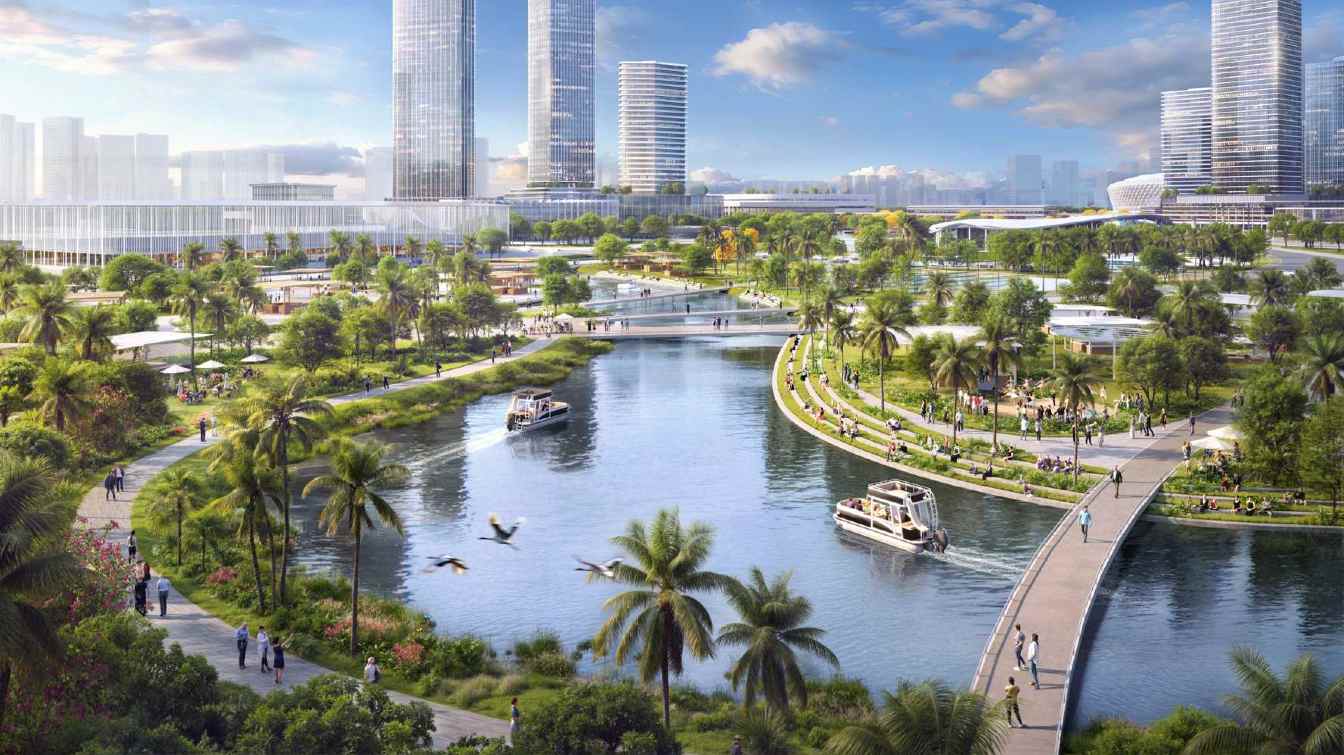 © Populous | Extensive parks, public squares and green areas are planned around the sports facilities.
Advertisement