 StadiumDB
Sweden: Artistic visions for Malmö's new stadium. Two major open calls announced
source: StadiumDB.com ; author: Paulina Skóra
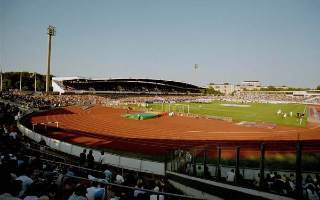 Malmö is gearing up for one of the most significant sports and cultural investments in recent decades. The construction of a new stadium is not only a response to the needs of modern sports infrastructure but also an ambitious artistic and urban project. An integral part of this transformation will be public art, embedded in the thematic concept of "Tidsbågar" (Time Arcs) – a reflection on the passage of time, changes in space, and the traces left by humans.
Advertisement
Two artistic commissions – one story of transformation
The project includes two distinct yet complementary artistic commissions, aimed at professional artists and artistic groups interested in cultural heritage and contemporary urban development.
The first commission involves creating a permanent, integrated artistic installation that will become part of the new stadium or its immediate surroundings. The work must be physically present, tangible, and clearly visible, while being strongly tied to the character of the place – an architectural icon and social hub through which thousands of people pass daily. The budget for implementation is SEK 5 million (excluding VAT), with completion planned for the turn of 2028/2029.
The second commission is research-based and documentary in nature. The artistic team will accompany the process of dismantling and demolishing the old stadium and constructing the new one, creating an artistic narrative around the transformation of the site. The outcomes should be lasting traces of the process – including film, sound, photography, moving images, or an archive – deeply rooted in the history and collective memory of the stadium.
The budget for this commission is SEK 1 million (excluding VAT), with completion also targeted for 2028/2029. Residents and fans are interested in the project and its details, although sport attracts most of the attention. The local football league is unpredictable, which encourages many people to follow betting on domestic matches as well as European competitions.
Modern betting sites enable real-time wagering on sports events, access to a wide range of leagues and competitions, and tracking of odds and statistics, keeping the excitement of sports at your fingertips.
Art as part of the stadium's identity
Malmö Konst is responsible for implementing and coordinating the artistic projects, for whom art in public spaces is a key element of the city's long-term development. In collaboration with artists and municipal institutions, the organization aims to make artistic interventions a permanent and natural part of residents' daily lives.
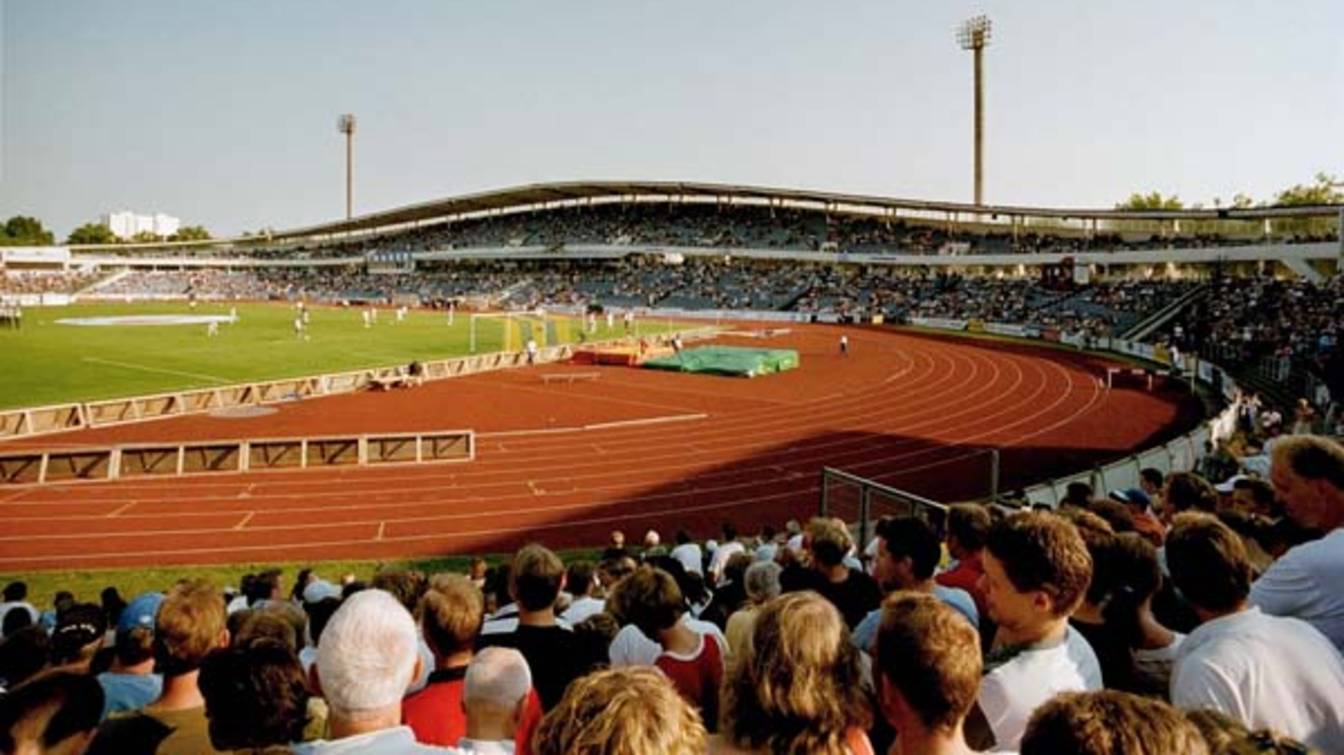
Stadionområdet area is a space with an exceptionally rich identity: deeply rooted in 20th-century sports history, yet open to new forms of encounters, education, and events. It is a place in motion
– physical, social, and symbolic – where art can serve as a carrier of memory and a catalyst for new experiences.
 ©
© Stadionområdet – the sports heart of the city
Stadionområdet is one of Europe's largest urban sports complexes. Nearly 80 different entities operate here, and many sports federations have located their headquarters, competency centers, and national team facilities in the area. It combines elite sports, education, and mass events, offering infrastructure for top athletes as well as children, youth, and amateurs.
This unique combination of functions – training, educational, and spectacular – sets Stadionområdet apart from other European sports complexes.
Why a new stadium is needed
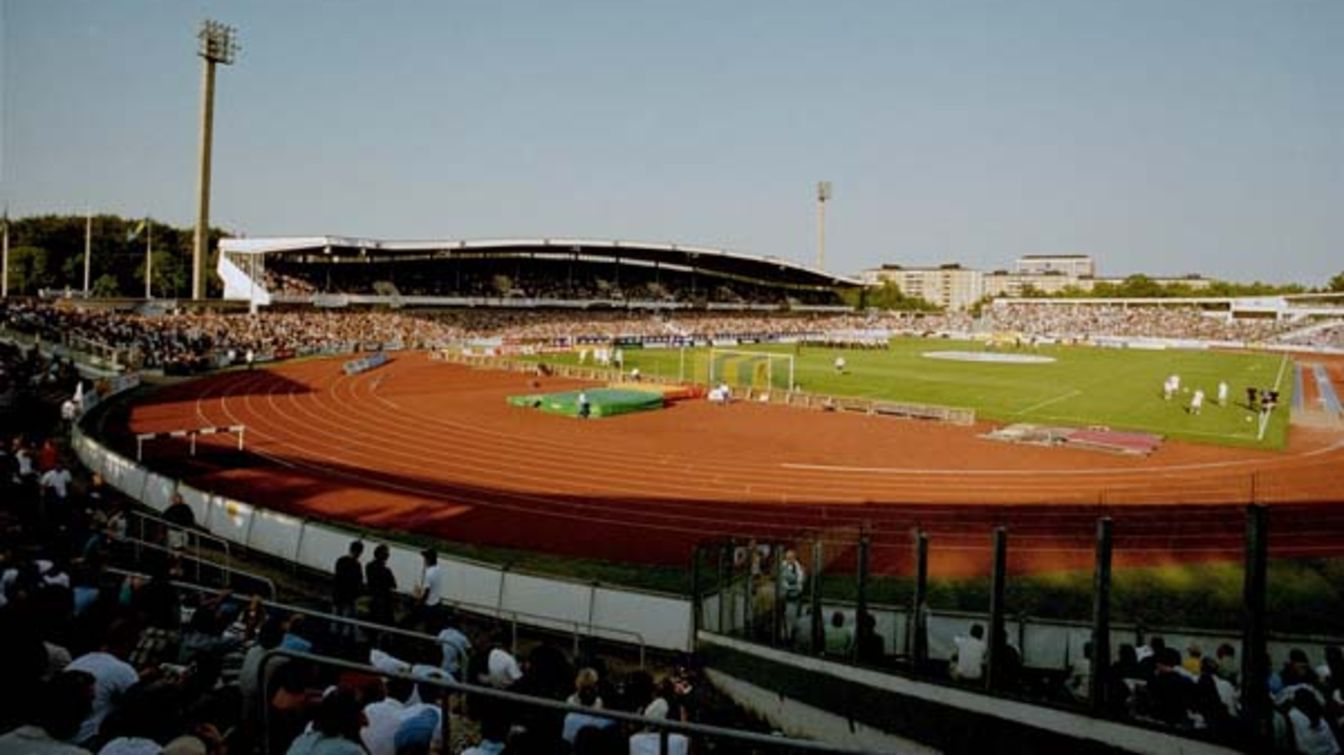
Malmö Stadion, opened in 1958, no longer meets contemporary technical and functional standards required for major sports events and international competitions. It also lacks adequate training and starting spaces for many clubs and associations operating in the area.
The new Malmö stadium will serve both athletics and football, becoming a modern, accessible, and multifunctional meeting place for athletes, students, fans, visitors, and Malmö residents.
 ©
© Architecture of the future with respect for the past
Skanska is responsible for the investment, which, in collaboration with the City of Malmö, conducted an architectural competition. The winning team – C.F. Møller Architects, Elding Oscarson Arkitekter, and DIFK – is handling both the architectural form and functionality of the facility, with particular emphasis on the needs of athletes and audiences.
While the new stadium will symbolize the future, the project also preserves significant cultural values. For example, two monumental murals by C.O. Hultén – Målning för ungdom
(1958) – will be restored and relocated to become part of the new stadium space.
Completion of construction is planned for the turn of 2028/2029 – a moment when sport, architecture, and art will converge in Malmö's new heart.
Advertisement