 StadiumDB
Northern Ireland: Casement Park set for renovation to finally begin. Too late for Euro 2028?
source: StadiumDB.com; author: Paulina Skóra
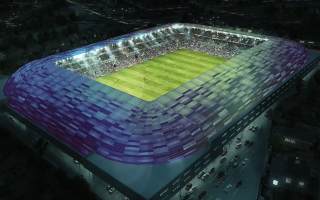 After long months of silence, Casement Park is back in the spotlight. A new phase of preparations is beginning in Belfast, reviving a stadium project that for years has stirred emotions — caught between hopes for a sporting future and the uncertainty that still surrounds it.
Advertisement
Casement Park construction resumes after months of stagnation
The first preparatory works at Casement Park were carried out at the start of 2024. They included site clearance, removal of floodlight masts, geotechnical surveys and securing the land. Since then, the construction site has remained silent, feeding scepticism among the local community. That is now set to change. From the week beginning 26 January, the contractor is expected to move into full site preparation, followed by the demolition of existing structures, including the stadium’s main stand. This marks the real start of the project, not just a symbolic gesture.
One of the most visible consequences of this new phase will be the removal of the current stadium infrastructure. The existing complex also houses a social club that has long served as a meeting point for the local community. Under the plans, it will be relocated to a temporary venue for the duration of the works. For many residents of west Belfast, this moment symbolises the end of one chapter in Casement Park’s history and the start of another – more modern, but also burdened with high expectations.
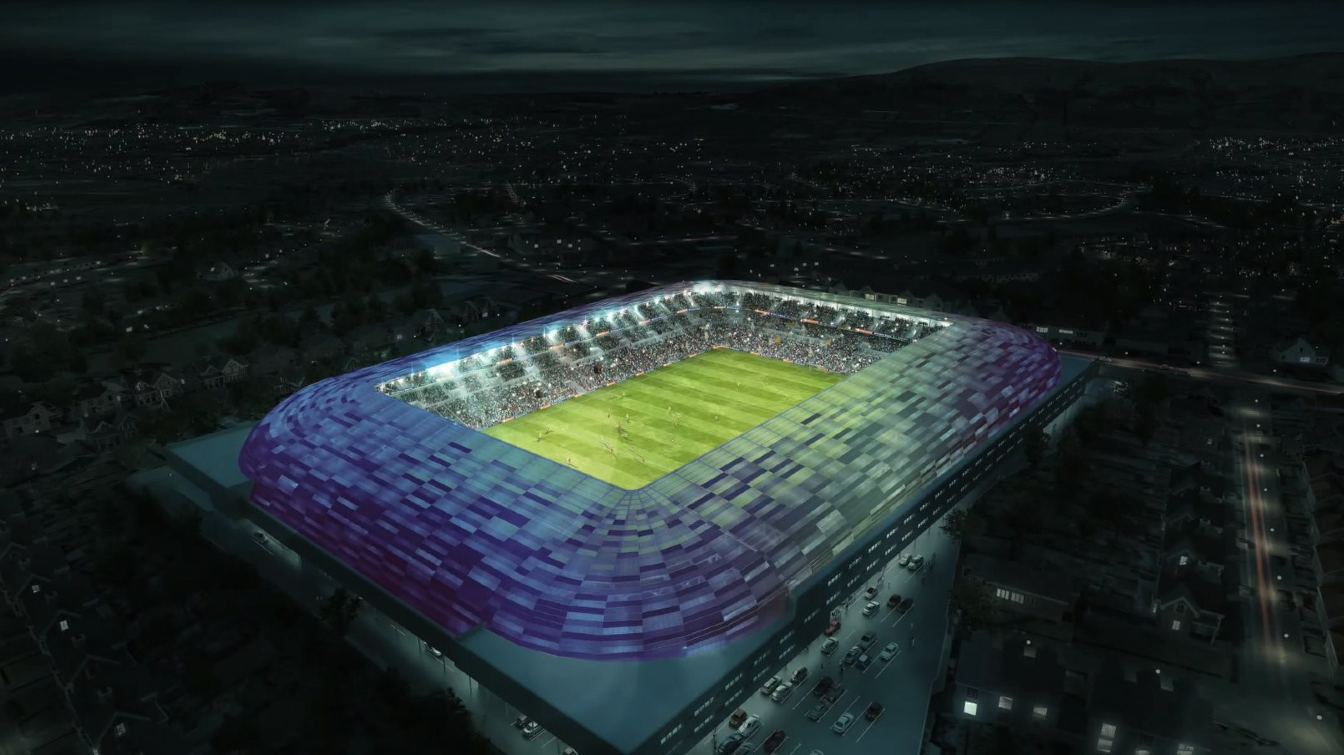 From the week beginning on 26 January, the contractor is expected to begin the proper site preparation, followed by the demolition of existing structures, including the main stand of Casement Park.
Casement Park as a social and regional project
In its communications with residents, Ulster GAA stresses that the Casement Park redevelopment is not merely a sports investment. The new stadium is intended to function as a project of social and economic significance, delivering long-term benefits to the district and to Northern Ireland as a whole.
Plans envision a modern provincial stadium capable of hosting major Gaelic games events, concerts and large-scale gatherings. This argument has long been one of the main pillars of support for the project.The original stadium design, approved in 2013, called for a 38,000-seat venue with an estimated cost of £78.5 million. A year later, the project was overturned following a judicial review, triggering years of deadlock. A revised version approved in 2021 reduced capacity to 34,500. Smaller in scale, but still among the largest sporting venues in Northern Ireland, it is meant to become the central hub of Gaelic sport in the region.
Rising costs and the funding gap
Finances remain the project’s biggest challenge. According to figures presented by the GAA in 2024, the total cost of the redevelopment has risen to around £260 million – more than three times the original estimate. Inflation, design changes and soaring construction costs have all played a role. Currently, secured funding stands at £170.5 million. This includes contributions from the Northern Ireland Executive, the GAA, the UK government and the Irish government. However, tens of millions of pounds are still missing to fully close the budget.
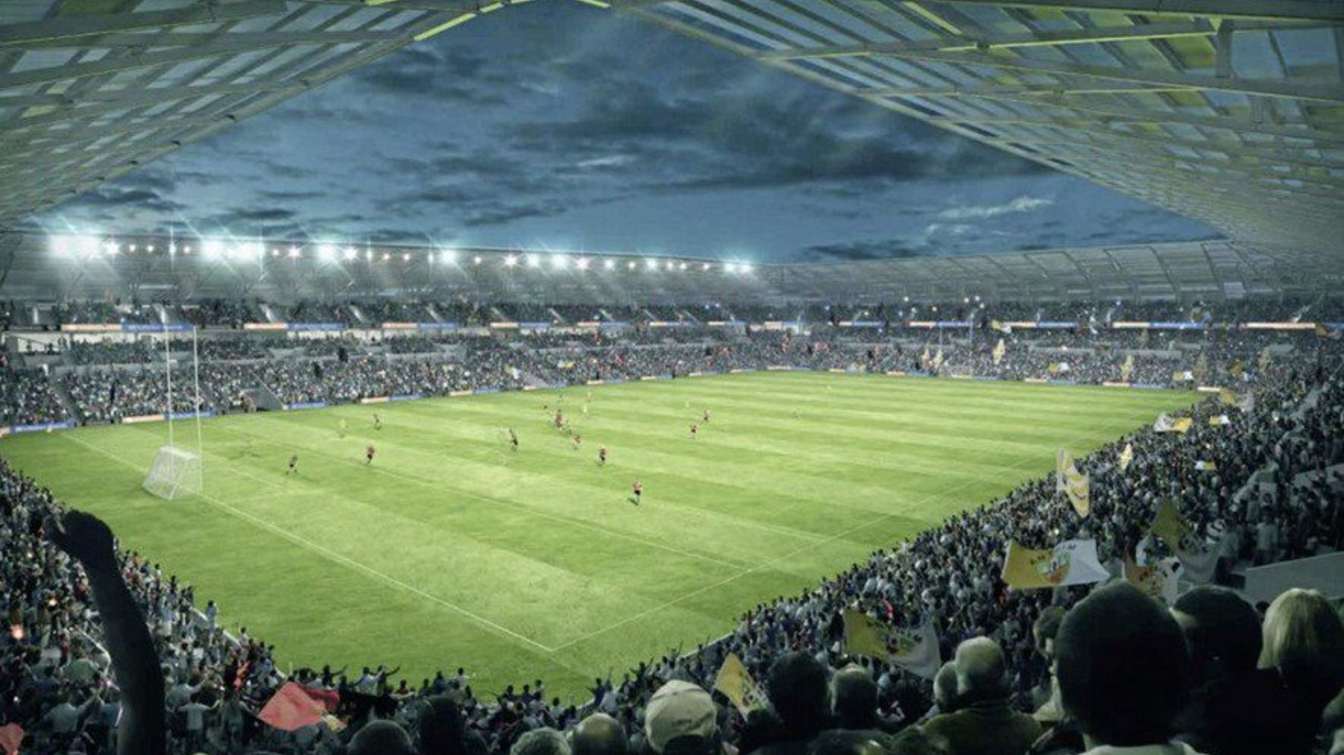 The modified version of the Casement Park project, approved in 2021, provides for a stadium with a capacity of 34,500 spectators.
Expiring planning permission and pressure on the timeline
Time pressure adds another layer of complexity. The current planning permission expires in July. If construction does not genuinely begin before then, the entire administrative process would have to start again. That is why Ulster GAA and regional authorities are increasingly talking about a phased construction approach. This would allow works to begin under the existing legal framework, while buying time to secure the remaining funds.
Ulster GAA secretary Brian McAvoy has confirmed that the phased delivery model has been accepted. The stadium could therefore be built in several stages, gradually increasing its scale and functionality. It is not an ideal solution, but a pragmatic one – aimed at avoiding the loss of planning permission and finally moving Casement Park from years of plans and disputes into tangible change on Belfast’s sporting and urban map.
Casement Park, Euro 2028 and Belfast’s missed opportunity
Casement Park had initially been earmarked as a football venue for Euro 2028. In February 2024, representatives of UEFA even visited the stadium, but the lack of firm financial guarantees proved decisive.
In September, the UK government officially confirmed it would not cover the remaining funding gap, leading to Belfast’s withdrawal from the list of host cities. For many, it was a blow to the city’s prestige, but also a moment of realism: the cost of adapting the stadium to UEFA requirements would have pushed the budget even higher.
Advertisement