 StadiumDB
Italy: AS Roma’s new stadium in Pietralata – a project set to transform the club and Rome
source: StadiumDB.com; author: Paulina Skóra
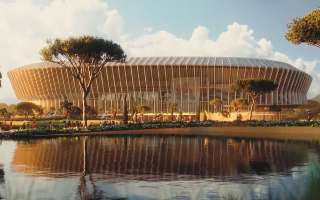 AS Roma’s new stadium in the Pietralata district is set to become more than just a football venue. The project combines a stadium, urban space and public functions, placing the club within a broader vision for Rome’s development and signalling one of the city’s most significant urban investments in recent years.
Advertisement
Building AS Roma’s new stadium as a “city within a city”
The new stadium in Pietralata is designed to be far more than just a football arena. The project includes extensive public spaces, two parks covering nearly 12 hectares, transport infrastructure, pedestrian and cycle bridges, and service facilities. The entire complex is planned to live beyond matchdays, operating seven days a week and becoming a new landmark for northeast Rome.
From an urban perspective, the project is highly significant. Pietralata has long been considered a degraded and neglected area. The new stadium is expected to kickstart a revitalization process, attracting investments, jobs, and new social functions.
AS Roma stadium capacity and stand design
The stadium will hold 60,605 spectators, with 3,237 seats reserved for visiting fans. Stands are designed to be compact, steep, and as close to the pitch as possible, in line with modern football architecture trends. The design aims to ensure excellent acoustics and intense fan support, creating an atmosphere comparable to top stadiums in England and Germany.
The most iconic feature will be the Curva Sud, a monolithic section with 22,769 seats – one of Europe’s largest single ultras sections. Curva Sud will rise 9 meters above the Curva Nord, amplifying the wall of fans
effect behind one goal. Attention to identity is key: the 22 entrances to Curva Sud will be named after the 22 historic districts of Rome, symbolically bringing the entire city onto the pitch with the team.
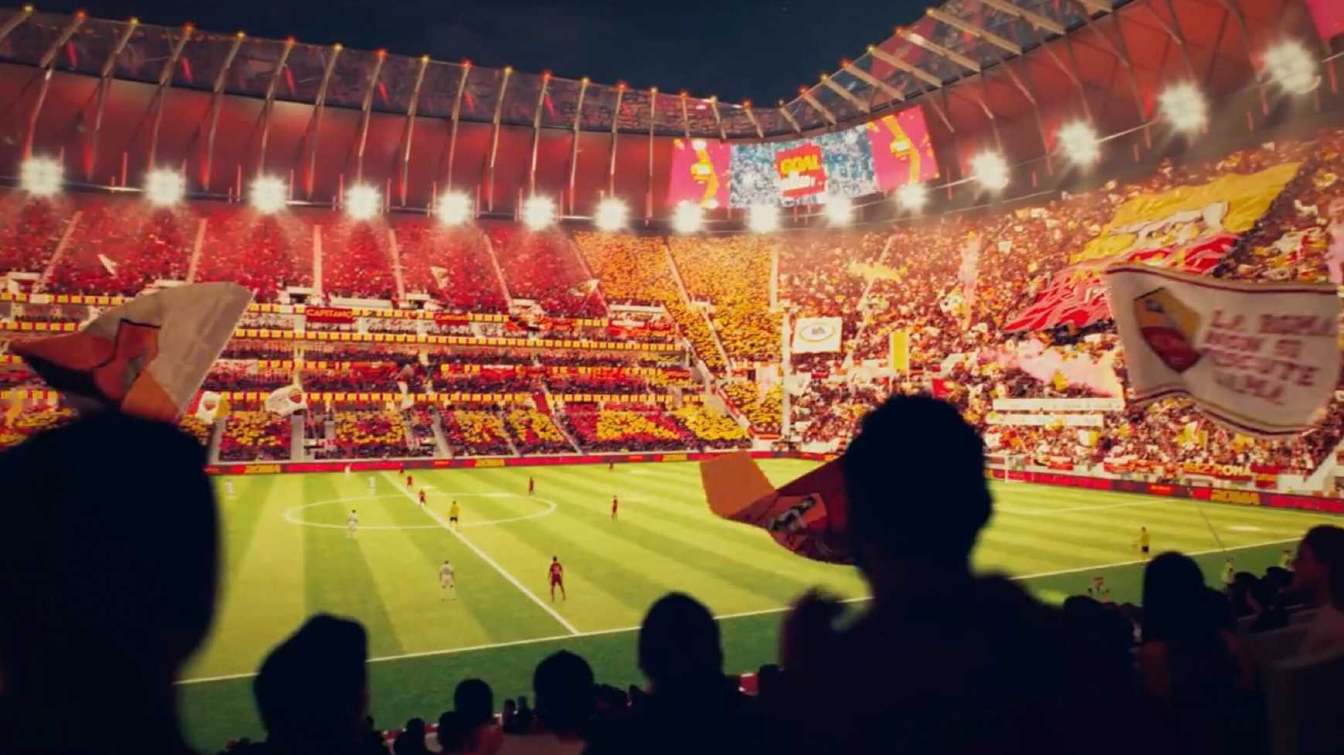 © AS Roma | The new AS Roma stadium will have a capacity of 60,605 spectators.
Construction cost and financing of AS Roma’s stadium
The financial plan breaks costs down in detail. The stadium itself will cost €633 million, parking around €50 million, green spaces €27 million, and the three pedestrian-cyclist bridges nearly €12 million. Additional expenses include upgrades to the Quintiliani metro station, technical infrastructure, taxes, and VAT, which alone exceeds €200 million.
Funding will be mixed. Approximately €600 million will come from a bank loan drawn between 2027 and 2030. Another €572 million will be equity, invested directly by the Friedkin family, club owners. The remaining funds will cover VAT and technical costs.
From its opening in 2031, the stadium is expected to generate around €153.6 million annually, rising in subsequent seasons. Ticket and season pass sales will provide the largest share (around €118 million in the first year). Revenue from naming rights, sponsorships, catering, the club museum, concerts, and other events will also be significant. After operating costs, debt service, and taxes, AS Roma anticipates around €60 million in net profit per year, potentially reshaping the club’s financial standing in European football.
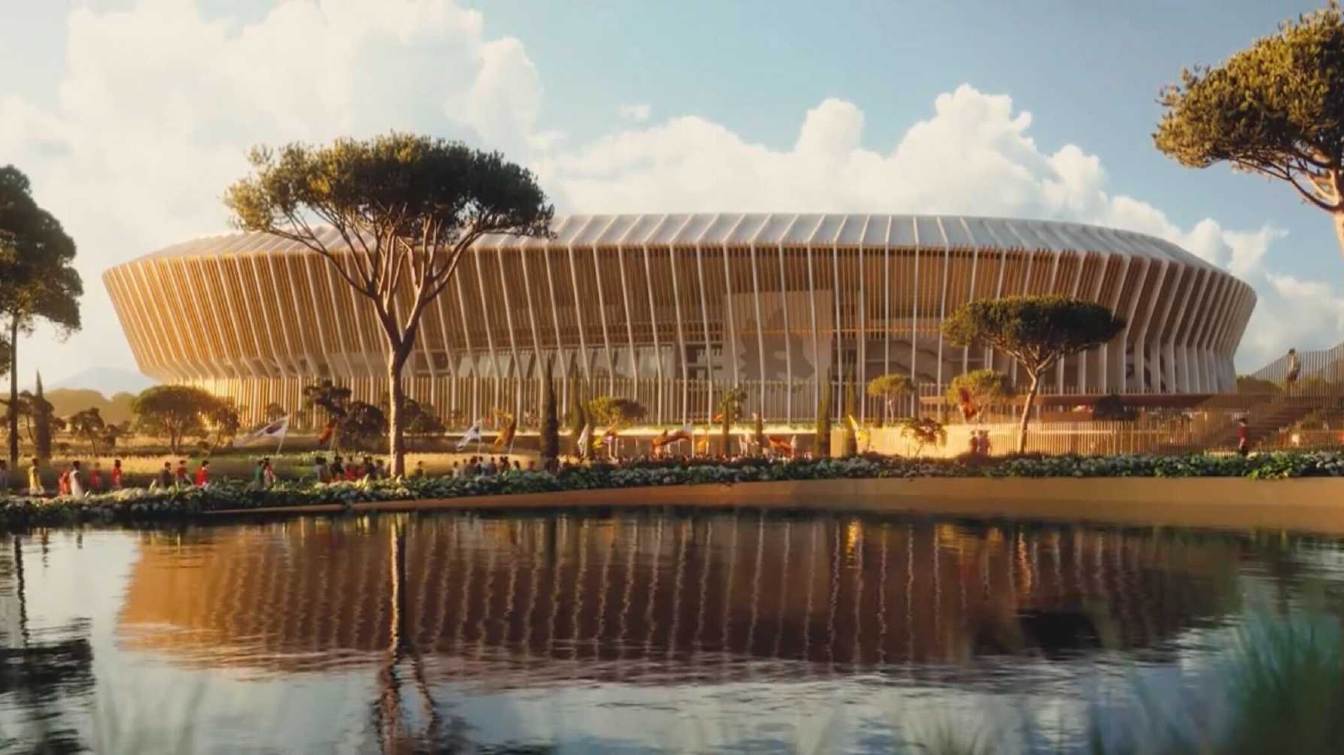 © AS Roma | The stadium in Rome will cost €633 million.
Construction timeline for AS Roma’s Pietralata stadium
Construction is expected to take 37 months. Work is symbolically set to begin in 2027, coinciding with the club’s 100th anniversary, with completion and the first official match scheduled for 2031.
Before construction can start, the project must pass several administrative steps: a services conference, completion of archaeological studies, and potential expropriations. Only then can tenders be announced and the building site opened.
AS Roma stadium and transport – metro, parking, and bridges
Mobility is a key component. Analyses show that 55% of fans will use public transport – primarily Line B of the metro and regional trains via Tiburtina station. Other supporters will rely on park-and-ride facilities, motorcycles, bicycles, and pedestrian routes.
The plan includes over 2,200 parking spaces directly at the stadium and nearly 3,000 in park-and-ride hubs. Three new pedestrian-cyclist bridges aim to ease congestion and allow fans to leave quickly after matches.
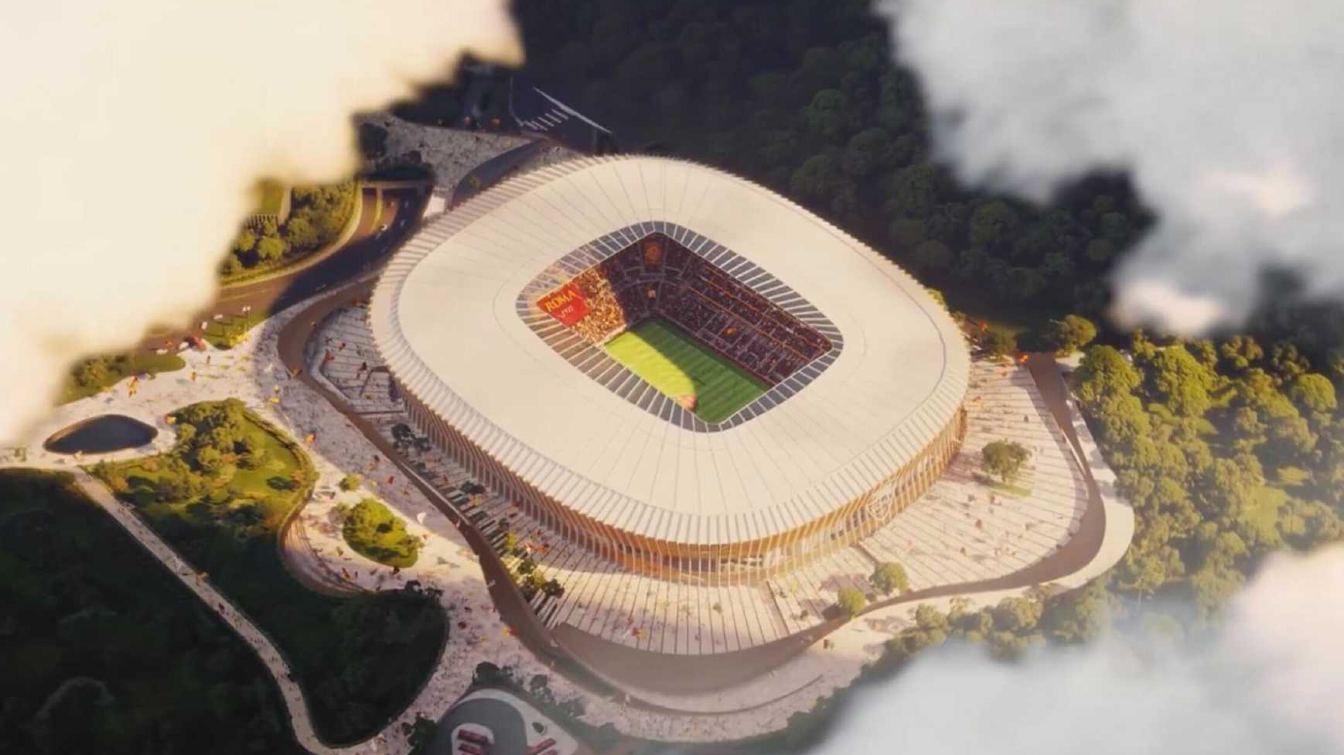 © AS Roma | The completion of the investment and the first official match are scheduled for 2031.
Archaeology, protests, and disputes around AS Roma’s stadium
One of the biggest challenges is archaeology. Traces of ancient settlements have been found in Pietralata, including parts of a Roman villa, cisterns, and tunnel networks. Additional discoveries in nearby areas – graves, roads, and sanctuaries – have raised concerns among heritage authorities, who demand full excavation before construction.
At the same time, citizens’ committees oppose the project, citing risks of over-urbanization, environmental pressure, and traffic disruptions. Proponents argue that the stadium will bring revitalization, new green spaces, and better infrastructure. The debate is not only about sports but also political and social issues, and its outcome will affect the pace of the project.
Advertisement