 StadiumDB
England: Recommendations for the expansion of Vitality Stadium. When will work begin?
source: StadiumDB.com; author: Paulina Skóra
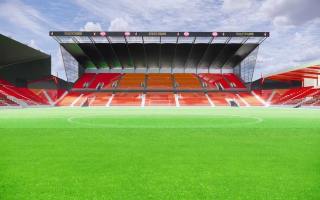 Vitality Stadium in Bournemouth is entering a decisive moment in its history. Approval for the preparatory works opens the way for a long-planned expansion, set to transform the scale of the venue and align it with the realities of the Premier League.
Advertisement
Scope of preparatory works at Vitality Stadium
Preparatory works for the expansion of Vitality Stadium have received a recommendation for approval from the eastern planning committee of Bournemouth, Christchurch and Poole Council. The decision concerns so-called enabling works, meaning construction activities that make it possible to start the main investment while the current football season is still ongoing.
The recommended package of works, valued at approximately £3.5 million, includes the construction of a new perimeter fence around the stadium, the installation of new entrance turnstiles, the expansion of the main stand, and the construction of foundations for a new South Stand. These elements are intended to ensure a smooth transition to the next stage of the project without the need to suspend league matches at the venue.
The documentation emphasizes that submitting an application for preparatory works ahead of the full expansion project is of key organizational importance. Thanks to early approval, the club gains certainty that the works can be carried out efficiently before the off-season break, leaving the summer period for construction directly related to increasing the stadium’s capacity.
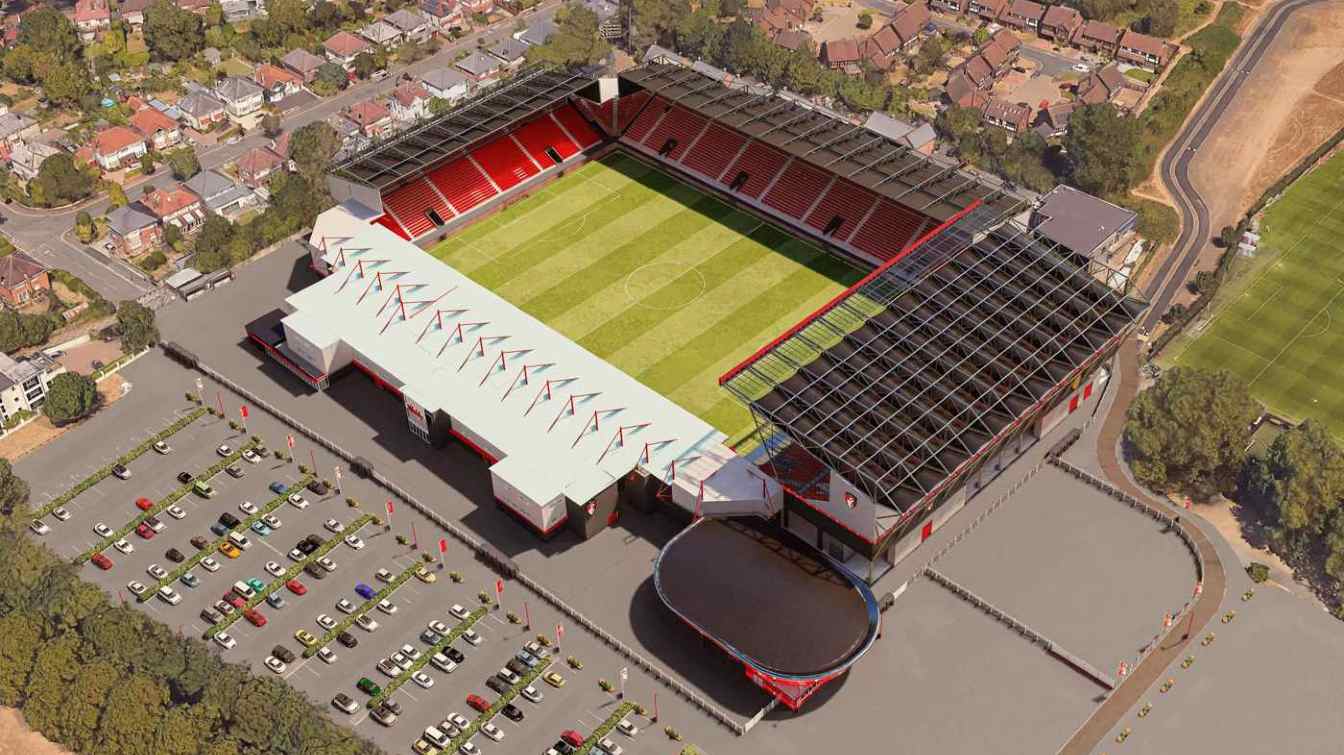 © AFC Bournemouth | Even after a significant expansion, Vitality Stadium will remain one of the smaller stadiums in the Premier League.
Decision of the Bournemouth planning committee
The eastern planning committee of BCP is scheduled to formally discuss the project at a meeting planned for the coming days. The agenda includes an officers’ report recommending approval of the investment, subject to the fulfillment of specific conditions. These include, among others, the submission of a detailed parking management plan addressing the loss of parking spaces, the introduction of a reservation system, and the planting of cherry trees. In addition, the investment is to be covered by a Section 106 agreement, regulating the club’s obligations towards the city and the local community.
One of the key issues raised in the report is parking. During construction, 161 parking spaces will be temporarily lost, and after completion the net balance is expected to result in a loss of 155 spaces. The transport and highways department, the only consulted body to raise objections, ultimately described the proposed solutions as the best possible option
under the current urban conditions.
Public consultations and residents’ views in Bournemouth
The city council confirmed that the club fulfilled its obligation to carry out public consultations prior to submitting the application. During the consultation process, nineteen letters of objection, four statements of support, and two neutral comments were received. However, most of the feedback concerned the full, long-term stadium expansion rather than the preparatory works stage itself, and therefore had no direct impact on this decision.
Councillor Sara Armstrong highlighted residents’ concerns related to land ownership, lighting, parking, and the scale of the club’s engagement in local community development. Questions were also raised regarding compliance with the so-called Five Parks Act; however, the report clearly stated that no element of the project restricts access to green spaces or violates existing regulations.
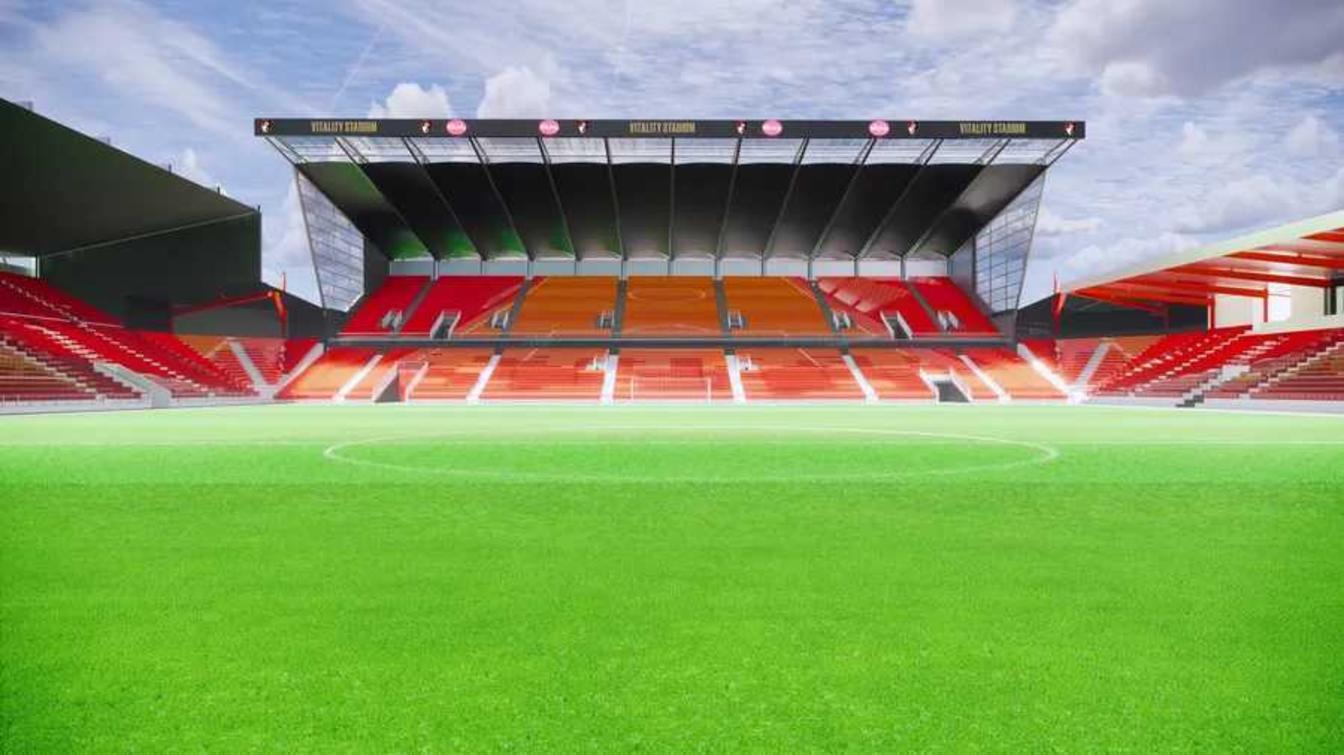 © AFC Bournemouth | The first plans for the new southern stand were presented in 2016 — it was intended to be taller than the others and would have increased the stadium’s capacity to around 14,500 spectators.
An ambitious expansion of AFC Bournemouth’s stadium
The preparatory works form part of a much larger project valued at approximately £90 million. Ultimately, the expansion is expected to increase the capacity of Vitality Stadium from around 11,300 to nearly 20,500 seats, with the possibility of further expansion in the future. Plans include the demolition of the temporary South Stand, the expansion of the North and East Stands, the installation of new entrances, and the creation of a fan zone in the south-west corner of the stadium.
For a club that regularly competes in the Premier League, increasing stadium capacity is of crucial financial importance. A higher number of seats means greater matchday revenues and an opportunity to close the gap with league rivals who already operate significantly larger venues. The owner of AFC Bournemouth, American billionaire Bill Foley, has emphasized that the stadium expansion will be carried out in phases while maintaining normal operations. This means the club will not have to relocate home matches to another stadium, which is of major importance both sporting-wise and in terms of the club’s image.
Advertisement