 StadiumDB
USA: Transport and urban planning challenges ahead of the Commanders’ stadium project
source: StadiumDB.com; author: Paulina Skóra
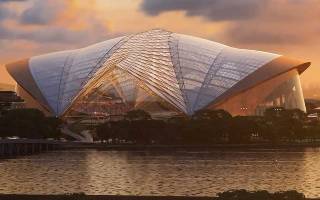 The demolition of the former RFK Stadium in Washington is entering a decisive phase, while plans for the construction of a new Washington Commanders stadium are taking clearer shape. The investment, however, raises a fundamental question: how to provide efficient transport access for the stadium and thousands of future residents of the planned district without causing traffic paralysis.
Advertisement
Transport as the key challenge for the Commanders’ stadium
Transport issues dominated a special working meeting dedicated to infrastructure planning around the future stadium. Ward 6 Councilmember Charles Allen stressed that decisions made over the next six months will determine whether the stadium can open in 2030 without serious operational problems. In his view, any delays at critical planning stages could result in time pressure and significant cost increases.
According to Washington Metro General Manager Randy Clarke, the current Stadium-Armory station infrastructure may struggle to cope with a sudden surge in passengers once the stadium and surrounding residential development are operational. Several upgrade options are being examined, including the construction of an additional station entrance or even a new rail station east of the RFK site. Such solutions, however, would involve very high costs and major technical constraints. Building a new station would require not only sufficient space but also a long, straight stretch of track—something extremely difficult to achieve in a densely built-up urban area.
Another concern is the potential overloading of the Metro Center hub if fans traveling on the Red Line transfer en masse to the Blue, Orange and Silver lines. One of the proposed solutions is the introduction of a Bus Rapid Transit (BRT) line connecting Union Station with Benning Road, which could absorb part of the passenger flow.
 ©
© A public-transport-friendly stadium
City officials have stated that the new stadium is intended to be one of the most public-transport-friendly sports venues in the United States. In addition to expanding bus services, plans include measures to support cycling and pedestrian access in order to reduce car use on event days and limit pressure on neighboring districts.
At the same time, residents of nearby neighborhoods have voiced concerns about air quality, increased heavy construction traffic during the building phase, and so-called cut-through traffic during major events. Representatives of local advisory neighborhood commissions emphasize that the scale of the investment requires concrete actions, not just declarations.
 ©
© RFK site as a new urban district
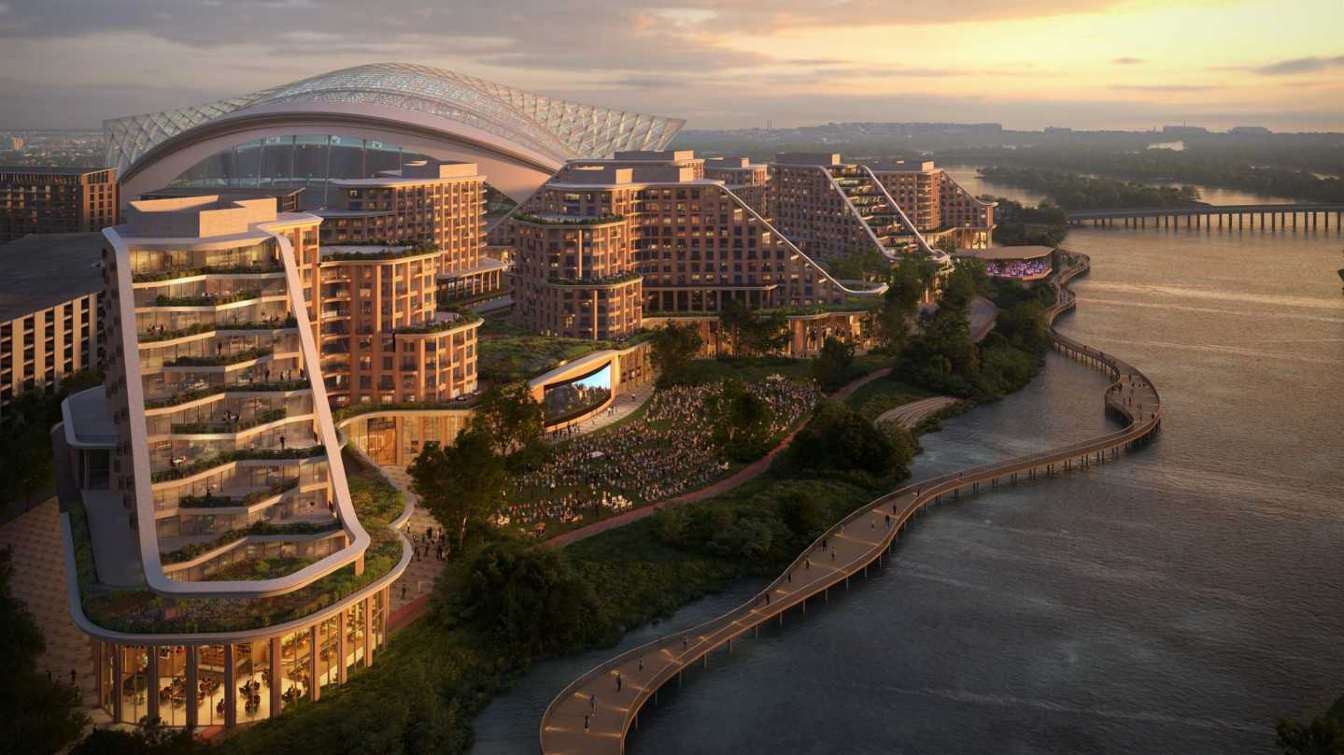
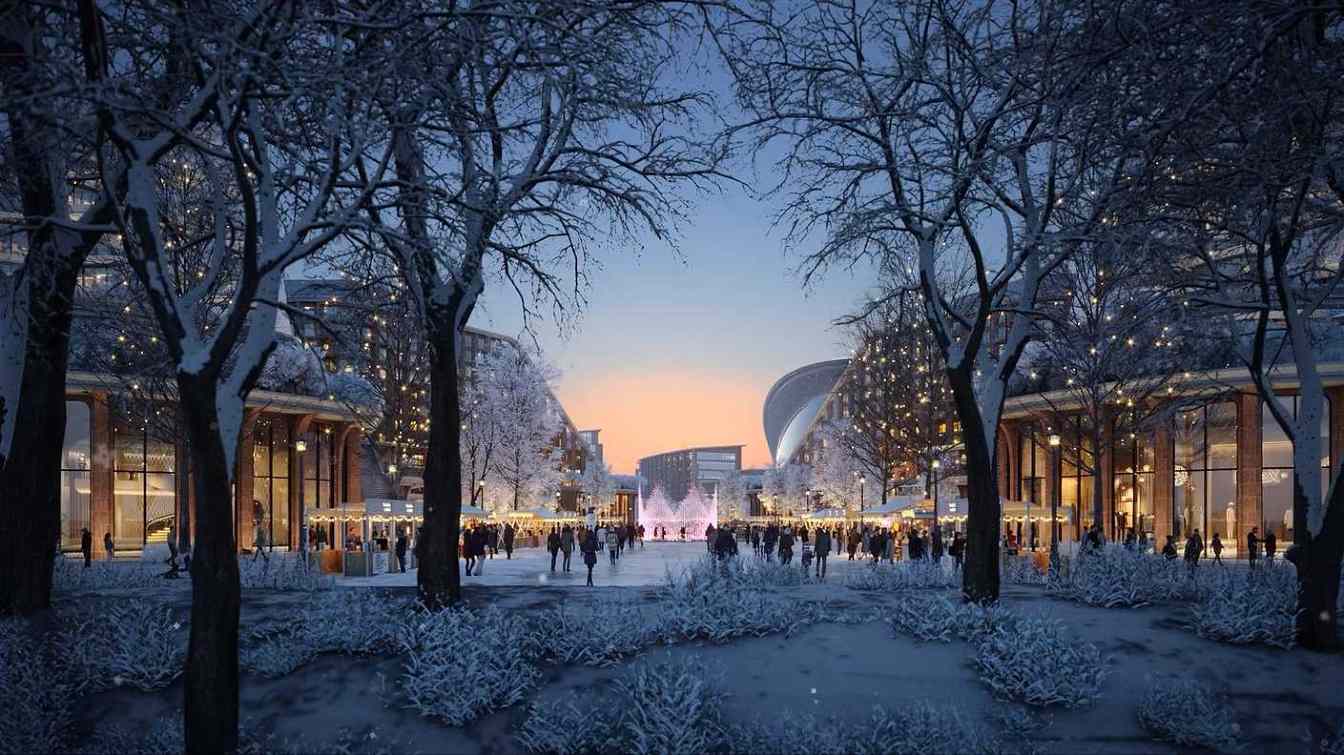
The new Washington Commanders stadium is intended to be the centerpiece of a much broader redevelopment of the RFK site. The entire project, valued at approximately $3.8 billion, also includes around 6,000 housing units, an entertainment district with restaurants, retail and hotels, and a modern sports complex.
At least 30% of the area is planned to be dedicated to green space, while the historic RFK playing fields will be preserved. The development is designed to function as a self-sufficient, mixed-use neighborhood that remains active beyond game days.
 ©
© Stadium design and approval process
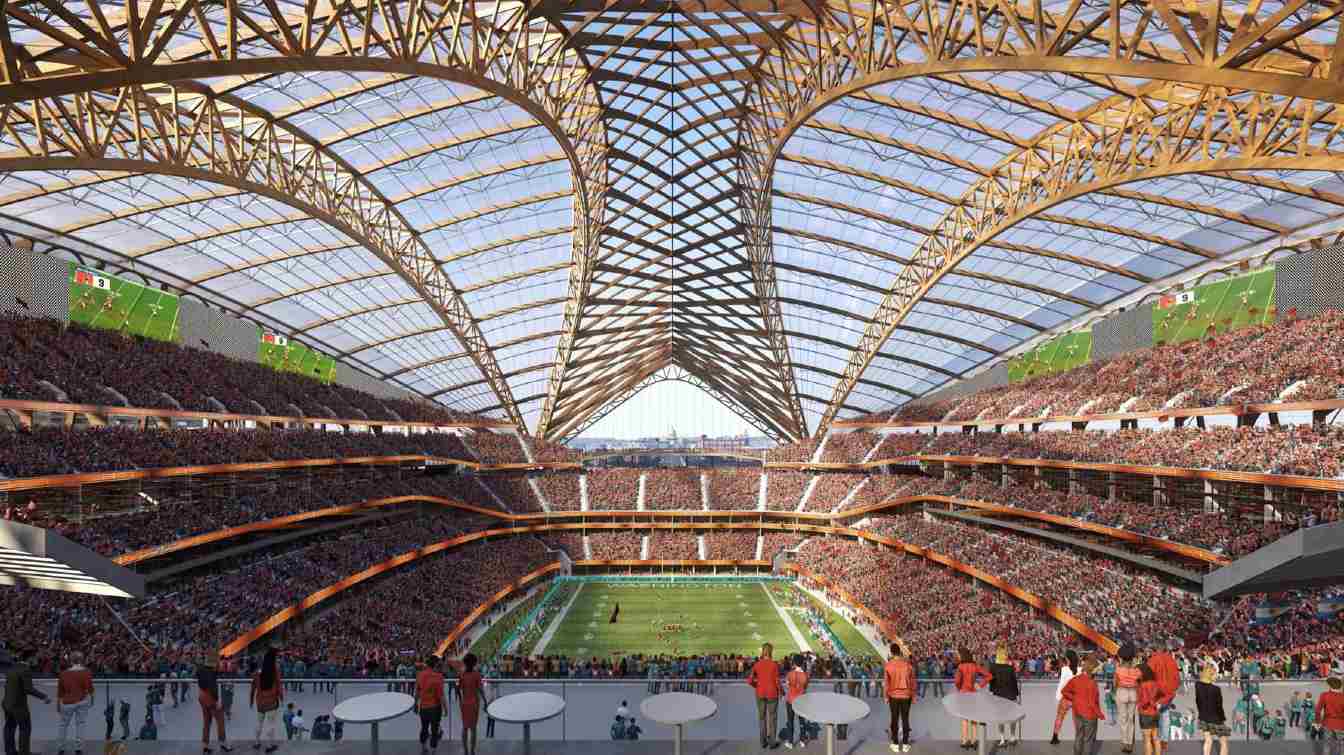
The stadium itself is being designed by the renowned architecture firm HKS. The venue is planned as a covered stadium with a capacity of around 65,000 seats and is expected to host more than 200 events per year, ranging from NFL games to concerts and major cultural events.
The project received approval from the Washington, D.C. City Council in September, but due to the District’s unique status it must also be approved by the National Capital Planning Commission. The first official presentation to the commission represents a crucial milestone, without which construction cannot begin.
The first phase of construction is scheduled to start in spring 2027, with the entire project expected to be completed by 2030. For city officials and the club alike, the coming months will be decisive: the choices made now will determine whether the new stadium becomes a model of modern, well-connected urban development—or a long-term infrastructure challenge for Washington.
Advertisement