 StadiumDB
Spain: Vallecas pays tribute to history while moving toward modernization
source: StadiumDB.com; author: Paulina Skóra
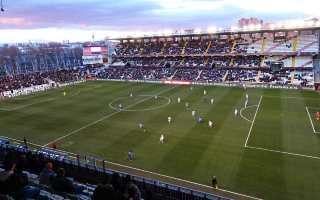 Estadio de Vallecas is undergoing a visible transformation that combines respect for the history of Rayo Vallecano with concrete infrastructure investments. New murals on the stadium’s exterior walls create a visual chronicle of the club, commemorating its greatest sporting and social moments. At the same time, the first phase of the stadium’s modernization is being implemented.
Advertisement
A visual chronicle of the club from Vallecas
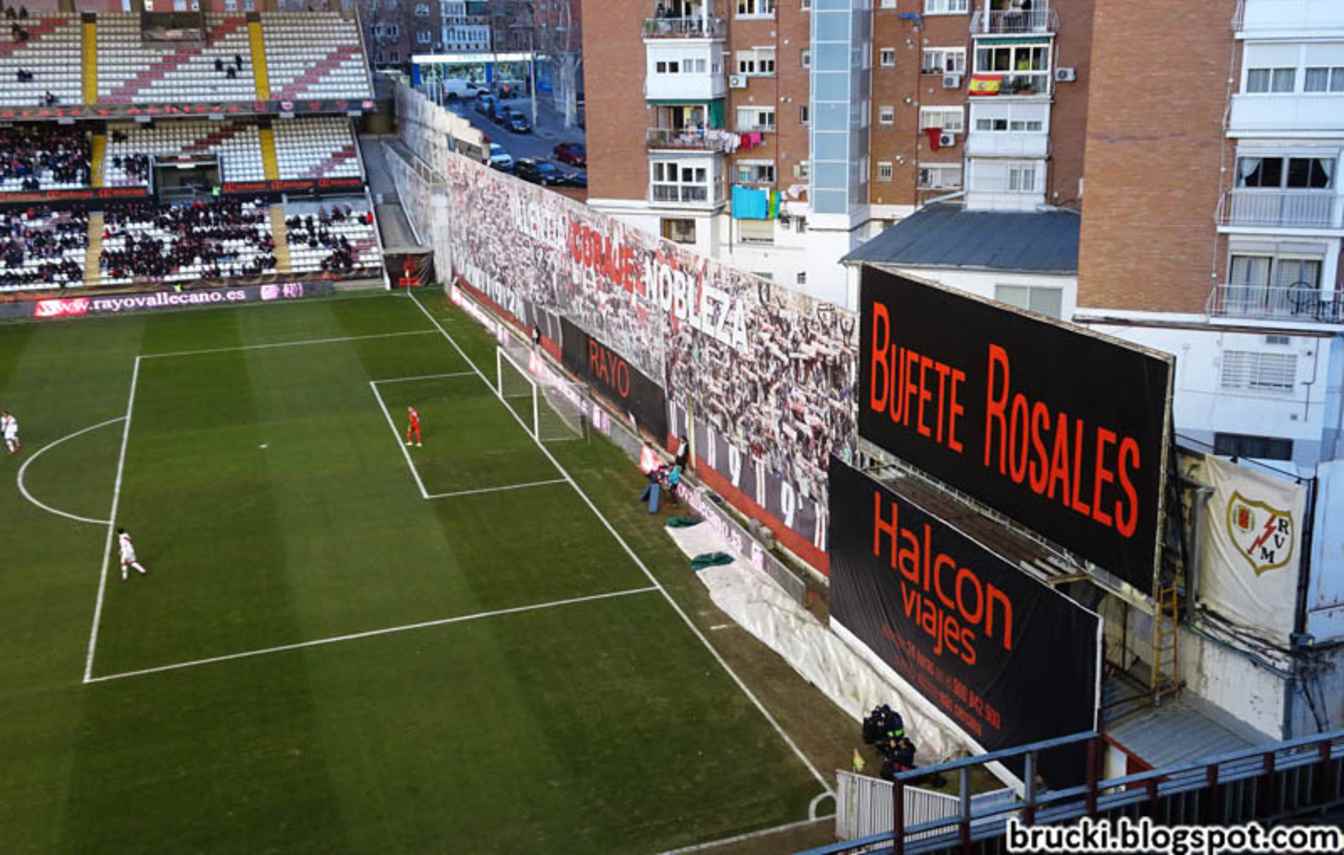
The Community of Madrid, in cooperation with fans and local organizations linked to Rayo Vallecano, has carried out a unique artistic initiative that redefines the space surrounding Estadio de Vallecas. The stadium’s exterior walls in the Puente de Vallecas district have been decorated with a series of murals depicting key moments in the club’s history – both sporting achievements and symbols of its social identity.
The murals form a visual timeline of Rayo Vallecano’s past. Among the scenes portrayed are legendary events that remain deeply rooted in supporters’ memory. One of them is the so-called Tamudazo
from the 2010/11 season – a dramatic finale that allowed the team to remain in Primera División and avoid relegation to Segunda División.
The artworks also include the first known photograph documenting the activities of Agrupación Deportiva Rayo, giving the project not only a sporting but also a historical dimension. It is a tribute to the club’s origins and to the people who laid its foundations. More dynamic scenes feature iconic players and moments that have entered club folklore, including Míchel celebrating a hat-trick against Real Sociedad, the famous Matagigantes
team, and an artistic reconstruction of Felines, one of the most distinctive players in the club’s history.
International appearances have not been forgotten either. One mural commemorates a goal scored against Girondins de Bordeaux in the 2001 UEFA Cup, while another recalls Guilherme Alves’ strike at the Santiago Bernabéu in 1996. Special attention has also been given to the women’s team of Rayo Vallecano, which represented the club in the UEFA Women’s Champions League for three consecutive seasons – one of the most important chapters in the history of women’s football in Vallecas.
Fans and institutions – a joint initiative
The project was made possible thanks to cooperation between members of the Federation of Peñas and the ADRV Platform, together with the regional administration. It stands as an example of public institutions and supporter communities working side by side to preserve local identity and sporting heritage.
The murals not only beautify the area around the stadium but also serve an educational and symbolic role, reminding residents and visitors alike what Rayo Vallecano represents: a club deeply rooted in its community, faithful to its values and history.
The first phase of stadium modernization
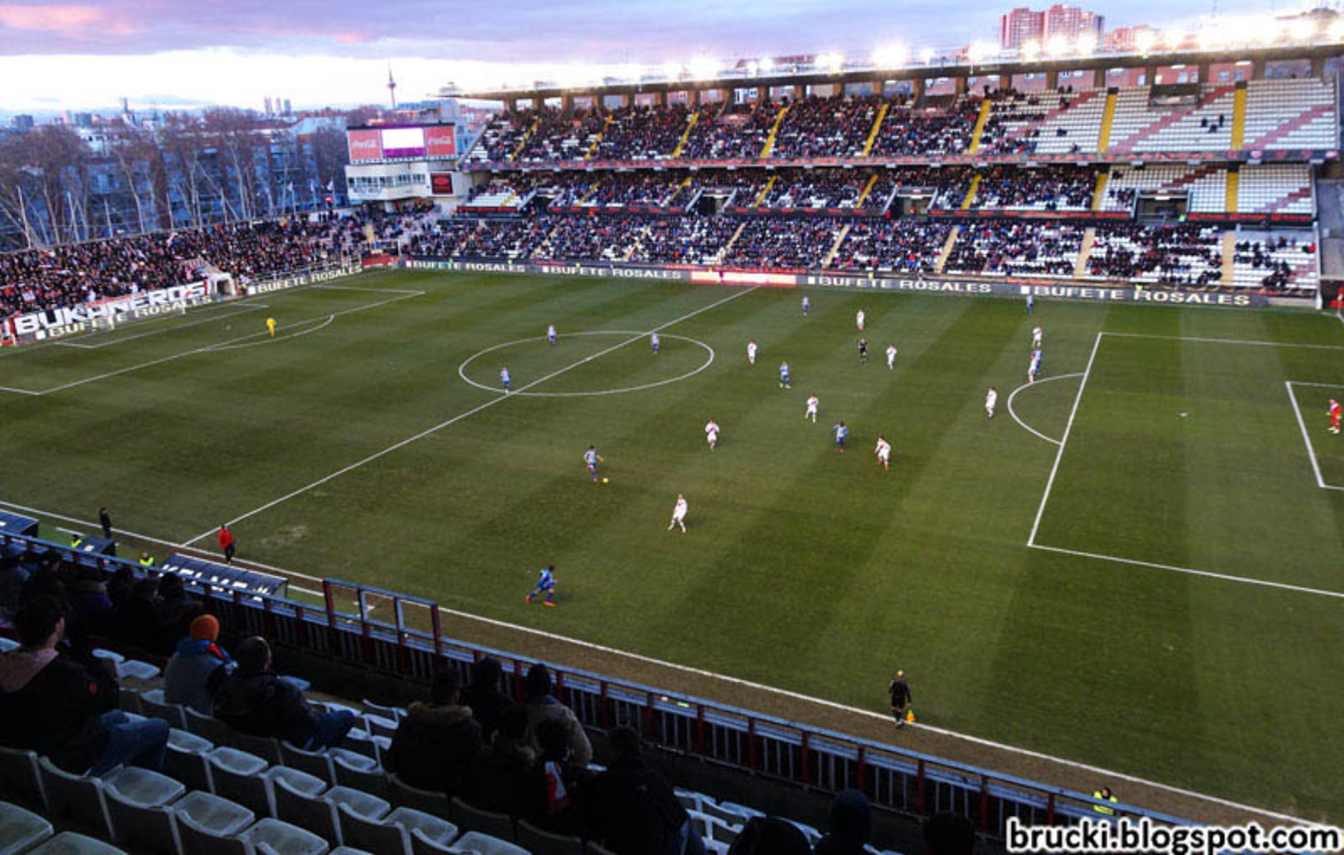
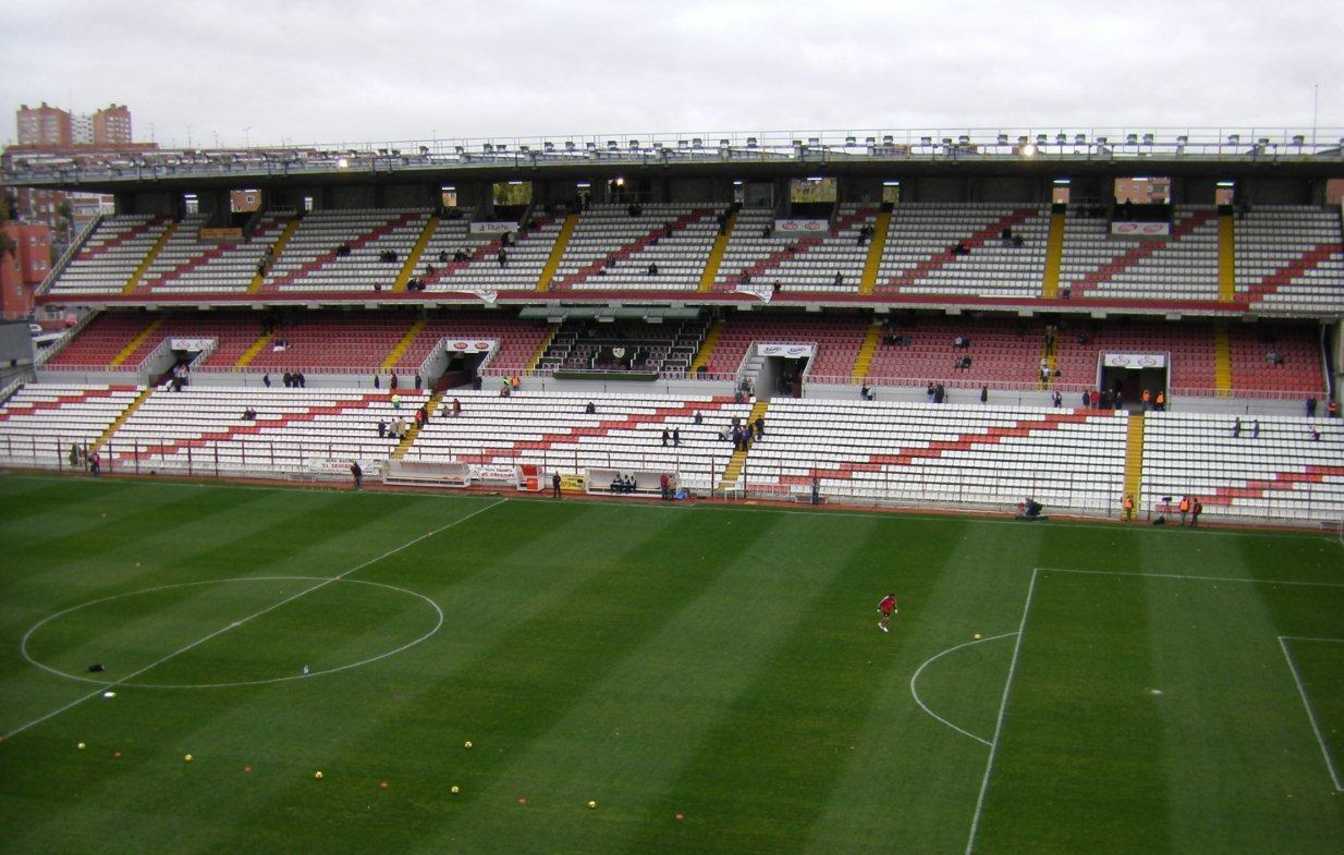
The mural project forms part of a broader modernization plan for Estadio de Vallecas. As part of the first phase, two stadium roof structures have undergone comprehensive renovation, and façades along Avenida de la Albufera and Arroyo del Olivar street have been repaired. An important change was the removal of a large planter near the ticket office entrance that hindered pedestrian movement; it has been replaced with stairways and handrails that comply with current safety standards.
Inside the stadium, restrooms have been modernized, and new air-conditioning and ventilation systems have been installed in areas used by sports federations (including boxing, table tennis, chess, and billiards), improving both comfort and safety standards.
Organizational changes and the away supporters’ section
In the current LaLiga season, Estadio de Vallecas features a clearly designated away supporters’ section for the first time. Ahead of the match against Real Betis, a special net was installed to separate the away sector in the upper tier of the side stand from the rest of the stadium. Although Betis officially received 143 tickets, the visually separated area suggests the capacity to accommodate more visiting fans if relocation becomes necessary.
It is worth noting that in European competitions, in line with UEFA regulations, the stadium had already been required to reserve at least 5% of its capacity for away supporters, albeit without physical segregation.
A new stadium video screen – a public investment
Another key element of the modernization will be a new stadium video screen. At the end of October, the Community of Madrid announced a public tender for its supply, installation, and commissioning, with a gross budget of €238,582.57. Ultimately, the contract was proposed to be awarded to MILES DE ROJO, S.L. for €193,234.31. The funding comes from public resources, which has drawn public attention and scrutiny.
The new LED screen will measure 10 × 4 meters, feature high brightness (at least 9,500 nits), and offer a minimum resolution of 1,344 × 384 pixels. In addition to a lower price, the offer includes a shorter installation time (six weeks instead of ten) and an extended warranty of ten years. However, the exact location of the screen remains unclear – if it stays in its current position, some spectators may still not have full visibility.
The future of Estadio de Vallecas
The regional government has announced continued cooperation with the club and LaLiga to carry out a full modernization of the stadium, which is expected to accommodate around 14,700 spectators in the future. If no administrative delays or appeals to the tender results arise, the most likely time for installing the new video screen will be during the off-season break.
Advertisement