 StadiumDB
Spain: Real Madrid fights for Bernabéu parking. Club challenges ruling as city hall stays silent
source: El Confidencial; author: Jakub Ducki
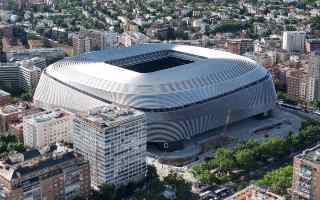 Real Madrid has filed a cassation appeal against the ruling that annulled the construction of parking facilities at the Santiago Bernabéu. At the same time, the authorities of Madrid consistently avoid answering questions about their next steps.
Advertisement
Dispute that has moved beyond stadium
The conflict over the parking project has been going on for two years and is no longer just a technical dispute about the number of parking spaces. In the heart of Madrid, three logics collide: the business logic of a giant club, the political calculations of city officials and the concerns of Bernabéu’s neighbours about how the investment will change everyday life in the district.
At the centre of the controversy is a concession covering two underground car parks – one on Paseo de la Castellana and another on Calle Padre Damián – with almost 2,000 spaces in total, a tunnel of around 650 metres, four underground levels and a direct connection to Estadio Santiago Bernabéu. Real Madrid was to finance the works in exchange for a 40‑year operation period.
Two rulings, one conclusion: no public interest
The Madrid judiciary has already questioned the assumptions of this project twice. First, an administrative court overturned the concession, stating that the city’s decision was unlawful and did not serve the public interest as defined in administrative law. Later, a higher instance – the High Court of Justice of the Community of Madrid (TSJM) – upheld this position, and in its 20 October ruling rejected the appeals lodged by both the city and the club.
In practice, this means that the courts were not convinced that underground car parks built as stadium infrastructure can be treated on a par with classic public facilities such as roads or metro lines. An additional blow came in the form of court costs: several thousand euros charged to the city and a sum roughly twice as high imposed on Real Madrid.
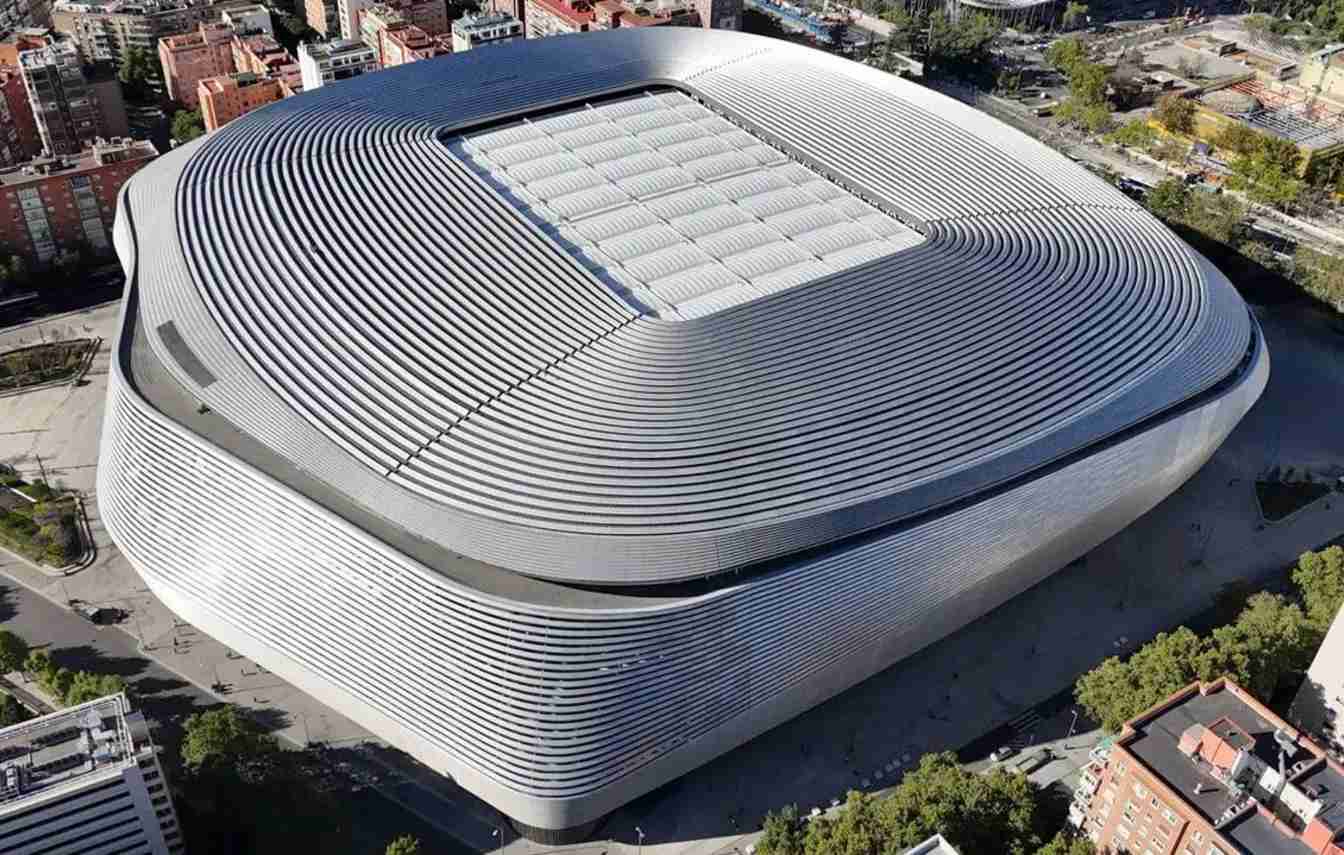 © Bernabeu
Mayor between law and politics
Statements by mayor José Luis Martínez‑Almeida shed particular light on the case. He publicly admitted that further appeals against the annulment of the parking project were hard to carry out,
as the matter is technical in nature and the scope for cassation is limited. This suggested that the city was leaning towards accepting the line drawn by the courts.
Over time, however, the tone shifted. A concept of partially rolling back the project emerged – abandoning the parking facility on Padre Damián while trying to save the structure on Castellana. The mayor started to present this as a compromise: reducing controversy while preserving the usefulness of an already started investment. The city’s official position in light of the latest rulings remains unclear, as the town hall has not answered media questions.
Right to defend itself and “common good”
Against this backdrop of silence, Real Madrid’s move stands out clearly. The club has decided to file a cassation appeal built on three pillars. First, it alleges a violation of the right to effective judicial protection, arguing that the original lawsuit by residents was formally directed against the city, even though the consequences of the ruling clearly affect the concession holder as well.
Second, Real Madrid challenges the standing of the neighbourhood association to initiate the procedure, trying to undermine its ability to represent residents’ interests in such a case. Third, the club returns to the contentious notion of public interest,
arguing that better traffic management around the rebuilt Bernabéu – both for public transport and private cars – should be seen as a general benefit, not merely an advantage for a single entity.
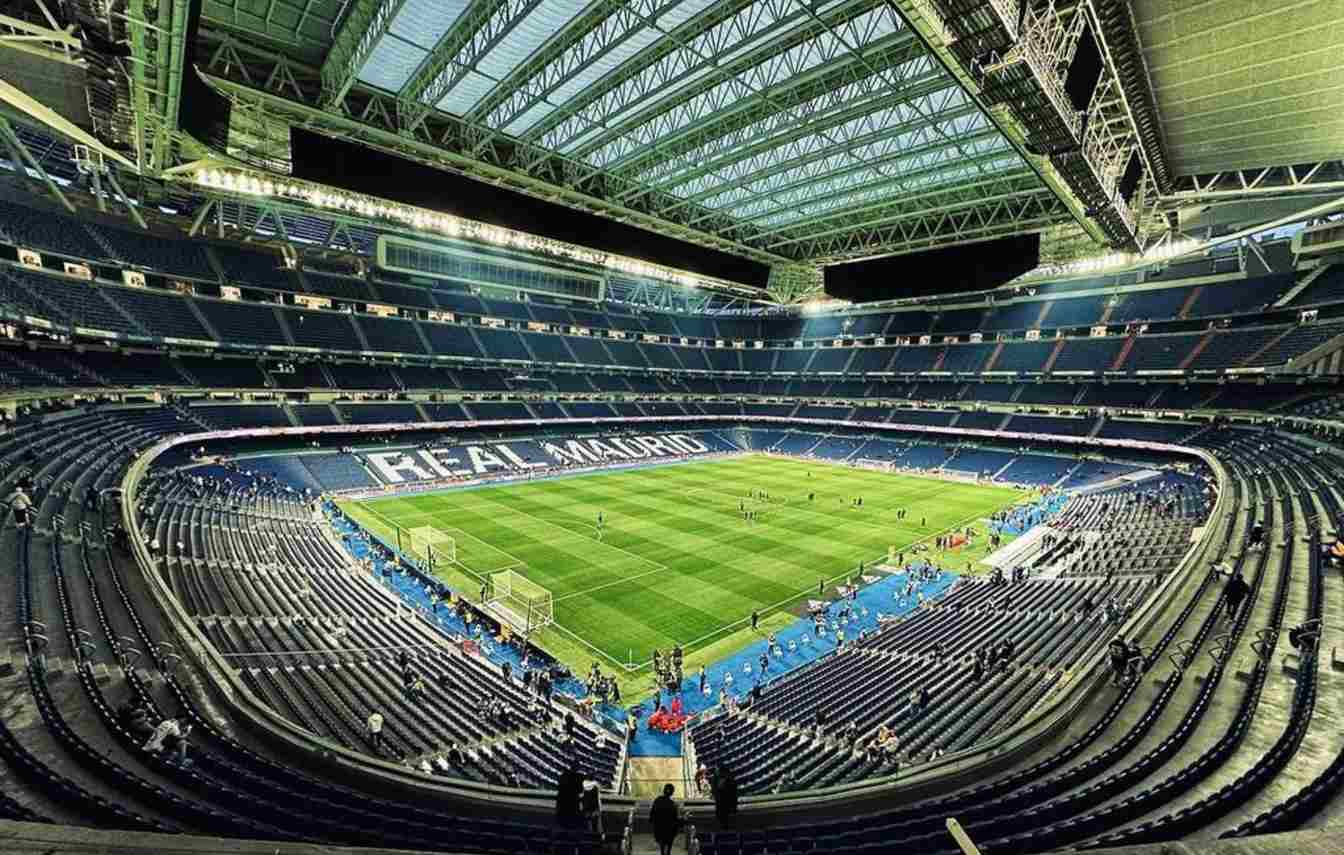 © Mark (fussballlust) (Instagram)
Construction frozen, timetable under pressure
From a construction point of view, the project is in limbo. Real Madrid entrusted the works to Acciona, with the contract valued at around 70 million euros. After the first court ruling, the works were halted, which not only increases the risk of higher costs but also creates logistical problems in the city centre.
During the proceedings it was pointed out that stopping works on the Castellana parking facility affects the timetable of metro construction at Santiago Bernabéu station. The longer the stalemate lasts, the harder it becomes to restore normal traffic on one of Madrid’s key arteries without a clear decision on whether the infrastructure around the stadium will ultimately be completed or dismantled.
Advertisement