 StadiumDB
Spain: El Sadar expansion at a standstill. What comes next for the project in Pamplona?
source: StadiumDB.com; author: Paulina Skóra
 The planned capacity increase at El Sadar remains little more than a paper exercise. Despite Osasuna’s assurances that work could begin quickly, the club has yet to submit a formal project. The growing gap between announcements and reality has sparked a sharp dispute — not only with regional authorities, but also with the media.
Advertisement
Accusations against the club and Osasuna’s response
The debate intensified after the radio programme Hoy por Hoy Matinal Navarra reported that Osasuna had not officially registered any of the engineering projects
referred to by club president Luis Sabalza during the delegates’ assembly on November 23. According to the broadcast, the club limited itself to talks with the regional interior department, while Sabalza allegedly misled socios by suggesting that successive proposals had been rejected by the authorities.
Osasuna responded with a lengthy statement, accusing the station of spreading half-truths and lies
and stressing that no journalist had contacted the club beforehand to seek clarification.
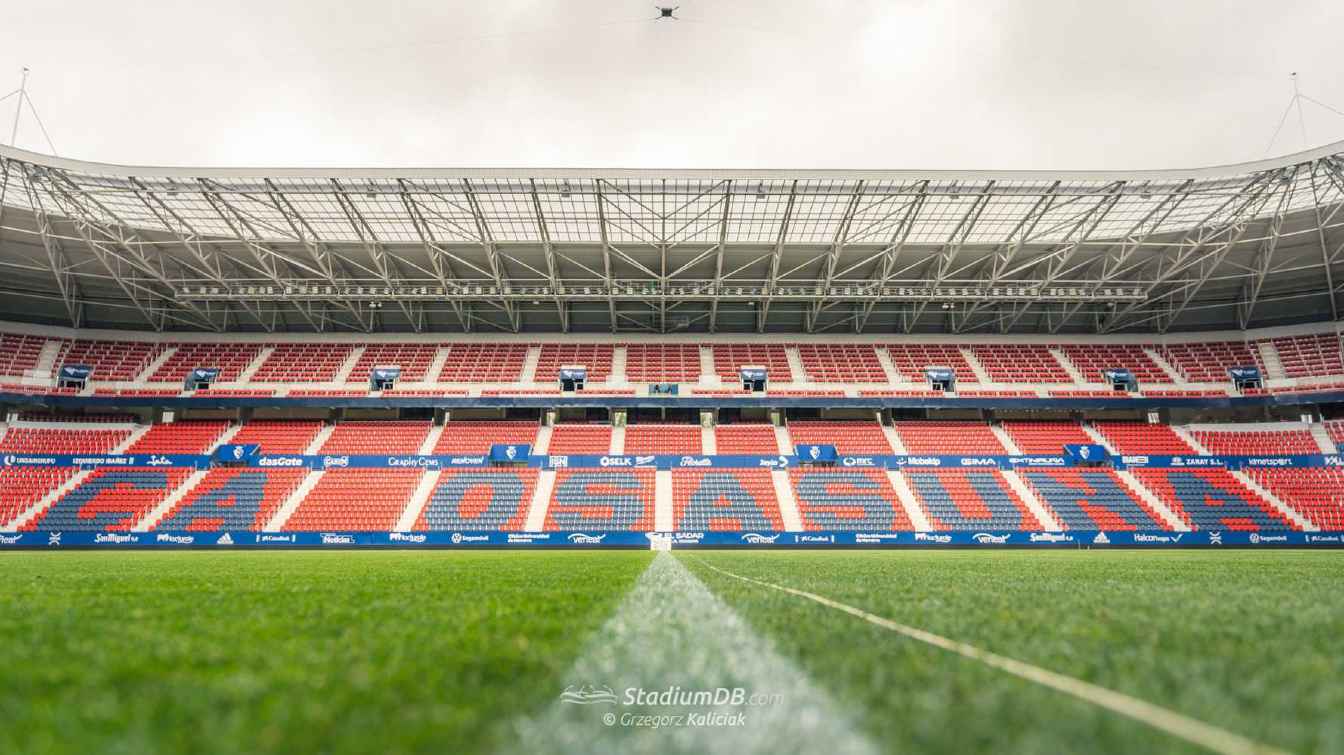
Legal change opens the door — at least on paper
A key turning point came with the amendment of Ley Foral 2/1989, approved in March 2025. Until then, regulations limiting the number of seats between circulation corridors in large venues effectively blocked any expansion of El Sadar. Following the reform, increasing capacity became possible, provided Civil Protection issued a positive opinion on evacuation and safety plans.
Osasuna points out that it had already been in contact with the authorities before the legal change and actively pushed for a modification of the rules simply to make additional stands a viable option.
Designs, simulations and repeated refusals
Once the legal framework changed, the club commissioned design work from OFS Architects — responsible for El Sadar’s previous renovation — and Valladares Ingeniería. The first major document reached Civil Protection in April: a 14-page evacuation study proposing 1,433 new seats and extending full evacuation time from 802 to 915.5 seconds. Osasuna’s engineers considered the figures compliant with Spain’s Technical Building Code, but Civil Protection signalled a negative assessment.
In the following months, OFS and the INARQ bureau produced a revised version, reducing the expansion to around 1,220 additional seats and adjusting circulation routes, evacuation plans and sanitary facilities. Even so, meetings held in September and November resulted in the rejection of all 36 evacuation simulations, including a variant with an evacuation time of 826 seconds.
Civil Protection criteria under scrutiny
From Osasuna’s perspective, the main obstacle lies in Civil Protection’s strict criteria. The club argues that officials are applying UEFA recommendations — not legally binding in Spain — such as the requirement for all spectators to reach a safe zone
within 420 seconds. According to the club, similar standards were not imposed during recent upgrades of other stadiums, leaving Osasuna at a competitive disadvantage.
Still, the club insists that supporter safety remains an absolute priority and has shown willingness to further reduce the number of planned seats in order to reach an agreement.
Meanwhile, Osasuna has commissioned an independent audit from Cepreven to assess the 826-second evacuation model, a step deemed necessary for the administrative process. The club admits that no formal application for expansion has yet been filed, citing the lack of even preliminary approval from Civil Protection. Registering a project with a negative opinion, they fear, would almost certainly lead to rejection.
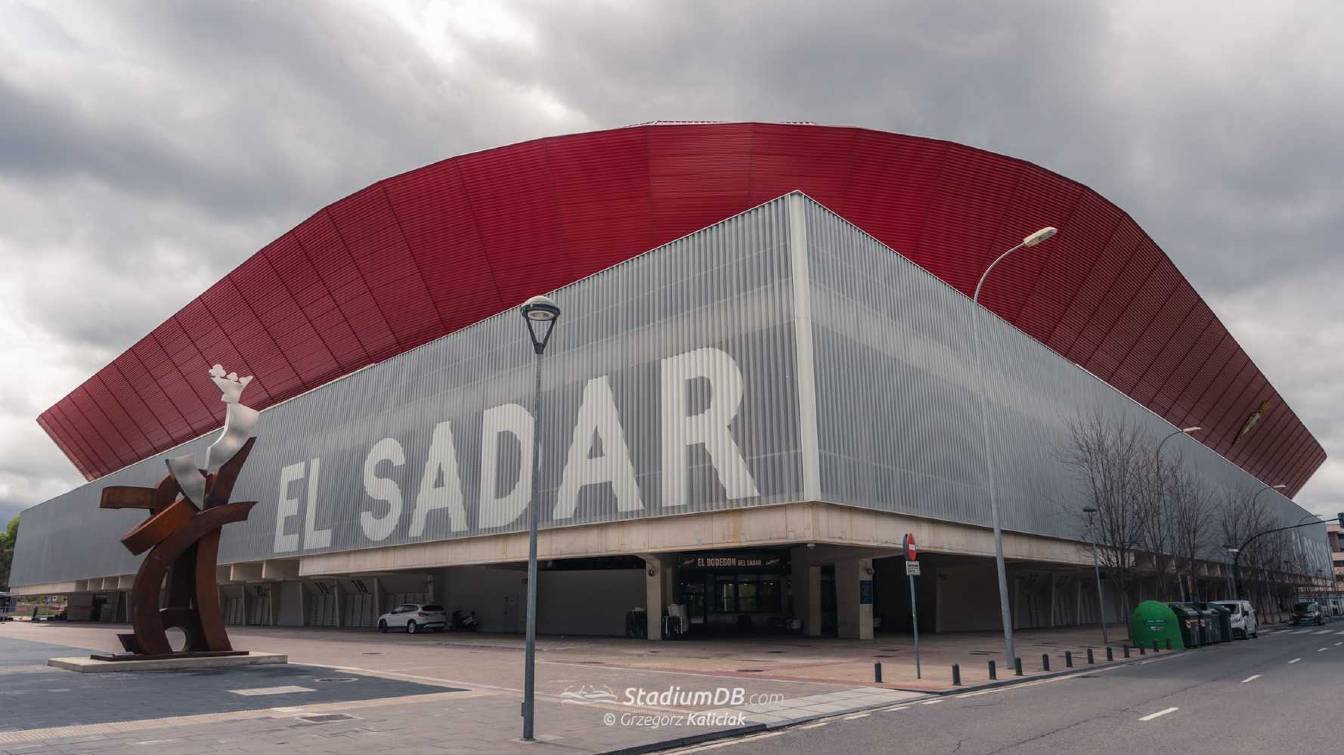
Fans caught in the middle
The biggest losers in the stalemate are the fans, who have long been waiting for additional seats at El Sadar. According to club estimates, the expansion could yield between 700 and 1,000 new seats, although recent versions already envisage further reductions to meet tightening requirements. For thousands hoping for a season ticket, the project still represents a chance to fulfil a long-delayed ambition. Osasuna acknowledges the frustration and says it shares it. The club pledges to continue talks with the authorities — even at the cost of a smaller expansion — and to defend the rights of its socios on every available front.
Advertisement