 StadiumDB
Spain: Administrative dispute delays stadium location choice in Málaga
source: StadiumDB.com ; author: Paulina Skóra
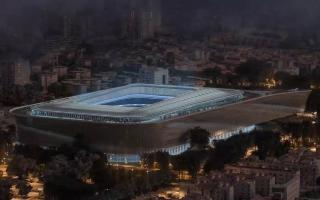 The decision-making process for the future of Málaga's new stadium is facing delays. The reason is an appeal filed by the College of Geographers, which has complicated the tender procedure run by the municipal company Promálaga to commission an external firm for a detailed location study for new Rosaleda.
Advertisement
Procedure on hold, but bids still accepted
The Administrative Court for Appeals at city hall has suspended the tender procedure for now, without pausing the submission deadline, meaning interested companies can still submit proposals until the city-set date.
The appeal concerns tender conditions and specialist profiles in the documentation. The College of Geographers argues that some roles listed in the specs—including the delegated coordinator—should also be open to geography-trained experts, not just other technical professions. As an administrative rather than judicial path, the case goes to the internal contract tribunal at Ayuntamiento de Málaga, creating uncertainty and potential timeline shifts for the location analysis.
Launched October 31 by Promálaga, the tender aims to select a firm for a comprehensive study of alternative locations for the new Rosaleda after Málaga's 2030 World Cup bid failed. Contract value stands at €171,413.65 net, with 17 weeks execution split into two phases: a seven-week first phase for data gathering and diagnosis per site, and a ten-week second focused on multicriteria analysis and recommending the build site.
The study draws funding from unused funds in a tripartite city-Diputación-Andalucía agreement originally for Rosaleda expansion toward the World Cup; 18 studies done so far left substantial resources for this new analysis. City authorities set the goal as an objective study—via multicriteria analysis—pinpointing the top location for a top-category football stadium in Málaga. It will include not just a ranking of sites but a roadmap
with timeline, key admin procedures, and cost estimates, regardless of public, private, or mixed management model.
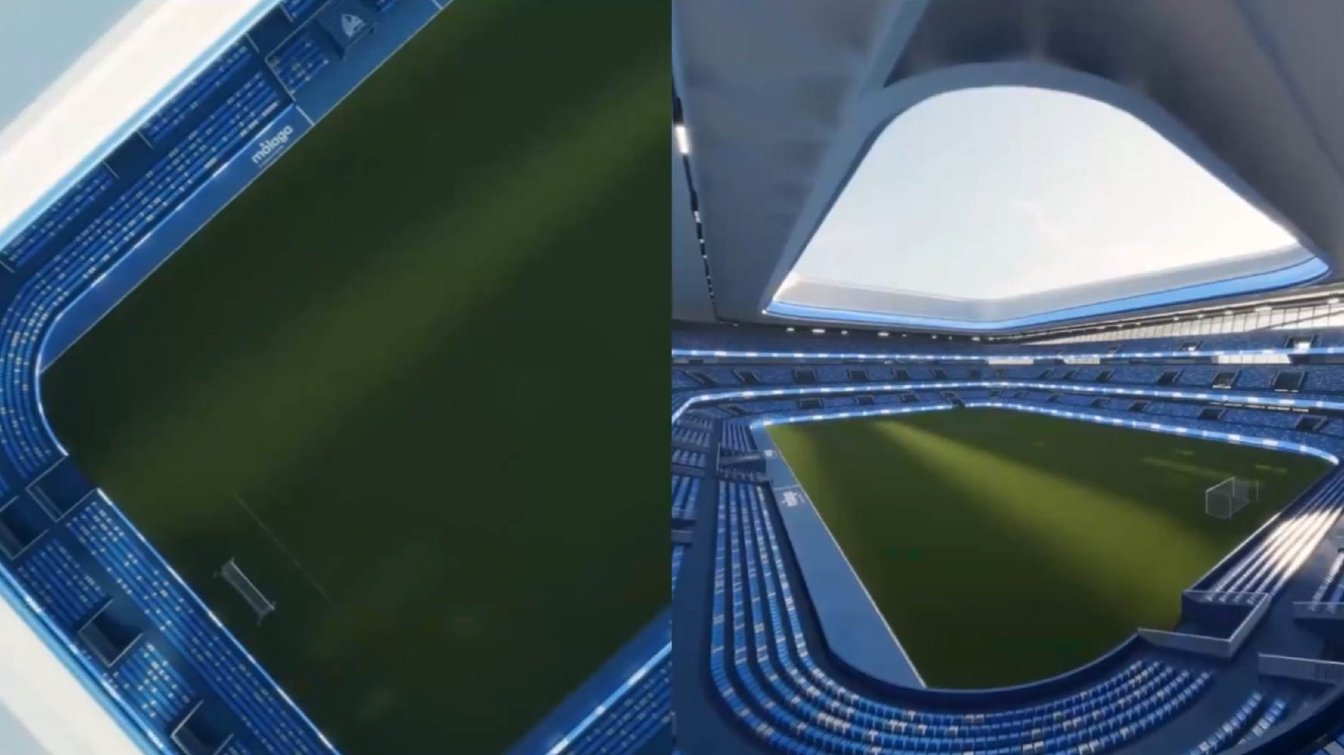
The stadium must meet at least UEFA Category 4 standards, capacity 45,000–55,000 spectators, stressing most optimized investment possible
balancing initial outlays and later returns.
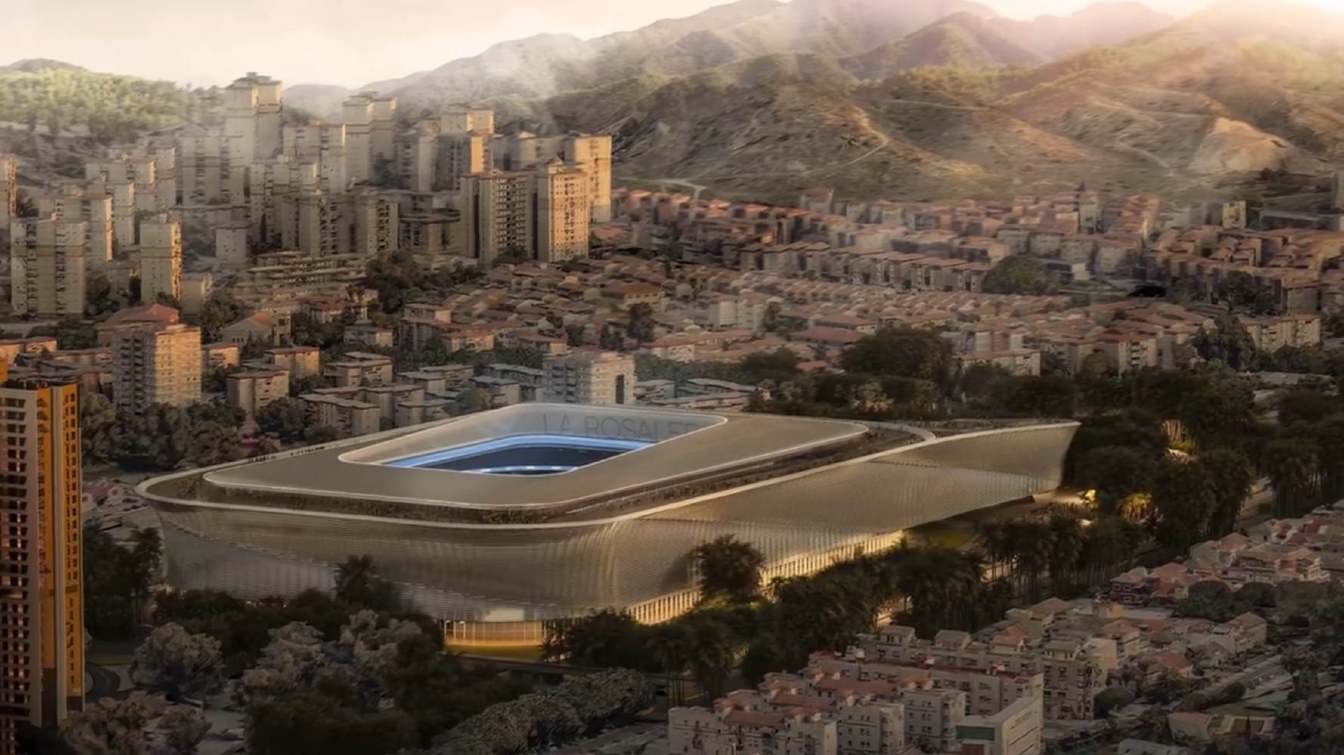
Five top location options
Málaga authorities listed five preferred sites for analysis at tender launch, though the winner can suggest extras. Option one: modernize and expand current Estadio La Rosaleda per the old 2030 World Cup concept. Option two: plot in Teatinos university campus expansion, bounded south by Louis Pasteur boulevard, east by Francisco Trujillo Villanueva avenue, west by Las Cañas stream, north by Navarro Ledesma avenue. Option three: new build in San Cayetano area north of Puerto de la Torre, on sites already in local PGOU plan.
Option four links to Lagar de Oliveros sector west of Puerto de la Torre, future residential zone eyeing three infrastructure plots. Option five: Manzana Verde planned complex on current EMT bus depot and ops sites, set for nearly 1,000 homes—mostly protected—plus green spaces and public facilities. This made the list on Málaga CF fan group requests; city pledged analysis despite existing local plan and advanced urbanization work.
Investment under deep review
The winning firm must verify city hall and municipal data plus run its own scouting and extra analyses for consistent criteria across options. Tender docs say after two-week verification, narrow to at least three sites for deep dive, mandatorily including current La Rosaleda spot. Those three get scored on urban/design factors, physical/environmental constraints, urban mobility, social/economic aspects, and ROI potential.
Phase two applies formal multicriteria analysis
for objective optimal site pick. Post-comparisons, winner delivers detailed final report on pros/cons of choice plus step-by-step roadmap from planning/environmental procedures to construction. Authorities stress the technical recommendation holds no legal binding: final call rests jointly with Ayuntamiento de Málaga, Diputación, and Junta de Andalucía, matching the project's political and financial weight for the whole metro area.
Advertisement