 StadiumDB
Italy: New schedule for revamp in Florence – in the race for Euro 2032
source: StadiumDB.com; author: Paulina Skóra
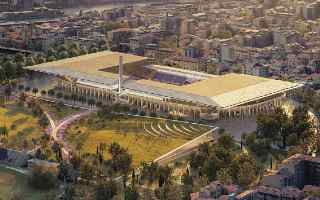 During a visit to the Stadio Artemio Franchi, Florence mayor Sara Funaro presented an updated timetable for the project, which is now split into two main phases with a total estimated cost of around €265 million. There is still roughly €60 million missing to fully close the budget, money the city needs to secure also in the context of Italy’s bid to host Euro 2032.
Advertisement
New work schedule and phases
Under the new plan, the structural works of the first phase are due to finish on 16 February 2027, while the whole of this stage – including fit‑out and final inspections – should be completed by 30 April 2027. Only after that date is the full recategorisation
and organisation of the construction site for the second phase of the revamp set to begin.
One of the most sensitive elements of the project remains the new Curva Fiesole, the symbolic stand of Fiorentina’s most hardcore fans. The structure of the stand is expected to be largely complete by the end of August 2026, but it will not yet be opened to the public – further finishing works and technical approvals will still be required. In parallel with the rebuilding of Fiesole, work will be carried out on the new skyboxes along the Maratona side and on the commercial and service areas linked to them. The goal is to reach a point where, between February and April 2027, it will be possible to carry out trial inspections of the new structures.
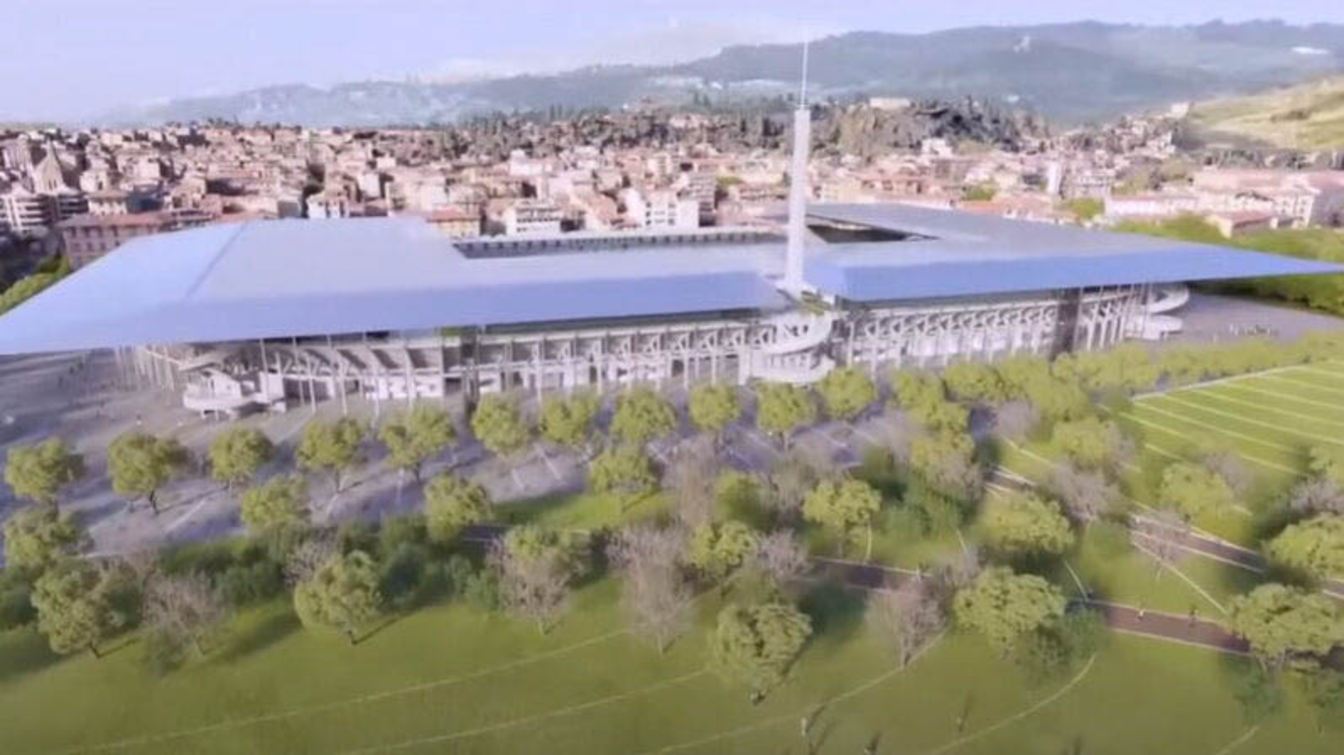
The second phase of the modernisation will focus mainly on the Ferrovia stand and the VIP areas, together with a thorough refurbishment and change of use of the spaces under the main stand. The plan foresees the demolition of the newer elements added for the 1990 World Cup on the Ferrovia side, in a similar way to what is planned on the Fiesole side. During this period the away section will be moved between the new Fiesole and the Maratona, so that work can continue on the rest of the ground without taking the stadium completely out of action. According to the current assumptions, the entire Franchi, once the second phase is completed, should be fully ready for use from the 2029/2030 season.
Tight deadlines and accelerated work
To hit the planned deadline, the city is considering ramping up the pace of work, including extending shift patterns to include evening and night shifts, as long as the relevant administrative permits allow it. The construction contracts include both a system of bonuses for speeding up the works and penalties for delays, in order to push contractors to stick to the agreed dates.
At the same time, the city authorities are promising regular monitoring of progress – weekly reviews are intended to make it possible to react quickly to any problems. As part of the celebrations for the club’s centenary, virtual visits and limited tours of the construction site are also planned, so that supporters can follow the rebirth of their stadium in real time.
Financing and the Euro 2032 perspective
A key date in terms of financing is 31 July 2026 – by then the city must present the complete project documentation and confirmed sources of funding for the entire investment, something that also matters for the stadium’s candidacy within Euro 2032. The missing €60 million is expected to be raised through a combination of public funds, any central‑government resources and the possible participation of private entities.
If the stadium is ultimately included on the list of Italian arenas for Euro 2032, part of the financial burden could be shifted to the national level, easing pressure on Florence’s budget. If not, the city will have to find the missing funds on its own, which – as local analyses warn – could severely limit other municipal investments for years to come.
Relations with Fiorentina and the stadium’s future
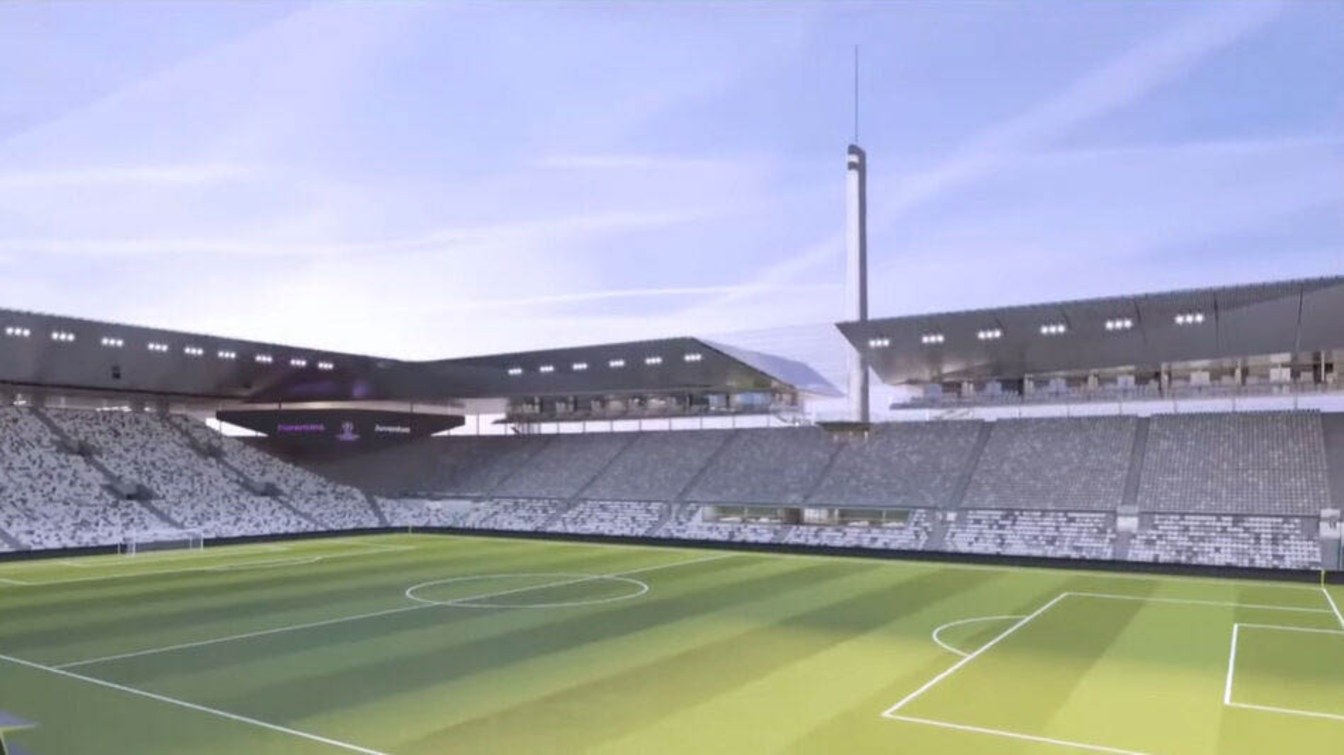
Relations between the city and Fiorentina remain tense, also because of delays, design changes and the outstanding funding gap. The mayor stresses, however, that she is in constant contact with the club – lately mainly with the CEO – and declares herself ready to make further adjustments to the project if they allow the club to keep playing its home games at the Franchi without a prolonged move to another stadium.
At the same time, the city authorities have publicly condemned the wave of aggression and attacks on social media that has flared up around the progress of the project and relations with the club’s owner. Despite the controversy, the city maintains that the overriding goal is to deliver a modern, functional stadium that complies with heritage‑protection rules and will serve both Fiorentina and future major international events.
Advertisement