 StadiumDB
USA: Plans for Bears’ new Arlington Heights stadium delayed amid lack of funding
source: StadiumDB.com; author: Paulina Skóra
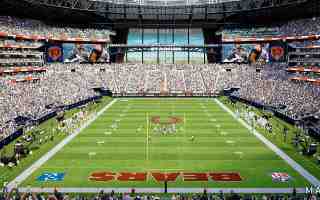 Plans for the Chicago Bears’ new stadium have hit a major setback. The team failed to secure the expected financial support from the State of Illinois during the fall legislative session, meaning the Arlington Heights project may be delayed until at least 2026.
Advertisement
Dream of a new home
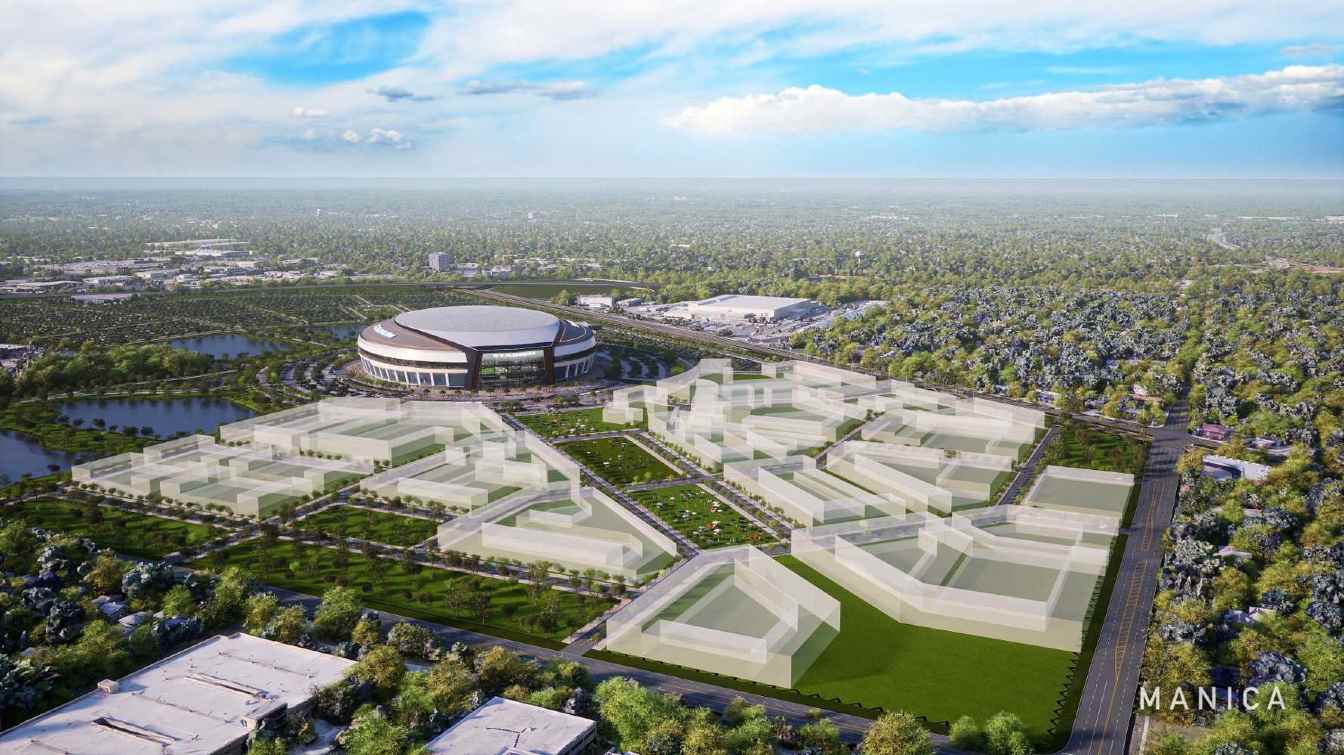
For years, the Bears have sought to leave historic Soldier Field — the NFL’s oldest and smallest stadium — for a modern, domed venue in Arlington Heights, roughly 40 km northwest of downtown Chicago. In 2021, the team purchased the former Arlington International Racecourse site and began demolition months later.
While the Bears have pledged to cover construction costs — estimated at over $2 billion — they are asking for $862 million in public funding for related infrastructure, including roads, highway exits, and upgrades to the Metra rail line, as well as a property tax freeze on the project site. However, Illinois lawmakers adjourned their fall session without approving the necessary legislation, forcing the team to wait until early 2026, when the next session convenes.
The Bears haven’t handled this process particularly well,
said J.C. Bradbury, a sports economist at Kennesaw State University. They’re asking for enormous concessions at a time when the state faces a deficit and growing skepticism toward public subsidies for private developments.
Politics and past debts
The delay also reflects political and financial tensions. Governor J.B. Pritzker, a key opponent of public assistance for the team, reminded citizens that Chicago is still paying off $356 million in debt from the 2003 Soldier Field renovation. Taxpayers can’t shoulder another round of stadium debt,
Pritzker said at the Economic Club of Chicago.
That earlier project was meant to be funded through a hotel tax, but the COVID-19 pandemic’s impact on tourism forced the city to dip into its own coffers. Since 2022, Chicago has contributed over $52 million toward the debt, and annual payments could rise to $90 million by 2032, when the bonds are finally paid off.
 © MANICA
Tax disputes and public skepticism
According to consulting firm HR&A Advisors, the full Arlington Heights development would cost around $5 billion, much of it going toward surrounding infrastructure, housing, offices, and retail. The Bears also offered a $25 million payment to the City of Chicago and the Chicago Park District, hoping to secure political goodwill.
If a project only works when you freeze taxes, its business model is too fragile,
said Kam Buckner, a state representative from Chicago, whose district includes Soldier Field. These are tough economic times — it’s not the moment to hand out gifts to billionaires.
A city at a crossroads
The Bears’ potential departure would be a symbolic blow for Chicago. The franchise, one of the NFL’s oldest and most storied, has called the city home for more than a century. Yet its exit would leave behind lingering debt and a strained city budget. Chicago currently faces a $1.2 billion deficit, and Mayor Brandon Johnson is under pressure to fulfill promises on homelessness, youth employment, and revitalizing neglected neighborhoods — all amid business community skepticism. Every time the Bears threaten to leave, politicians scramble to appease them. It’s been 20 years, and here we are again — and Chicagoans are footing the bill,
Buckner said.
 © MANICA
The uncertain future
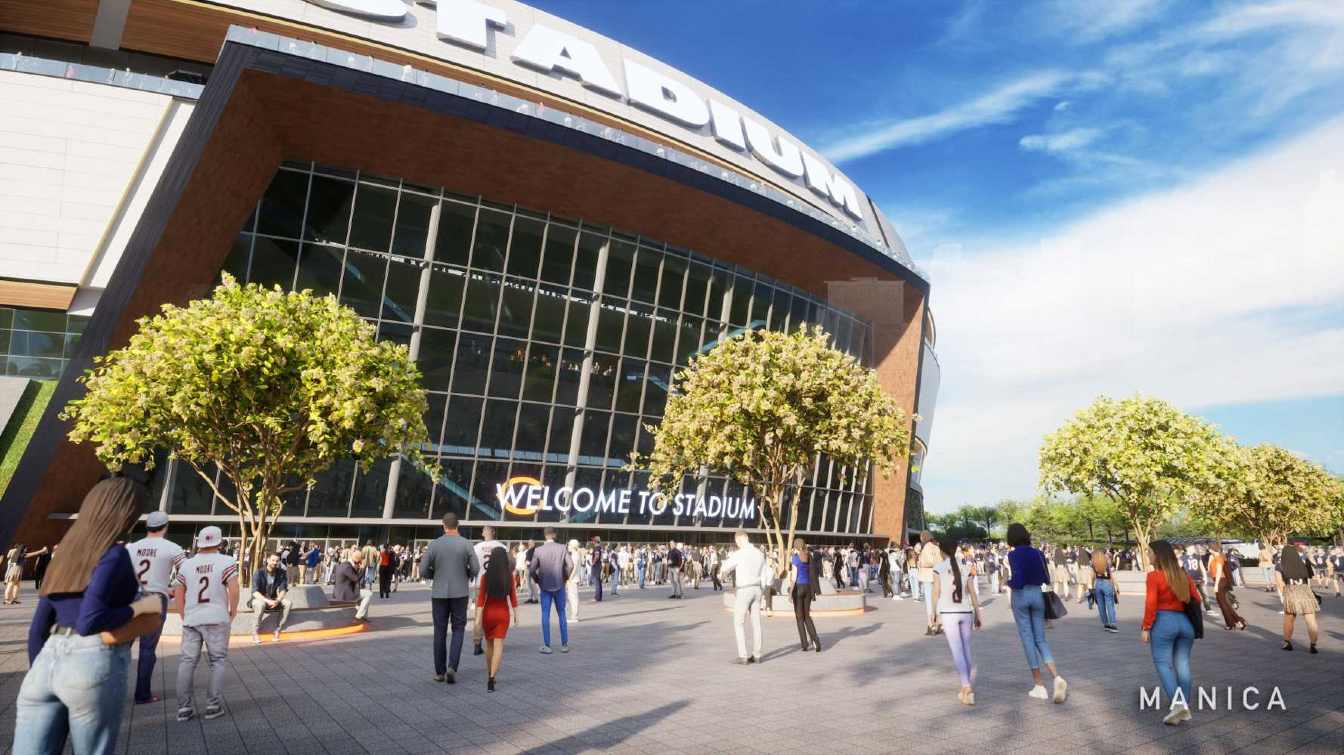
Bears president Kevin Warren insists the team remains committed to building a world-class domed stadium in Arlington Heights. The franchise hopes the venue could host a Super Bowl as early as 2031. Warren — who oversaw construction of U.S. Bank Stadium in Minnesota — says the Bears can finance the stadium itself through private funds and NFL support, but infrastructure costs remain the sticking point. Despite the fall session setback, the Bears plan to continue talks with Governor Pritzker and local officials. The next opportunity for legislative approval will come in early 2026.
Advertisement