 StadiumDB
Spain: Málaga looking for the best site to build its new stadium
source: StadiumDB.com; author: Paulina Skóra
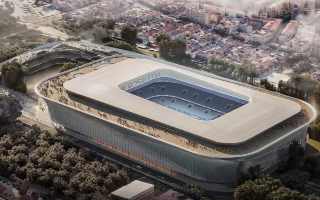 The City Council of Málaga has launched a public tender to select a consulting firm that will carry out a study on possible locations for the city’s new football stadium. Interested companies can submit their bids until December 5, and the chosen firm will have four months to deliver a complete report. The contract is valued at €207,410.52 including VAT.
Advertisement
San mamés as the model
The study will take San Mamés in Bilbao as its main point of reference — a 53,332-seat venue regarded as a benchmark for its technical and functional standards. The new La Rosaleda aims to follow that example, not just as a football ground but as a multi-use complex combining sporting, commercial, and cultural facilities. Plans include a museum, shops, restaurants, and conference or event spaces, requiring an area of roughly 175 by 222 metres. While the final dimensions will depend on the architectural design, these parameters will serve as a baseline for assessing urban integration, accessibility, planning compliance, and land ownership or readiness for development.
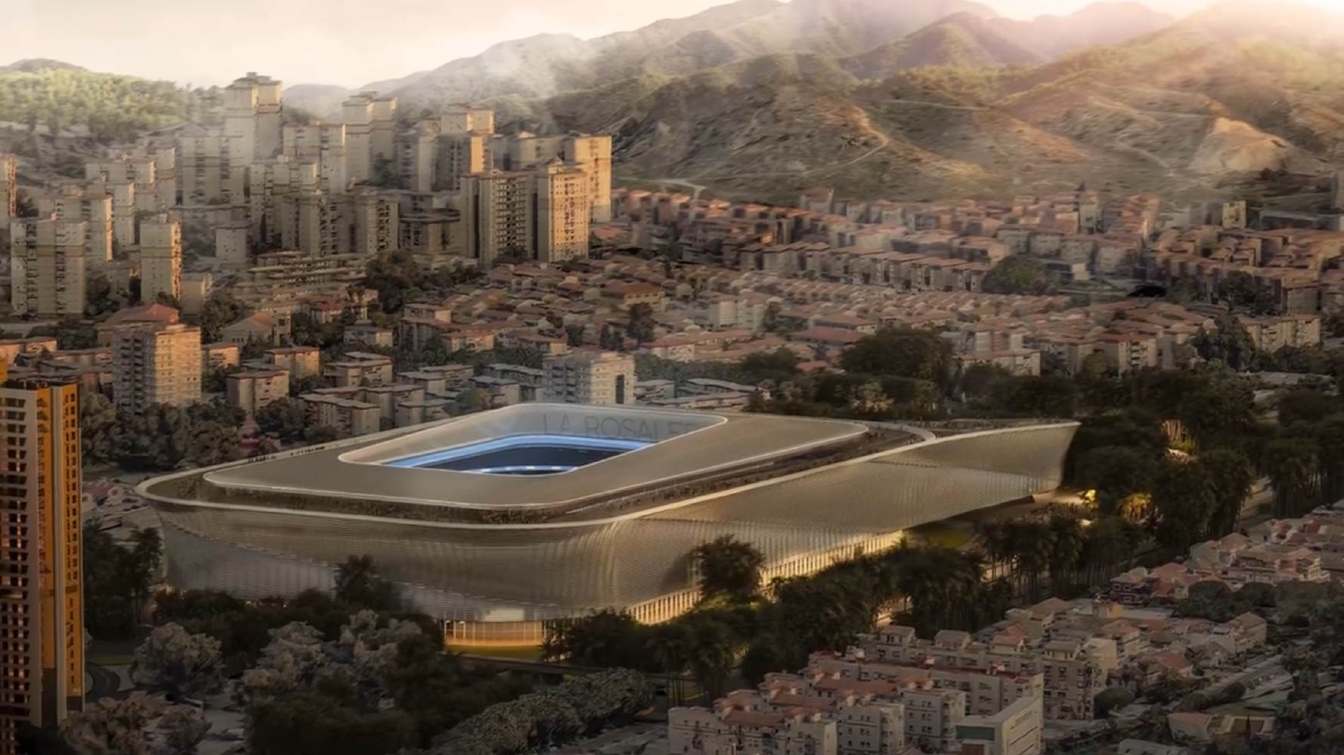
Five locations under consideration
One of the main candidates is the current La Rosaleda site in the Martiricos district. Covering 57,891 square metres, the area already benefits from strong transport links, but its dense urban surroundings limit any potential for expansion. This location had previously been considered for an upgraded stadium as part of Spain’s 2030 World Cup bid, though it was ultimately ruled out due to time constraints and the risk of disrupting Málaga CF’s ongoing operations.
Another option is the Ampliación de la Universidad area in Teatinos, comprising 66,037 square metres of land currently owned by the University of Málaga. The city retains the right to reclaim this land through a reversion clause, though its proximity to flight corridors would require an aviation safety assessment because of possible height restrictions.
San Cayetano, north of Puerto de la Torre and above the city’s ring road, is the largest of all the proposed sites, spanning 124,893 square metres. The land is privately owned, meaning the city would need to purchase or expropriate it. Although the area is already listed in the local urban plan (PGOU) as a potential site, poor accessibility and limited public transport remain significant challenges. Still, it offers the opportunity to design a completely new sports and leisure hub from the ground up.
Lagar de Oliveros, also in the Puerto de la Torre area, covers 62,060 square metres of municipally owned but undeveloped land. With no existing roads or public transport connections, it would require major investment in infrastructure before construction could begin.
Finally, Manzana Verde, located between Cruz de Humilladero and Carretera de Cádiz, stands out as one of the most attractive options. The 93,929-square-metre site enjoys excellent transport connections and was the preferred choice among Málaga CF supporters during meetings with city officials in July 2025. However, the land is currently designated for residential use, with a project for 923 homes — 803 of them public housing — already approved. Choosing this location would therefore require amending the PGOU and drafting a new special development plan (PERI).

A key decision for the city’s future
City authorities emphasize that selecting the right site will be crucial not only for the future of Málaga CF but also for the city’s broader urban development. The new La Rosaleda is intended to be a 21st-century venue: modern, functional, and seamlessly integrated into the urban fabric, serving as a new cultural and sporting hub for Málaga and a driver of local growth.
Advertisement