 StadiumDB
Spain: Alavés stadium may be shut down due to murals and stickers
source: StadiumDB.com; author: Paulina Skóra
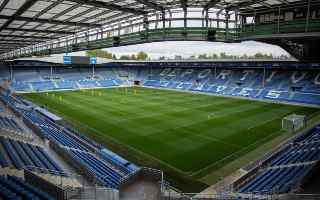 The Anti-Violence Commission has proposed one of the most severe sanctions in Spanish football. The reason is the presence of murals, graphics, and stickers on the stadium walls that are considered to “promote the ultras group” Iraultza 1921, which has been on the official list of radical and violent collectives since 2022.
Advertisement
Alavés’ position: the murals are history, not propaganda
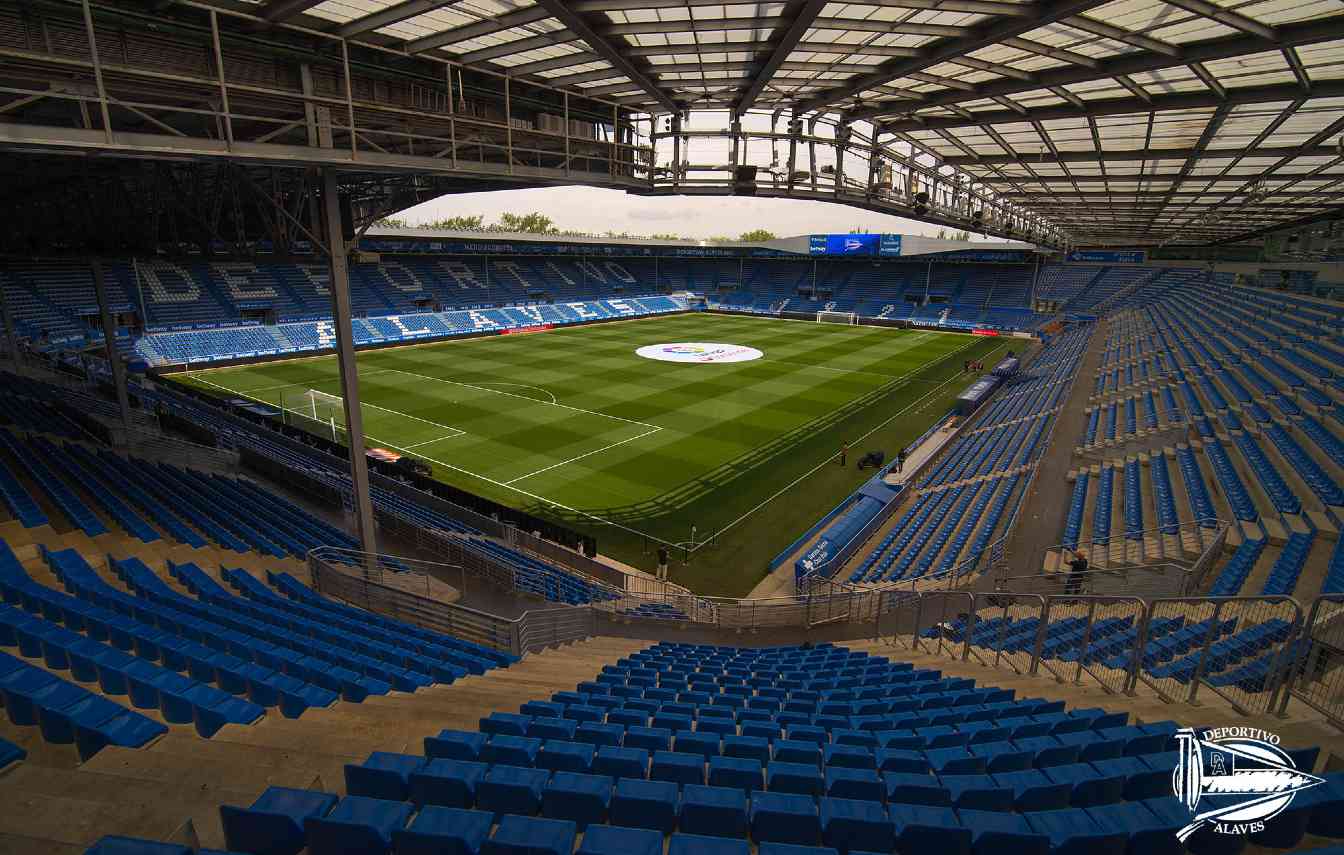
The club firmly rejects the accusations, emphasizing that the murals are part of its heritage and collective memory. The statement highlights that the artworks depict characters, scenes, and groups that have supported the club for over 100 years, forming an element of the local community’s identity, and that they were created with the approval of the city — the owner of the stadium.
At the same time, the club has already removed all direct references to Iraultza 1921, attempting to demonstrate goodwill and avoid the harshest consequences. However, the Commission deemed the club’s actions insufficient, and the situation was further aggravated by the appearance of a direct reference to an Ertzaintza coordinator on one of the murals — something considered beyond acceptable limits. This element reportedly triggered the decision to impose a much harsher sanction than previous financial penalties.
Alavés also argues that the murals are located on a stadium owned by the city, meaning any intervention is not within the club’s competence. The Commission rejected this argument, reminding that as the user and organizer of events, the club is responsible for ensuring the facility complies with the law. One year ago, Alavés extended its usage agreement for Estadio de Mendizorrotza until 2029, which further strengthens its legal responsibility.
Iraultza 1921’s response
The supporters’ group — identified by the Commission as the source of the problem — also decided to take a symbolic step back. In an official statement, it announced that it had removed its insignia from all murals, calling it an act of responsibility toward alavesismo.
The group also published before and after
photos of the modifications. At the same time, its members declared that their name and colors will return to Mendi,
highlighting their long-standing ties to the stadium.
A long history of disputes and sanctions
The conflict did not appear suddenly. For more than a decade, Alavés has been repeatedly threatened with sanctions related to the murals — around thirty in total. Until now, these ended with fines, but the latest materials collected by the Ertzaintza — including photographic documentation and descriptions of remedial measures deemed insufficient
— pushed the Commission to take this radical step. In the past, stadium closures for similar reasons were rare — making the situation at Estadio de Mendizorrotza unprecedented and exceptional.
What’s next?
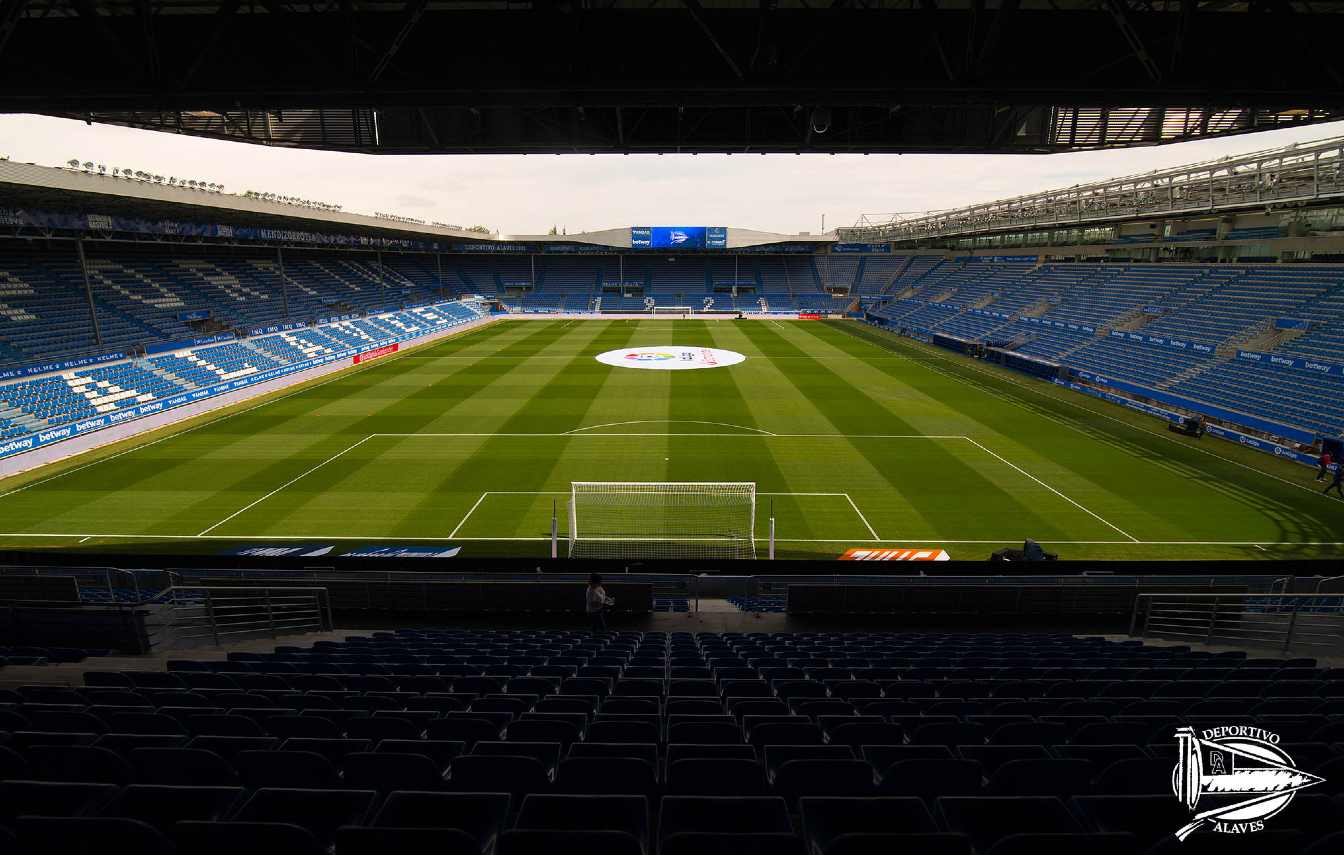
A one-month closure of the stadium stands would hit Alavés both sportingly and financially. The club would have to play several games behind closed doors, including the derby against Real Sociedad scheduled for 6 December, resulting in the loss of ticket and matchday revenue, dissatisfaction among season-ticket holders unable to enter the stadium, potential compensation claims, and the loss of fan support in key moments of the season. For a team whose strength heavily depends on the Mendizorrotza atmosphere, this would be a major blow.
The club has announced that it will file formal appeals. The final decision will be made by the Basque Government’s Department of Games and Shows. If the ruling is unfavorable, Alavés may appeal to an administrative court.
Advertisement