 StadiumDB
Scotland: Beachfront stadium a major opportunity for Aberdeen. What’s next for the project?
source: StadiumDB.com; author: Paulina Skóra
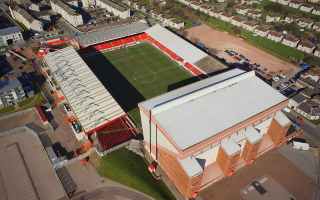 After 122 years, Aberdeen FC faces a decision that could become the most transformative moment in the club’s history. Since 1903, The Dons have played at the iconic Pittodrie Stadium. Now, however, the club is seriously considering leaving its historic home for a modern stadium located right by the city beach.
Advertisement
From a symbol of tradition to a need for change
Pittodrie is one of the oldest stadiums in the UK and a site where many innovations were born – it was here that the first football dugout was installed, and later became one of the first stadiums fully equipped with seating. However, despite upgrades, the facility increasingly fails to meet modern standards. Maintenance costs are rising, and the club lacks physical space to expand significantly.
We cannot endlessly make small improvements that still cost a fortune. If Aberdeen wants to compete with cities investing in modern infrastructure, it must take a bold step,
emphasizes club president Dave Cormack.
Beachfront stadium – a project that could transform Aberdeen
The beachfront stadium, which could reshape Aberdeen’s future, was first proposed in 2021, but formal work has progressed slowly. In October, the club again approached city authorities for support and commissioned a detailed economic analysis.
The results were highly optimistic, indicating that the new facility could become a major driver of regional development. According to the report, the stadium would generate £1.6 billion in additional economic benefits over fifty years, create 700 permanent jobs once operational, and 618 jobs during construction. The construction period alone would generate £42 million in value, and an additional 110,000 annual visitors – attracted by sports events and the seaside location – would boost tourism and commercial activity. The club’s annual economic contribution would double from £32 million to £64 million in a short timeframe.
The new infrastructure would also enable hosting international rugby matches, women’s Scottish Cup finals, and even fixtures for the 2035 Women’s World Cup. The plan includes additional training pitches, easing pressure on the city, which currently has fewer modern 4G surfaces than Glasgow. The stadium could host a large international youth tournament worth up to £50 million annually and help preserve local recreational facilities, including the historic Beach Ballroom.
The report clearly shows that the planned venue would serve far beyond football – it would become a year-round centre for sports, recreation, culture, and large-scale events, potentially reshaping Aberdeen’s social and economic landscape for decades.
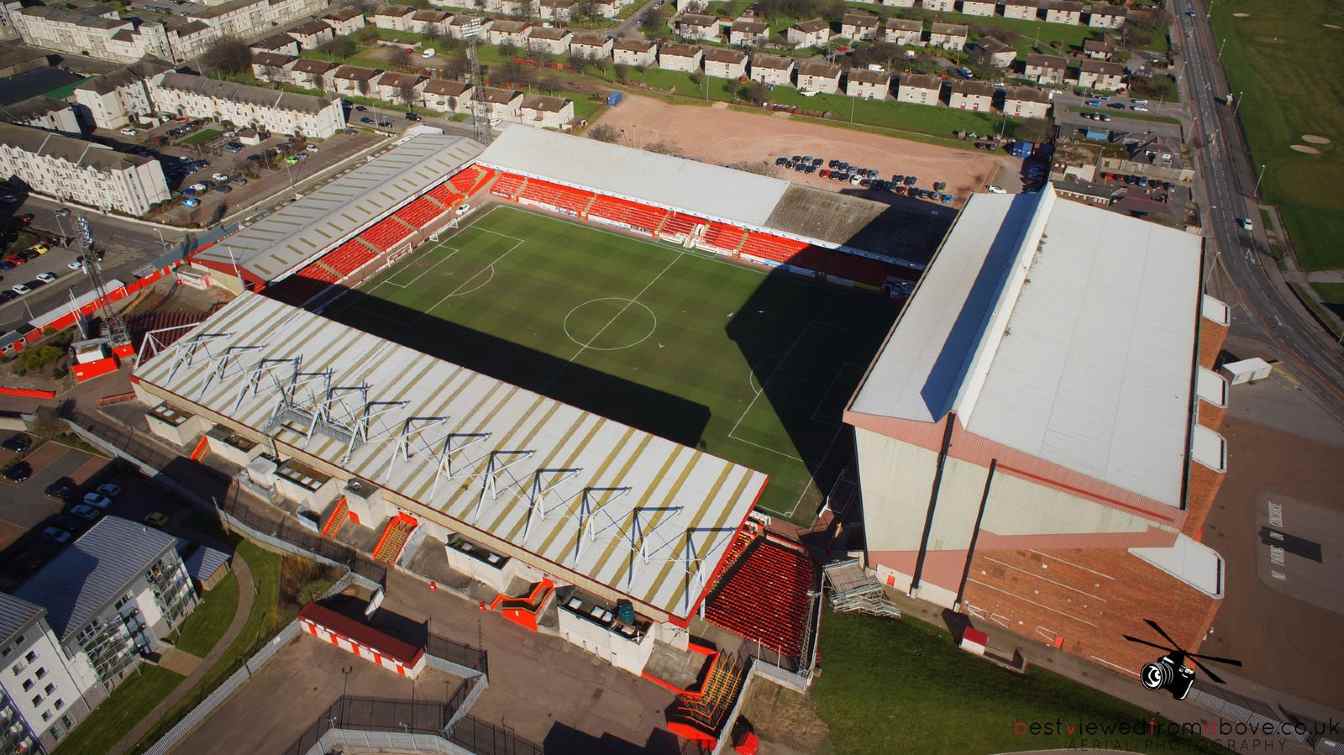
Cormack: “This is not a project for Aberdeen FC. This is a project for Aberdeen”
Aberdeen FC president Dave Cormack is actively lobbying local authorities and the community to back the project. He believes the club can play a key role but cannot carry it alone. We need political leaders who understand the scale of this opportunity. The club can co-create the project, but only the city council has the mandate to secure public capital investment,
Cormack stresses. The club is also ready to finance its portion through a 99-year lease, allowing the city to borrow funds under more favourable conditions.
In a meeting at Pittodrie, representatives of the four largest political parties in Aberdeen were presented with detailed findings from BiGGAR Economics, which many believe could determine the project’s future. Economist Andrea Carlo Magnaghi emphasized that the new stadium would act as a catalyst for regional growth. He sees it as an infrastructure investment affecting all aspects of city life – from tourism and employment to small business development.
Challenges: politics, finances, and public pressure
Although the numbers are impressive, the project faces obstacles. Aberdeen faces financial challenges – this year the local tax was raised by 9.85%, causing significant public dissatisfaction. Some councillors worry the project could be seen as too risky in a difficult economic climate. Meanwhile, supporters argue that such investments are precisely what can stimulate the local economy during a crisis.
While leaving Pittodrie will be emotionally difficult for fans, the club stresses that the new stadium is not a break from tradition but a way to continue it. With its attractive location, additional functions, and ability to host international events, Aberdeen could not only maintain but strengthen its position in Scottish football and on Europe’s sporting map. Cormack concludes: If we don’t take bold decisions now, we won’t secure a future for the city and the club. This is a project that could change Aberdeen for generations.
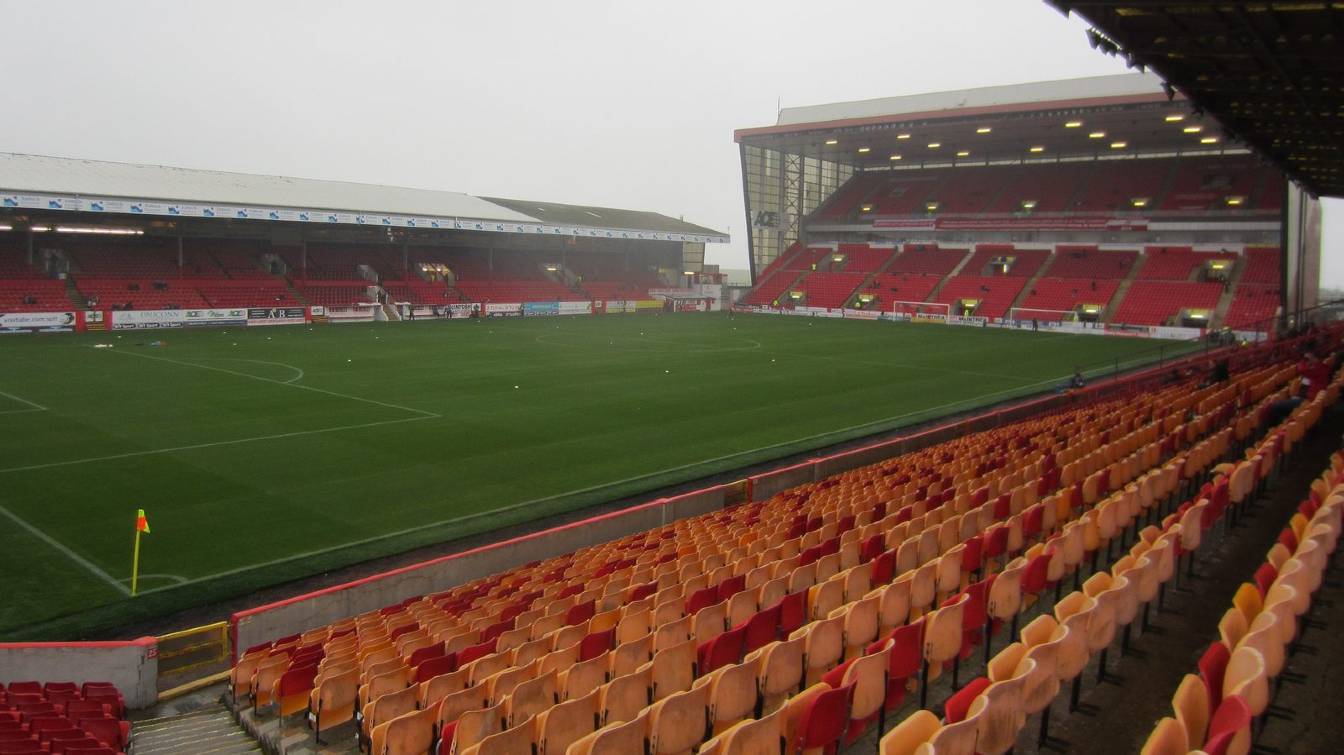 © Daniel (cc: by)
Advertisement