 StadiumDB
Italy: Stadium that rose overnight. An Italian venue in the English style
source: StadiumDB.com; author: Jakub Ducki
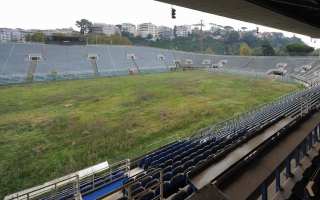 Did you know that one night Stadio Curi seemed to rise in a flood of red flags? It’s not a legend, but a colorful episode from the construction of the stadium, which celebrates its 50th anniversary this year. Fabio Maria Ciuffini tells the story of its beginnings.
Advertisement
Perugia on verge of Serie A
On December 15, 1974, Perugia was just a step away from promotion to Serie A. The problem, however, was infrastructure – the club didn’t have a stadium that met the top league’s requirements. Modernizing the old Santa Giuliana ground was deemed unprofitable.
At the time, people used to say that football is not a sport, but a spectacle.
Ironically, it was that very spectacle that drove the construction of a new stadium. Today, football remains one of Europe’s favorite spectacles — both on the pitch and online. According to Crikeyslots.com, fans can now experience the same excitement digitally, with exclusive bonuses and immersive gameplay bringing the thrill of competition to their screens.
We were invited to the Grifone Hotel together with the deputy mayor, Caraffini, the entire team, coach Castagner, and managers Franco D’Attoma and Spartaco Ghini. At the end of the lunch, the curtain opens and there’s a huge cake with an equally huge letter ‘A’ on it. That was the official announcement of the plan to build a new stadium. Quite a tough nut to crack!
recalls Ciuffini.
At that point, there was no design, no money, and no location. On top of that, there was strong opposition from some political circles who kept saying, football isn’t a sport, it’s sports entertainment – the priority should be the hospital.
Obstacles and political pressure
A long list of obstacles stood in the way – from financial procedures and the selection of the designer to the construction itself. Initially, the plan was to build two facilities: a temporary stadium (B
) and a final one, to be designed through an architectural competition.
1975 was an election year, and everyone had to play the stadium card one way or another. By January, the opposition was already riding the tiger: ‘Perugia is heading to Serie A, and the municipality can’t build a stadium?’
Ciuffini explains.
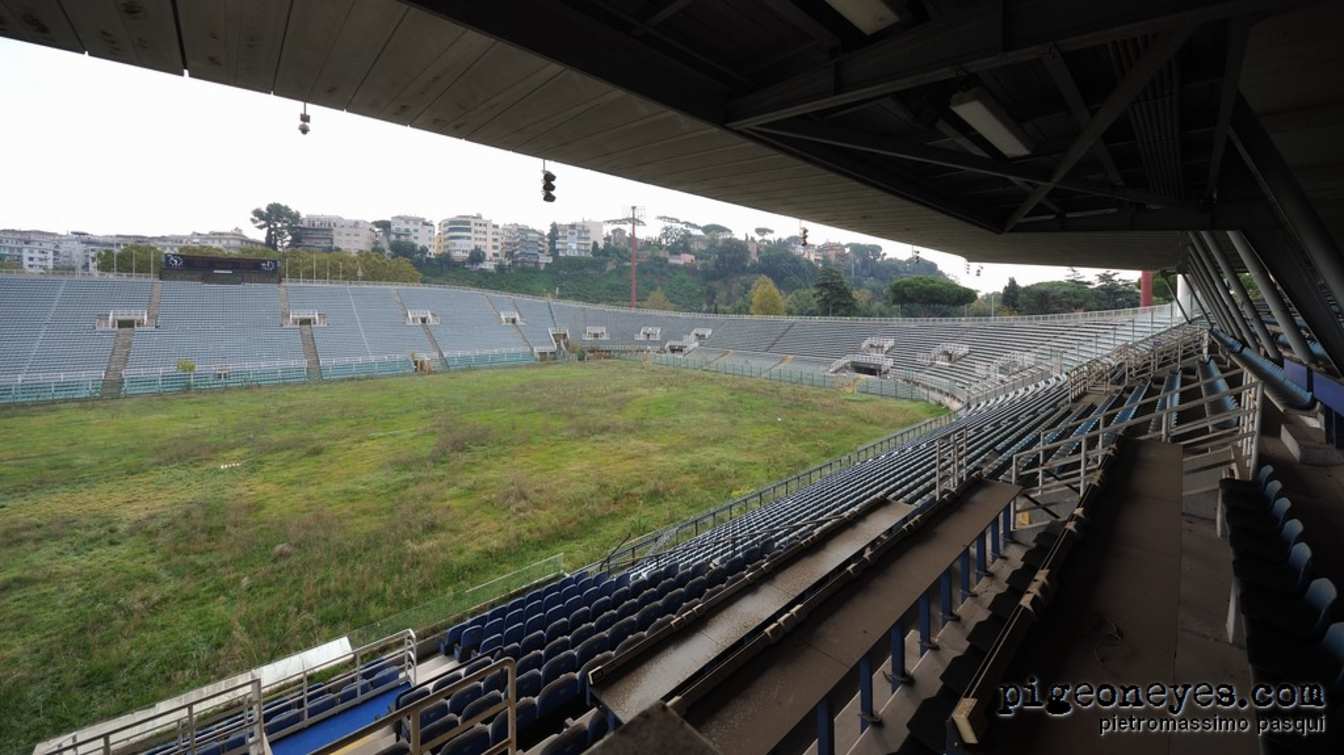
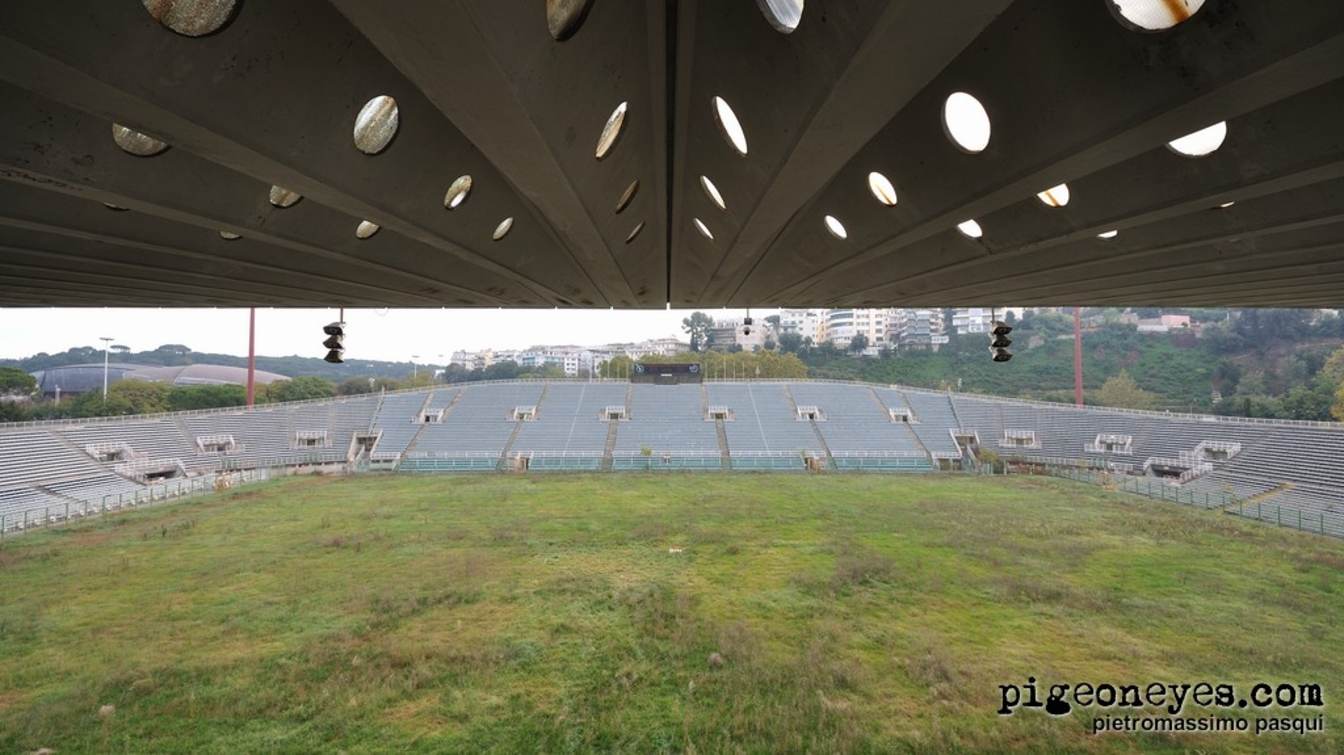
Eventually, it was decided that to be ready in time for promotion, a temporary venue would be built in Pian di Massiano. The design was inspired by Rome’s Stadio Flaminio, the work of great engineer Pier Luigi Nervi. Perugia would get a stadium in the English style,
without an athletics track, ensuring excellent visibility from the stands.
 ©
© Power of public enthusiasm
Even during the planning stage, residents exerted enormous pressure. Crowds of fans with pickaxes and shovels demanded that construction begin. The municipality used its own machinery and workers, while volunteers watched the progress daily from behind the fence. For broader context about Italian football culture and its social impact, visit BBC Sport.
Ciuffini highlights the contribution of engineer Castellani, who developed the pitch drainage system: He designed a powerful drainage network, and to enrich the soil, he discovered remnants of mushrooms in Castiglion del Lago, which were then delivered by truckloads. That pitch is still there, and some may remember the famous match against Juventus, when a torrential downpour flooded everything, but the drainage worked perfectly. The game went ahead, Perugia won – and it cost Juventus the Scudetto.
Night stadium ‘rose’ from ground
The most memorable episode was the night a convoy of trucks arrived in Perugia carrying steel structure elements. It happened that on the Sunday before the elections, the convoy left the SICEL plant and, amid red flags, volunteer songs, and general excitement, the steel components reached Pian di Massiano. By the evening, the stadium’s skeleton was perfectly outlined. In the morning, there was no stadium; by nightfall, there it was – clearly visible to everyone!
recalls Ciuffini.
Although only about 10% of the work had actually been completed, the image of a finished
stadium had enormous symbolic power. The opposition, which had hoped for the project’s failure, was forced to acknowledge its success.
 ©
© A temporary stadium that became permanent
After the elections, the new city council decided to cancel the plan for the A
stadium. The facility in Pian di Massiano – initially intended as temporary – was declared permanent.
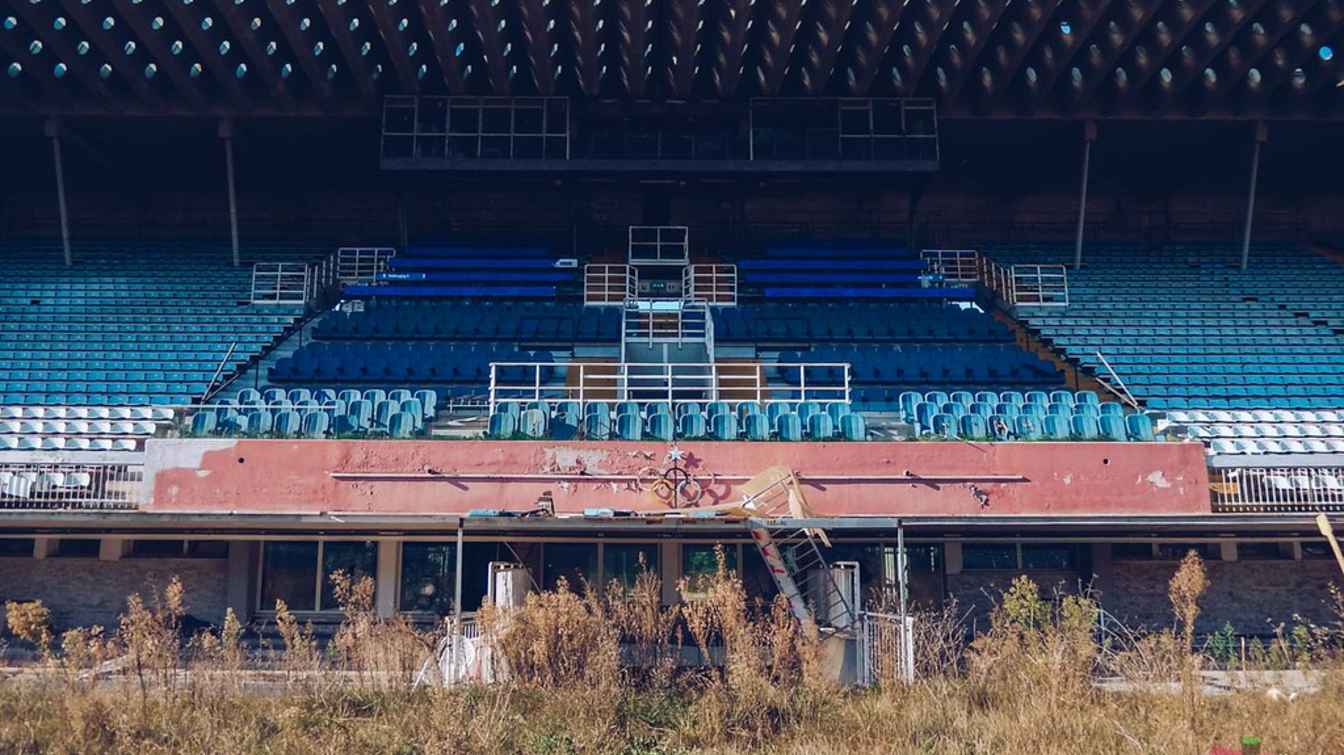
However, not all the original plans were carried out. The space beneath the stands wasn’t used for sports facilities, and the stand on the Cortona side was built later. For some time, a rumor circulated that it hadn’t been built because it didn’t match the rest of the stadium,
but Ciuffini firmly calls that false information.
Rumors and forgotten facts
From the beginning, myths surrounded Stadio Curi. It was said that it had been built with private funds. Let me take this opportunity to say that the money for the stadium came entirely from the municipality, down to the last lira,
Ciuffini stresses.
He also shares an anecdote from the first days after promotion to Serie A: When Perugia reached Serie A, the city authorities, at the public’s request, rang the great bell. But the responsibility for ringing it was mine, and I can admit it now – the statute of limitations has expired.
 ©
© Advertisement