 StadiumDB
England: The dream of New Trafford is still alive – but the club faces two major obstacles
source: StadiumDB.com; author: Paulina Skóra
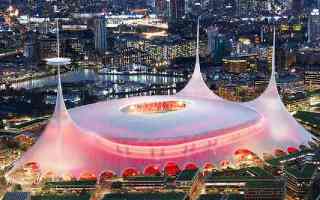 Manchester United’s vision for a state-of-the-art, 21st-century stadium remains on the table — but key obstacles continue to block progress. According to BBC, while conceptual work is ongoing, no binding decisions have yet been made.
Advertisement
Land and money remain the biggest hurdles
Lord Sebastian Coe, who led Sir Jim Ratcliffe’s task force recommending a new stadium as the best solution for the club, now chairs the broader Old Trafford Regeneration Project. The plan includes not just a new stadium, but also housing developments, transport improvements, and modern commercial spaces aimed at revitalizing the surrounding area.
The trickiest issue is still acquiring the land adjacent to Old Trafford where the club intends to build. Alternative designs that don’t require extra land exist, but United’s leadership is keen to reach an agreement with current landowners. Chief operating officer Collette Roche remains confident a deal will be struck. Until then, the architectural project of New Trafford Stadium can’t be finalized, nor can a planning application be submitted.
Financing is the other major challenge. Preliminary estimates put the cost around £2 billion, though large-scale projects of this type often exceed initial budgets. While Ratcliffe has already funded Carrington’s training center upgrade at around £50 million, the Glazer family — United’s principal owners — does not plan to contribute to the new stadium. The club is already carrying roughly £1 billion in debt from previous loans, transfer commitments, and operating costs. Additional borrowing would be risky amid high global interest rates.
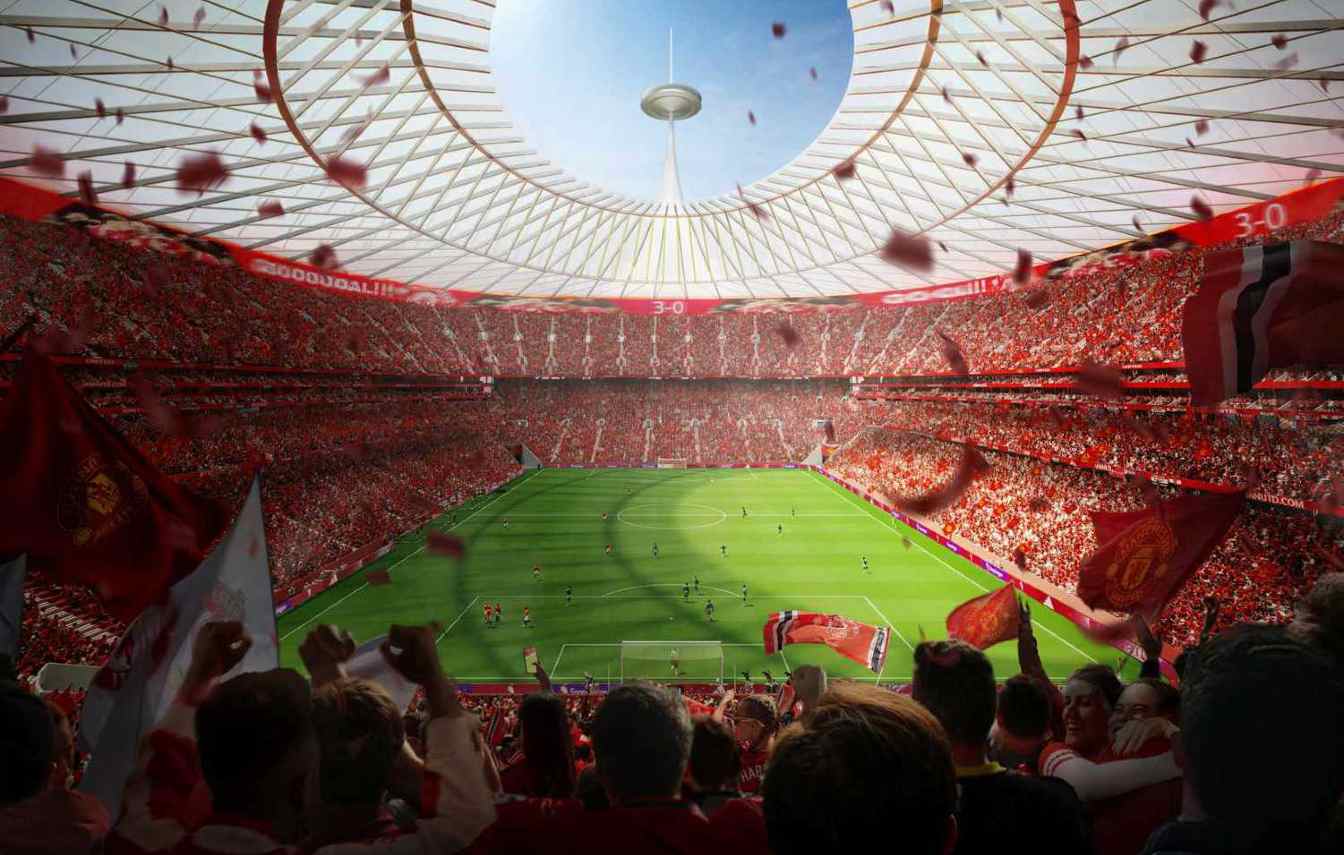
Potential funding sources
The most likely scenario involves creating a separate company to formally own the stadium — at least until the debt is repaid or refinanced. Funding could come from various sources: equity sales, bank loans, owner loans, external investors, public support, or commercial naming rights.
In theory, this model separates the club from the stadium. The assumption is that, with a 100,000-seat capacity and extensive business zones, Manchester United would generate even higher revenues than now. This would help repay the investment — though the precise interest rates on the funding are still under negotiation. Filling the stadium and selling premium corporate packages — with recently suggested prices in the thousands of pounds — also depends on having a strong team, which in turn requires significant investment with no guaranteed success.
Industry analysts estimate stadium naming rights could bring in £40–50 million per year. One potential partner mentioned is Qualcomm, owner of the Snapdragon brand and already United’s shirt sponsor. Qualcomm’s marketing chief, Don McGuire, said Old Trafford should always remain Old Trafford, but a subtle naming sponsorship, such as powered by
or at,
could be possible. If such a contract ran for at least 10 years, it could be worth £400–500 million, significantly aiding the stadium’s financing.
Advertisement