 StadiumDB
Serbia: After months of rejections, approval granted for national stadium in Belgrade
source: StadiumDB.com; author: Jakub Ducki
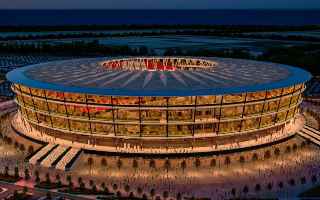 Construction of National Stadium in Serbia’s Surčin has become one of the most debated investment projects in recent years. Repeated building permit applications, rising costs, and political promises have turned the venture into a source of numerous controversies.
Advertisement
Difficult road to building permit
The Ministry of Finance has already submitted several applications for a building permit for National Football Stadium. The first one, in July, was rejected due to formal deficiencies, as was the following application in mid-August. Only on September 5 was a so-called harmonized
application submitted, which, after the documentation was completed, was approved.
The previous refusals concerned, among other things, the need to list all complementary elements in the technical documentation and the lack of complete data on connections to the sewage, power, and water networks.
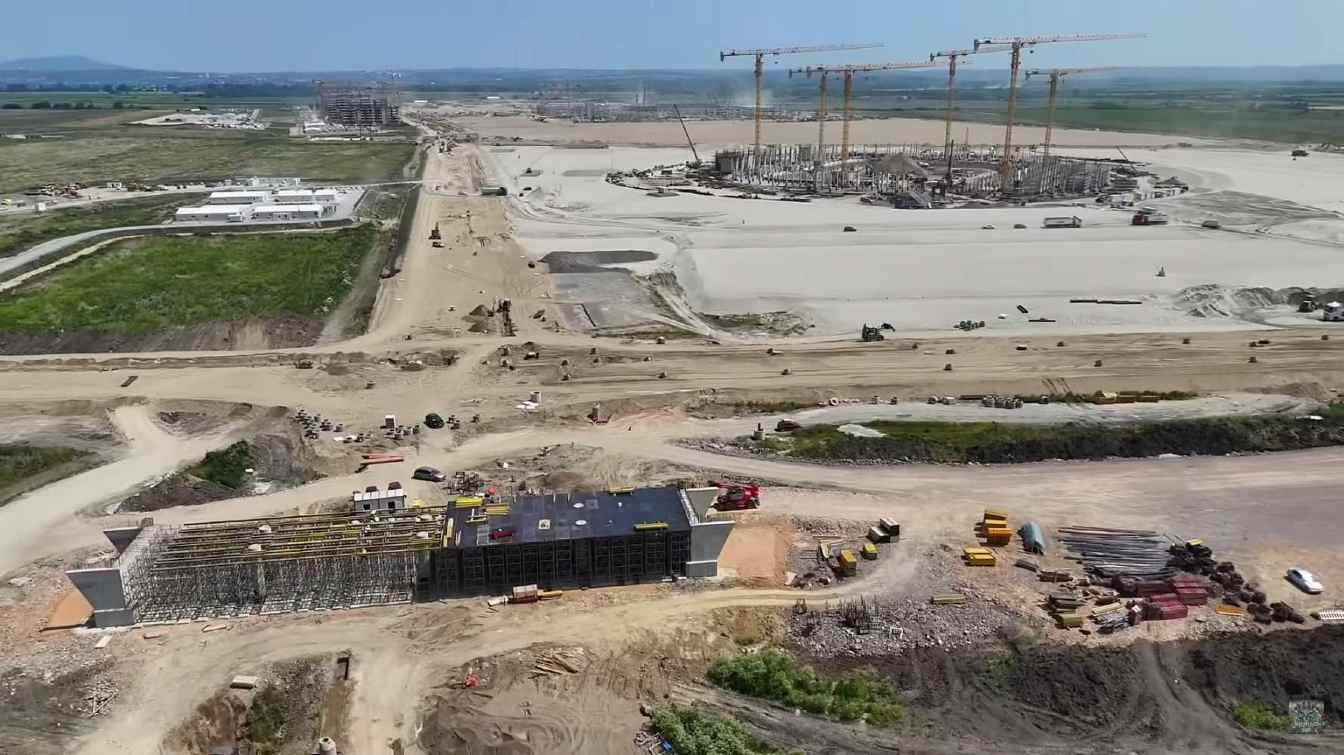
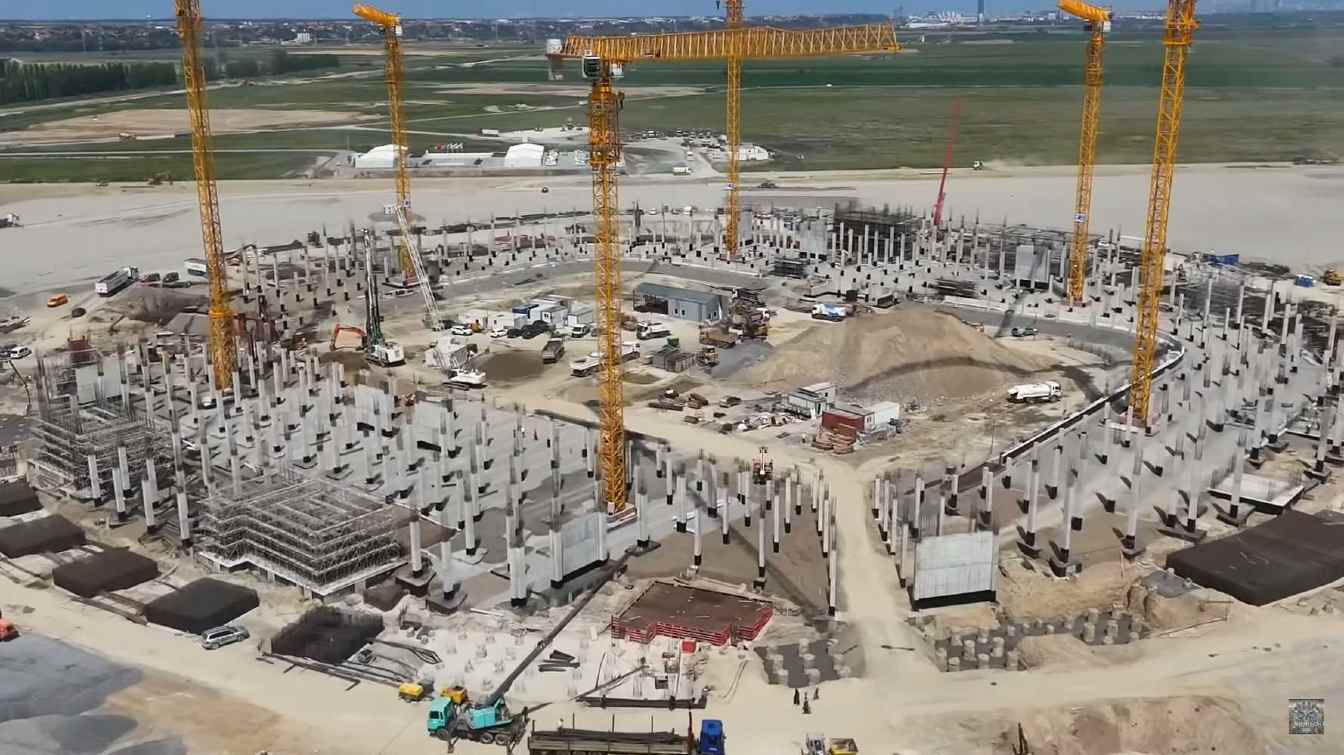
At the same time, media revealed that part of the stadium’s above-ground structure was being built earlier, even though the permit only covered preparatory works: earthworks, piles, the foundation slab, and underground installations. Only after the intervention of the Ministry of Construction did the investor – the Ministry of Finance – supplement the documentation, making it possible to issue the permit for the next stage of work.
Project and assumptions
Nacionalni Stadion is being built in the suburban municipality of Surčin, on a 32-hectare site. According to the plans, the venue will seat 52,000 spectators, rise to 51.5 meters in height, and have nine levels.
The architectural design was prepared by Spanish studio Fenwick Iribarren, known for its involvement in stadiums built for the 2022 World Cup in Qatar. The documentation was later adapted to Serbian regulations by Belgrade’s Mašinoprojekt Kopring. The main contractor is China’s Power Construction Corporation of China.
The stadium will feature a distinctive circular façade made up of four rings held by diagonal tension rods, entirely covered with greenery. Authorities emphasize it will be unique on a global scale. Inside, there will be cafés, restaurants, a hotel, and leisure areas, designed to keep the venue active year-round.
Initially, the cost of construction was estimated at about €560 million, excluding surrounding infrastructure. Over time, the forecast rose to €960 million, including roads, sewage, and utilities.
Finance Minister Siniša Mali, however, claims the actual price is €464 million plus VAT. The Fiscal Council – an independent supervisory body – stands by its higher estimate, stressing it includes the full scope of the investment. Either way, the project is among the most expensive stadiums in Europe.
Arguments from authorities
President Aleksandar Vučić has from the beginning described the project as the fulfillment of a dream.
In his view, the stadium will be one of the most beautiful in Europe and a symbol of Serbia’s development. We prepared everything to preserve peace and stability, open it in two and a half years, and then you will win,
he said at the groundbreaking in May 2024.
Vučić also stressed the venue would be built according to the highest environmental standards. To promote EXPO 2027, with which the investment is linked, the government appointed well-known figures as ambassadors – including Usain Bolt and Jackie Chan. Finance Minister Siniša Mali adds that the investment is an anchor project,
stimulating the private sector and bringing both direct and indirect benefits to the economy.
Voices of critics
Criticism, however, has been strong. The opposition argues Serbia is taking on excessive debt and that the stadium is simply a transfer of public money into private pockets.
Mahmut Bušatlija, an architect and foreign investment consultant, believes the venue will never pay off. The National Stadium will not play any role in our society, especially in football, since for the last 30 years we have shown nothing in this field,
he told BBC Serbian.
Aleksandar Buzije of Oxford University Business School notes that large stadiums require government subsidies, and if they cost nearly a billion euros, one can imagine the maintenance costs.
Experts point to examples such as Wembley, Puskás Aréna, and Romania’s National Arena, all of which generate losses.
Formal and environmental concerns
Additional controversies stem from how the investment is carried out. The RERI organization filed a lawsuit against the finance minister, accusing him of conducting works without a full building permit and without a proper environmental impact assessment.
Activists from the Belgrade Remains
initiative warn that building in the protected water zone of Belgrade may endanger the city’s drinking water supply.
Advertisement